
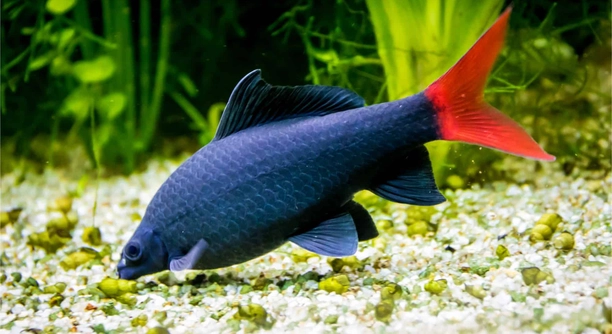
Rainbow sharks are popular aquarium fish known for their vibrant colors and active behavior. Many people enjoy keeping them as pets but don’t always know the best ways to care for them. Understanding common mistakes can help ensure your rainbow shark stays healthy and happy.
Avoiding overcrowding, poor water quality, and improper feeding are critical to the well-being of rainbow sharks. These fish require specific tank conditions and a balanced diet to thrive and prevent stress or illness.
Knowing what to avoid will help you create a better environment for your fish. This guide highlights important tips to keep your rainbow shark comfortable and healthy.
Overcrowding the Tank
Keeping too many fish in one tank can cause serious problems for your rainbow shark. These fish need space to swim freely and establish territories. When the tank is overcrowded, stress levels rise, and fish become more vulnerable to disease. Water quality also deteriorates faster because of the increased waste, which can harm all the inhabitants. It’s important to follow recommended tank sizes and stocking limits. A tank of at least 30 gallons is suggested for one rainbow shark. Adding more fish requires a bigger tank and proper filtration. Giving your fish enough room helps them display natural behavior and reduces aggressive interactions. Observing how your fish act can also help you decide if the tank is too crowded. Signs like hiding constantly or chasing other fish indicate that space might be an issue.
Overcrowding disrupts the balance of the aquarium environment and negatively impacts fish health.
Proper tank size and careful stocking help rainbow sharks thrive and stay peaceful with other fish.
Ignoring Water Quality
Maintaining clean, stable water is essential for rainbow sharks. These fish are sensitive to poor water conditions, which can cause stress and illness. Water parameters such as pH, ammonia, nitrite, and nitrate levels must be checked regularly. Sudden changes or spikes can weaken your fish’s immune system. Performing regular water changes and using a reliable filtration system keeps the tank environment healthy. Avoid overfeeding, as leftover food decomposes and pollutes the water. Monitoring temperature is also important since rainbow sharks prefer warmer water between 72 and 79°F. Using test kits and keeping a maintenance schedule will prevent water quality issues. Many problems with fish health are linked to neglecting water care. Making water quality a priority improves the lifespan and behavior of your rainbow shark. Taking these steps will ensure a stable, safe habitat that supports your fish’s well-being over time.
Feeding Inappropriate Foods
Rainbow sharks need a balanced diet that suits their omnivorous nature. Feeding them only flakes or human food can lead to health issues.
It’s important to provide a mix of high-quality sinking pellets, live or frozen foods like bloodworms, and occasional vegetable matter. This variety ensures they get the nutrients necessary for growth and energy. Overfeeding or feeding fatty foods can cause obesity and water pollution, so portion control matters. Avoid feeding foods that float since rainbow sharks prefer to eat near the bottom of the tank.
Keeping their diet balanced supports their vibrant colors and active behavior. Feeding the right foods helps avoid digestive problems and promotes overall fish health.
Neglecting Tank Decorations and Hiding Spots
Rainbow sharks are territorial and need places to hide and explore to feel secure. Bare tanks can make them stressed and aggressive toward other fish.
Adding caves, plants, and driftwood creates a natural environment and reduces stress. These decorations help your fish establish territories without constant fighting. Hiding spots provide a safe retreat during rest or if they feel threatened. Smooth surfaces and sturdy plants prevent injuries and tank damage. It’s best to avoid sharp objects that could harm their fins. Arranging the tank with enough open space for swimming and hiding places creates balance. Proper decoration improves behavior and helps maintain peace among tank mates. A well-planned habitat encourages your rainbow shark to thrive and show its best colors.
Ignoring Compatibility with Other Fish
Rainbow sharks can be aggressive, especially in small tanks. Choosing peaceful tank mates helps reduce conflicts.
Avoid keeping them with slow or long-finned fish. Compatible species include fast, mid-to-bottom dwellers that can handle the shark’s active nature.
Skipping Regular Tank Maintenance
Consistent cleaning and water changes are vital to prevent waste buildup and maintain stable water conditions. Neglecting maintenance leads to harmful ammonia and nitrate levels, which can stress or kill your fish.
Regular care ensures a healthy environment where your rainbow shark can live longer and remain active.
Overlooking Disease Symptoms
Pay attention to changes in behavior or appearance. Early signs like faded colors, clamped fins, or erratic swimming can indicate illness and require prompt action.
FAQ
How often should I feed my rainbow shark?
Feeding your rainbow shark once or twice a day is enough. Offer only the amount they can eat in a few minutes to avoid leftover food. Overfeeding causes water pollution and health problems, so keeping portions controlled is important for their well-being.
What tank size is ideal for a rainbow shark?
A minimum of 30 gallons is recommended for one rainbow shark. They need enough space to swim and establish territory. Larger tanks are better if you want to keep more than one or add other fish. Proper tank size reduces aggression and stress.
Can rainbow sharks live with other fish?
Yes, but tank mates must be chosen carefully. Avoid slow or long-finned fish since rainbow sharks may nip at them. Fast-moving, mid-level or bottom-dwelling fish that can handle active tank mates usually work well. Monitor interactions to ensure peace.
What water parameters do rainbow sharks need?
They prefer a temperature between 72 and 79°F, a pH of 6.5 to 7.5, and low ammonia and nitrite levels. Regular testing helps maintain these conditions. Stable water quality reduces stress and prevents diseases.
How can I tell if my rainbow shark is stressed?
Signs of stress include hiding more than usual, loss of color, and erratic swimming. Stress often results from poor water quality, overcrowding, or aggression. Identifying and fixing the cause quickly helps your fish recover.
What should I do if my rainbow shark gets sick?
Isolate the fish if possible and check water quality first. Many illnesses come from poor tank conditions. Consult a fish health guide or vet for appropriate treatment. Acting early increases the chance of recovery.
Are rainbow sharks aggressive?
They can be territorial, especially in small tanks. Providing enough space and hiding spots helps reduce aggression. Avoid keeping multiple rainbow sharks in a small tank unless it is large enough to prevent fighting.
How often should I clean the tank?
Partial water changes of 20-30% weekly are best. Cleaning the substrate and filter regularly prevents buildup of harmful substances. Consistent maintenance keeps the environment safe and stable for your fish.
Can rainbow sharks live without hiding spots?
Hiding spots are important for their comfort and security. Without them, rainbow sharks may become stressed and aggressive. Adding caves, plants, or decorations gives them places to retreat and feel safe.
What do rainbow sharks eat besides pellets?
They enjoy live or frozen foods like bloodworms, brine shrimp, and daphnia. Vegetables like blanched zucchini or spinach can also be offered occasionally. Variety in diet helps keep them healthy and active.
Taking good care of a rainbow shark means understanding its needs and avoiding common mistakes. These fish are beautiful and active but require a proper environment to thrive. Overcrowding, poor water quality, and feeding the wrong foods can harm your fish. Giving them enough space, clean water, and a balanced diet helps them stay healthy and vibrant. Regular tank maintenance is also essential to keep conditions stable and reduce stress on your fish.
Rainbow sharks also benefit from having hiding spots and decorations in their tank. These features allow them to establish territories and feel safe, which lowers their aggression. Compatibility with other fish matters too, as rainbow sharks can be territorial. Choosing the right tank mates and monitoring their behavior helps maintain harmony in the aquarium. Paying attention to any signs of illness or stress can prevent bigger health problems. Quick action is key if something seems wrong.
Overall, caring for a rainbow shark requires commitment and attention to detail. They respond well to proper care, and their lively nature can bring enjoyment to any aquarium. Avoiding the pitfalls discussed earlier will help ensure your fish lives a long, healthy life. With patience and the right setup, your rainbow shark can thrive and brighten your tank for years to come.

Hello,
If you enjoy the content that we create, please consider saying a "Thank You!" by leaving a tip.
Every little bit helps us continue crafting quality advice that supports the health, happiness, and well-being of pets around the world, for pets of all shapes, sizes, and species.
We really appreciate the kindness and support that you show us!