
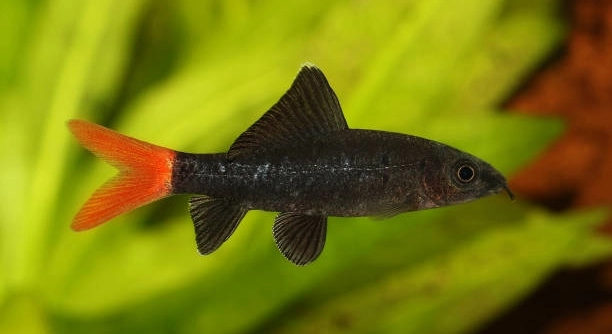
Do you ever find yourself struggling to understand what your rainbow shark really needs to stay healthy and happy in your aquarium?
Rainbow sharks require specific water conditions, a peaceful tank environment, and a diet rich in nutrients to thrive. Their semi-aggressive nature and territorial behavior also mean tank mates must be chosen carefully to avoid stress and conflict.
Learning more about these care basics will help you create a safer and more balanced home for your rainbow shark.
1. Tank Size and Setup Matter
Rainbow sharks need plenty of space to feel comfortable. A tank that is too small can cause stress and aggression. The minimum recommended tank size is 55 gallons. This gives the fish room to swim and establish territory. Decorate the tank with caves, plants, and hiding spots to create a natural environment. Use a soft substrate to protect their sensitive undersides. Strong filtration is also important to keep the water clean. Rainbow sharks are bottom dwellers, so make sure there’s open swimming space in the middle and upper levels for other fish. Keep lighting moderate and avoid overly bright setups.
A well-designed tank gives the rainbow shark enough room to swim while also creating areas to rest and hide. This helps reduce stress and keeps their behavior more balanced and calm.
Stick to one rainbow shark per tank. When two are housed together, they often fight over territory, leading to injury or stress.
2. Water Conditions Must Be Stable
Rainbow sharks are sensitive to water changes and require stable conditions to stay healthy. Use a heater to keep the temperature between 75°F and 80°F. The pH should be kept around 6.5 to 7.5, and ammonia and nitrite levels should stay at zero. Nitrate levels should remain low. Regular water changes help maintain balance. Always test your water weekly with an aquarium test kit. Sudden changes in water temperature or chemistry can cause illness or stress. Use a dechlorinator when adding new water. Avoid overfeeding, as leftover food can break down and impact water quality. Clean the filter regularly but avoid removing all beneficial bacteria.
Consistency is key. Small adjustments over time are safer than large, sudden changes. Rainbow sharks can live for up to eight years when cared for properly, and clean water plays a big part in that. Keeping your tank environment stable helps prevent illness and supports long-term health.
3. Tank Mates Must Be Chosen Carefully
Rainbow sharks are territorial, especially as they mature. Keeping them with the wrong fish can lead to aggression and stress. Avoid slow-moving or bottom-dwelling species that may enter their space and trigger chasing or fin-nipping behavior.
Choose fast swimmers that stay in the middle or upper levels of the tank. Fish like barbs, danios, and rainbowfish often work well because they are quick and usually avoid confrontations. Avoid housing them with other shark-like fish or similar-looking species, as this can increase territorial aggression. It’s best to avoid pairing them with other semi-aggressive species unless you have a large tank and plenty of hiding spaces. Adding tank mates while the rainbow shark is still young often helps ease future aggression, but this is not guaranteed.
Rainbow sharks should not be kept with species like cory catfish, loaches, or plecos. These fish occupy the same tank level and can cause constant tension.
4. Feeding Requires Variety and Balance
Rainbow sharks are omnivores and need a mix of plant-based and protein-rich foods. Feeding only one type of food can lead to poor health or nutrient gaps. A rotating diet helps keep them active and healthy.
Pellets or sinking wafers designed for bottom feeders are a good daily base. Supplement this with high-quality frozen or live foods like bloodworms, brine shrimp, or daphnia once or twice a week. Vegetables like zucchini slices or shelled peas can also be offered occasionally. Feed them small portions once or twice daily and remove any uneaten food to maintain water quality. Overfeeding can cause bloating and lead to other health issues, so be mindful of how much they consume. Watching how they respond to feeding helps you learn their habits and spot any early signs of illness.
5. Behavior Can Shift Over Time
Young rainbow sharks are usually calm, but they often become more territorial as they grow. This change can lead to sudden aggression, especially if the tank is too small or lacks hiding spaces. Monitor behavior closely as they mature.
If you notice signs of chasing or nipping, rearranging the tank can sometimes reduce tension. Adding new decorations or shifting plants may help reset territorial boundaries and calm things down.
6. Health Issues Are Often Linked to Stress
Rainbow sharks are generally hardy, but stress makes them more likely to get sick. Poor water quality, sudden changes in temperature, or aggressive tank mates can all weaken their immune system. Common signs of illness include faded color, unusual swimming, or loss of appetite. Ich and fin rot are two of the more frequent problems. Keeping water conditions stable and feeding a balanced diet helps prevent many of these issues. Quarantine new fish before adding them to the tank to avoid spreading disease. If illness appears, act quickly with appropriate treatments and isolate the affected fish when possible.
7. Lifespan Depends on Consistent Care
Rainbow sharks can live up to eight years with proper care. Clean water, balanced food, and a peaceful tank go a long way.
FAQ
Can rainbow sharks live with other sharks?
No, rainbow sharks should not live with other shark-like fish, especially in small tanks. They are territorial and often become aggressive toward similar-shaped species. This includes red-tailed sharks, bala sharks, and albino rainbow sharks. Keeping more than one in a tank usually leads to chasing, nipping, and injury. Even in larger tanks, keeping multiple rainbow sharks is risky and rarely recommended for home aquariums. If you want a peaceful setup, it’s best to only keep one rainbow shark and avoid fish with similar body shapes or habits.
Do rainbow sharks eat algae?
Rainbow sharks may graze on algae, but they are not efficient algae eaters. They might nibble on it occasionally, but you shouldn’t rely on them to clean your tank. They prefer a diet with a balance of plant matter and protein. If you need help with algae control, consider other fish like nerite snails or certain types of shrimp, if compatible. Just remember, any new tank mate must be chosen with care due to the rainbow shark’s territorial nature.
How often should I clean the tank?
Partial water changes should be done weekly. Aim to replace about 25% of the water to keep ammonia, nitrite, and nitrate levels under control. Use a gravel vacuum to remove uneaten food and waste from the bottom of the tank. Clean the filter monthly, but don’t replace all the filter media at once—this can remove beneficial bacteria. Consistent cleaning supports stable water conditions, which is one of the most important parts of rainbow shark care.
Can rainbow sharks be kept in a community tank?
Yes, but only under certain conditions. The tank needs to be large—55 gallons or more—with plenty of space and hiding spots. Choose fast, active fish that stay in other areas of the tank. Avoid bottom dwellers and slow swimmers. Barbs, rainbowfish, and danios are better suited for sharing space with a rainbow shark. Never overcrowd the tank, as this increases stress and may trigger aggressive behavior.
Do rainbow sharks jump out of tanks?
Yes, rainbow sharks can jump, especially if startled or stressed. Make sure your tank has a secure lid or cover to prevent accidents. Sudden movements, poor water conditions, or aggressive tank mates may increase the chance of jumping. Keeping the environment calm and balanced reduces this risk.
What size do rainbow sharks grow to?
Rainbow sharks grow up to 6 inches in length. They may start small when purchased, but they grow quickly in proper conditions. Always plan your tank size with their adult size in mind. A small tank can lead to stunted growth, increased aggression, and health problems over time.
Are rainbow sharks nocturnal?
Rainbow sharks are not truly nocturnal, but they tend to be more active during low-light hours. They often explore and feed in the early morning or late evening. Providing hiding spots helps them feel secure during the day. Avoid bright lighting, which can stress them out and affect their behavior.
Can I breed rainbow sharks at home?
Breeding rainbow sharks in home aquariums is very difficult. They are egg layers, but they require specific conditions that are hard to replicate. Most rainbow sharks sold in stores are bred in controlled fish farms. If you’re interested in breeding, it’s better to research species that are easier to reproduce in home tanks.
Why is my rainbow shark hiding all the time?
This could be due to stress, poor water quality, or an uncomfortable tank setup. Hiding is normal at times, especially when they are adjusting to a new tank. However, if the behavior continues, check for aggressive tank mates, sudden changes in water parameters, or lack of hiding spaces.
Do rainbow sharks recognize their owners?
Rainbow sharks can learn to associate their owners with feeding time. While they don’t form bonds like some pets do, they may start to come out more when they see you. This behavior takes time and consistency. Feeding at the same time daily can help build trust.
Final Thoughts
Caring for a rainbow shark can be simple when you understand their needs. These fish are active, interesting, and full of personality, but they also need the right environment to stay healthy and calm. A large tank, clean water, and proper food are the basics. Without enough space or stable conditions, rainbow sharks may become stressed or aggressive. Setting up the tank properly from the beginning can help prevent many common problems. Include hiding spots, open swimming space, and a tight-fitting lid to keep them safe and secure.
One of the most important things to remember is that rainbow sharks don’t usually do well with other bottom-dwelling fish or other sharks. They are very territorial, and this behavior gets stronger as they grow older. Choosing the right tank mates—or choosing not to have any—can help you avoid stress, injuries, and constant chasing. If you plan to keep them in a community tank, it needs to be large, and the other fish should be fast and stay in the upper or middle levels of the water. Even with the right tank mates, it’s still important to watch for signs of aggression or stress and make adjustments when needed.
Consistency is key when caring for a rainbow shark. Feed them a balanced diet with both plant matter and protein. Do regular water changes and test your water weekly to keep it safe. Avoid sudden changes in temperature or pH, as these can cause health issues. Watch their behavior, especially if they suddenly start hiding, swimming oddly, or stop eating. These can be signs of stress or illness. With the right care, rainbow sharks can live for up to eight years. They’re beautiful and interesting fish, but they do require your attention and patience. By keeping things stable and providing the right setup, you give your rainbow shark a safe and healthy life.

Hello,
If you enjoy the content that we create, please consider saying a "Thank You!" by leaving a tip.
Every little bit helps us continue crafting quality advice that supports the health, happiness, and well-being of pets around the world, for pets of all shapes, sizes, and species.
We really appreciate the kindness and support that you show us!