
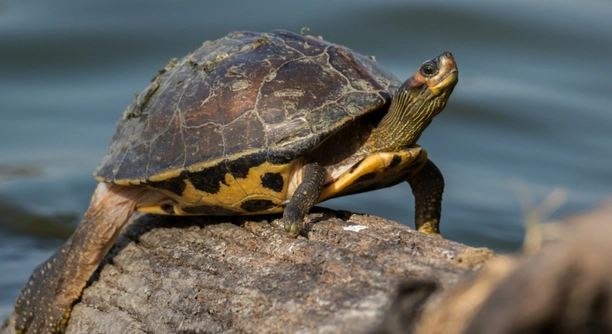
If you ever come across a lost Indian Roofed Tortoise, you might wonder what the best steps are to help it. These turtles are often found wandering, and knowing what to do next can ensure their safety and well-being.
If you find a lost Indian Roofed Tortoise, it’s important to first ensure its safety by removing it from dangerous areas. Then, contact a local wildlife rescue or animal shelter for proper assistance and guidance in returning it to its natural habitat.
Helping this turtle might seem simple, but there are a few important steps to follow. Understanding what to do can ensure the best outcome for the tortoise.
Step 1: Ensure the Tortoise’s Safety
When you find a lost Indian Roofed Tortoise, your first priority is to make sure it’s safe. These turtles can wander into dangerous situations, like busy roads or areas with predators. Gently pick it up or use a soft cloth to place it into a safer location, away from immediate threats. If the tortoise is in a public space, it’s important to remove it from harm’s way as quickly as possible. Avoid handling it too much, as stress can be harmful.
Once the tortoise is secure, it’s time to consider what to do next. Contact a wildlife rescue organization, animal shelter, or even a local vet for advice on what to do. They can help assess whether the turtle is healthy or needs medical attention.
The aim is to get the tortoise back to a safe environment. Handling it with care, giving it the time it needs to settle, and seeking professional guidance will make all the difference.
Step 2: Identify Its Needs
Understanding the needs of the tortoise can make a big difference. Some may need immediate care, while others might be fine once relocated.
Indian Roofed Tortoises can live both in the wild and in captivity, but they have specific requirements for their environment. If they’re lost, they may be stressed, hungry, or dehydrated. It’s essential to assess its condition carefully. If the tortoise seems unhealthy or injured, don’t hesitate to reach out to a vet who specializes in reptiles. They can provide necessary care and determine the next steps for its recovery.
If the tortoise appears fine but is still in an unfamiliar area, relocation to a proper environment is a priority. Make sure the area you are moving it to is safe and suitable for the species. Look for a location with access to food, water, and shelter.
There is a chance that the tortoise may have been lost or released from captivity, so finding a safe space for it to thrive is important. If possible, try to identify if it belongs to someone locally, as they may be searching for it.
Step 3: Contact Local Animal Shelters or Wildlife Rescues
Contacting local animal shelters or wildlife rescues is an essential step when you find a lost tortoise. These organizations are trained to care for animals in distress and can help guide you in making the right decisions for its future.
Wildlife rescues are usually equipped to handle lost or injured animals. They can assess whether the tortoise is healthy enough to be released back into the wild or if it needs medical treatment. Some rescues may also have specific protocols for returning reptiles to their natural habitat. They are your best option when you’re unsure how to proceed.
In many cases, contacting an expert ensures the animal is returned to an appropriate environment, where it can thrive. It also helps you avoid any legal issues regarding wildlife. Always follow their advice and avoid attempting to care for the tortoise yourself unless you have experience with reptiles.
Step 4: Avoid Handling the Tortoise Excessively
Handling the tortoise too much can cause stress, which might harm its health. Reptiles, especially those that are lost or displaced, can become easily stressed. It’s important to handle them gently and as little as possible to avoid further distress.
When moving the tortoise, use a soft cloth or gloves to protect it and to minimize direct contact. This reduces the chances of transferring harmful bacteria or stress. If the tortoise is in a dangerous area, move it to safety quickly, but avoid picking it up too often. Let it settle once it’s in a safer spot.
Keeping interactions minimal allows the tortoise to stay calm and feel secure. It’s also crucial that the tortoise isn’t exposed to too many unfamiliar environments or people. This can help it regain some sense of comfort before it’s examined or relocated by professionals.
Step 5: Avoid Feeding It Immediately
It may seem like the right thing to do, but feeding a lost tortoise right away isn’t always a good idea. Introducing food too quickly can cause digestive issues, especially if the tortoise is stressed.
Allow the tortoise time to settle and recover from any stress before offering food. This gives it the chance to calm down and focus on its environment. Only feed it once it seems to be in a safe and stable state.
Tortoises can go without food for some time, so feeding it immediately won’t be necessary. It’s important to assess the tortoise’s behavior and allow it to feel comfortable before offering any food.
Step 6: Look for a Suitable Habitat
Before returning the tortoise to the wild, check the area to see if it’s appropriate for its species. A suitable habitat should provide access to food, water, and shelter. Look for areas with grassy patches, small shrubs, or trees.
Indian Roofed Tortoises typically live in dry, open habitats with plenty of natural cover. The area should not be near busy roads or dangerous predators. Ensure that it’s far enough from human activities but still accessible enough for the tortoise to thrive. If you are unsure, consider consulting an expert.
Finding the right place is key to ensuring the tortoise’s survival once released. If it’s not safe to return it immediately, seek help from local wildlife organizations for further guidance.
FAQ
What should I do if the tortoise looks injured?
If you find that the tortoise seems injured, it’s important not to try to treat the injury yourself unless you have experience with reptiles. Instead, contact a local wildlife rescue or a veterinarian who specializes in reptiles for proper care. Injuries can be hard to spot, so having an expert evaluate the tortoise will ensure it receives the necessary treatment.
If the injury is minor, such as a scrape or a small cut, keeping the tortoise in a safe, quiet area while awaiting help is a good step. Do not expose it to more stress by moving it too much. Serious injuries, such as broken limbs or deep wounds, require immediate veterinary attention.
Can I release the tortoise in my backyard?
It’s tempting to think of your backyard as a safe place for the tortoise, but you need to be cautious. Before releasing the tortoise into your yard, ensure it is suitable for its needs. Indian Roofed Tortoises thrive in dry, open habitats with access to natural food sources. Your backyard may not offer the right conditions, especially if it’s not large enough or lacks proper vegetation.
If you’re unsure, contact wildlife rescue groups to help assess the area. In some cases, it might be best to release the tortoise in a nearby nature reserve where it can thrive in its natural habitat. Never release it in an area with busy roads or heavy human activity.
How can I tell if the tortoise is healthy?
Look for signs of physical well-being, such as clear eyes, a clean shell, and active movement. A healthy tortoise will respond to stimuli and move freely. If the tortoise is lethargic, has cloudy eyes, or shows signs of dehydration, such as sunken eyes or dry skin, it may need medical attention.
Check for any visible wounds or shell damage. A healthy shell should be smooth and free of cracks or holes. A severely damaged shell requires veterinary intervention. If you’re unsure about its health, it’s better to err on the side of caution and get professional help.
What should I feed a lost Indian Roofed Tortoise?
When feeding a tortoise, make sure to offer fresh, natural food that mimics its typical diet. Indian Roofed Tortoises are herbivores and eat a variety of plants. Offer leafy greens, such as dandelion leaves, collard greens, and clover. You can also give small amounts of fruits like berries, but avoid sugary or processed foods.
Don’t feed the tortoise immediately after you find it. Let it settle first and avoid stressing it out. Always ensure the food is clean and free of pesticides, which could harm the tortoise. You can also provide water, but don’t force the tortoise to drink.
How long can a tortoise survive without food or water?
Tortoises can survive for quite a while without food, depending on their health and environment. They can go without food for several days or even weeks, but they must have access to water. If the tortoise is dehydrated, it’s important to provide it with fresh, clean water immediately. A tortoise in the wild can survive longer without food but needs water to stay hydrated.
In captivity, however, it’s important to make sure the tortoise has both food and water. Dehydration can lead to serious health issues like kidney failure, so always check its condition carefully.
Should I try to find the tortoise’s owner?
If the tortoise seems to be a pet, especially if it’s not well adapted to the wild, it might belong to someone. It’s worth asking neighbors or posting online in local groups to see if anyone is missing a tortoise. Be cautious about assuming the tortoise is a pet; wild tortoises and pets can look similar, but they have different care needs.
If you find the tortoise’s owner, you can return it safely. If the owner cannot be found, or if the tortoise appears to be a wild animal, make sure to get help from wildlife experts who can handle its release.
Can I keep the tortoise as a pet?
While it might be tempting to adopt the tortoise, it’s essential to understand that keeping a tortoise as a pet requires a long-term commitment. Indian Roofed Tortoises can live for many years and require special care, including a controlled environment, proper diet, and regular veterinary check-ups.
Before deciding to keep the tortoise, make sure you’re prepared to meet its needs. You must also check local laws, as some regions have specific regulations regarding the care of native wildlife. If you’re unsure, it’s always a good idea to contact a professional for advice.
Final Thoughts
Finding a lost Indian Roofed Tortoise can be both surprising and concerning. These tortoises are not typically pets that roam freely, so it’s important to handle the situation with care and responsibility. The first priority is always the tortoise’s safety. Ensuring that it is out of harm’s way should be your first step. Avoid areas with heavy traffic or other risks, and gently move the tortoise to a safer space. If possible, limit your interaction with the animal to reduce stress. It’s best to leave the handling to professionals who are trained to care for reptiles.
Once the tortoise is in a safe place, the next step is to assess its health. A healthy tortoise will have clear eyes, a strong shell, and active behavior. If the tortoise appears to be injured or sick, it’s important to contact a wildlife rescue or a veterinarian who specializes in reptiles. They will have the knowledge and tools to treat any injuries or address health concerns. In some cases, the tortoise may be perfectly fine but just lost or displaced. In that case, reaching out to local wildlife organizations is key to ensuring the animal is returned to its natural habitat in a safe and appropriate manner.
In the end, your actions can make a big difference in the life of a lost tortoise. While it may seem like a small encounter, what you do next can help ensure that the tortoise is properly cared for and given the opportunity to live in its natural environment. Whether you decide to contact a professional for help or release the tortoise in a suitable habitat, always prioritize its well-being. With patience, care, and the right knowledge, you can play an important role in returning a lost tortoise to its rightful place.

Hello,
If you enjoy the content that we create, please consider saying a "Thank You!" by leaving a tip.
Every little bit helps us continue crafting quality advice that supports the health, happiness, and well-being of pets around the world, for pets of all shapes, sizes, and species.
We really appreciate the kindness and support that you show us!