
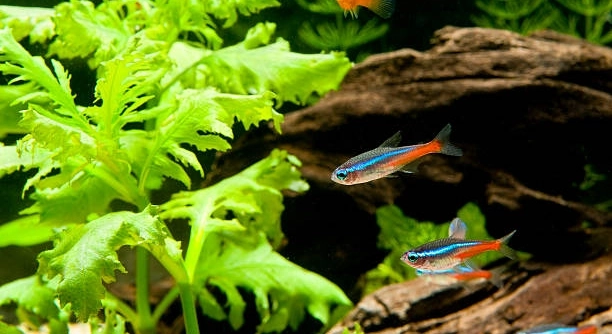
Stress Tetra are popular freshwater fish known for their bright colors and peaceful nature. Many aquarium owners enjoy keeping them but often don’t realize some important facts about their behavior and care. These details can make a big difference in how well they thrive.
Stress Tetra are sensitive to water conditions and social environment, which affects their health and stress levels. Proper tank setup, stable water parameters, and group living are essential for their well-being and longevity.
Knowing these lesser-known facts about Stress Tetra will help you create a healthier, happier tank environment and improve your fish’s overall quality of life.
Water Quality Sensitivity
Stress Tetras are very sensitive to changes in water quality. They need clean water with stable conditions to stay healthy. Sudden changes in temperature, pH, or ammonia levels can stress them out quickly. This stress weakens their immune system, making them prone to illness. Regular water changes and monitoring are essential to keep the tank environment stable. Avoid overcrowding, as too many fish can lead to waste buildup and poor water quality. Using a good filter helps maintain clear, clean water. It’s also important to cycle the tank properly before introducing Stress Tetras. This ensures beneficial bacteria can break down harmful waste. Paying attention to these details will help your fish stay vibrant and active. When water quality is poor, Stress Tetras may show signs of distress like hiding, clamped fins, or loss of color. Observing these behaviors early can help you fix problems before they worsen.
Stress Tetras need consistent water conditions to avoid stress and health problems. Keeping the tank clean is key.
Understanding water quality’s impact will improve your tank’s environment and help your Stress Tetras thrive longer.
Social Behavior and Group Dynamics
Stress Tetras are schooling fish and feel safest in groups. They usually live in shoals of six or more. Being in a group helps reduce their stress and encourages natural behavior. If kept alone or in too small a group, they can become shy or stressed. In larger groups, they show more vibrant colors and swim actively. It’s important to provide enough space for the group to move freely. They also benefit from plants and hiding spots to feel secure. However, they should not be mixed with aggressive fish that may cause stress or injury. Observing their group behavior helps you notice if one fish is being bullied or isolated. Healthy group dynamics mean your Stress Tetras will be more confident and lively in their tank.
Keeping Stress Tetras in proper groups supports their well-being and natural behavior. They thrive when comfortable with others.
Diet and Feeding Habits
Stress Tetras prefer a varied diet with both flakes and live or frozen foods. They eat small insects, larvae, and plant matter in the wild, so offering a mix helps keep them healthy. Avoid overfeeding to prevent water quality issues.
Providing a balanced diet supports their energy and color. Feeding small amounts two or three times daily mimics their natural eating patterns. Live or frozen foods like brine shrimp or daphnia are good supplements to flakes. They also enjoy some vegetable matter, so occasional blanched spinach or zucchini can be beneficial. This variety prevents nutritional deficiencies and keeps them active. Overfeeding causes leftover food to decay, harming water quality and stressing the fish.
Stress Tetras can be picky eaters at times. Offering different foods encourages healthy eating habits. Observing their preferences helps you adjust feeding routines for best results and keeps your tank cleaner.
Tank Setup and Decoration
A well-planted tank with plenty of hiding spots reduces Stress Tetras’ anxiety. They feel safer among plants, rocks, and driftwood. This setup mimics their natural environment and encourages natural behavior. Avoid overcrowding the tank to provide enough swimming space. Decorations should not have sharp edges to prevent injuries. Lighting should be moderate, as too bright can stress them. Using a dark substrate helps bring out their colors and makes them feel more secure. Regular maintenance of plants and cleaning of decorations prevents algae buildup. Providing a calm environment with gentle water flow helps reduce stress further. A thoughtfully arranged tank promotes health and longevity.
Simple changes in tank decor can improve your Stress Tetras’ comfort and reduce stress significantly. A natural, spacious setup is key.
Breeding Challenges
Breeding Stress Tetras can be tricky due to their sensitivity to water conditions. They need very clean, soft, and slightly acidic water to spawn successfully. Maintaining stable conditions is essential for eggs to develop.
Stress Tetras also require a separate breeding tank to protect the eggs and fry from other fish. Conditioning the adults with high-quality live food improves breeding success.
Common Diseases
Stress Tetras are prone to diseases like ich, fin rot, and fungal infections if stressed or kept in poor water conditions. Early detection and treatment are vital to prevent spread.
Stress Reduction Tips
Reducing sudden changes in the tank environment lowers stress. Keeping a consistent routine for feeding and maintenance helps fish feel secure and healthy.
Compatibility with Other Fish
Stress Tetras do well with peaceful, similar-sized fish. Avoid aggressive species that may cause stress or harm to them.
FAQ
How many Stress Tetras should I keep together?
Stress Tetras are schooling fish and feel best in groups of at least six. Smaller groups may cause stress and shy behavior. Keeping six or more allows them to show natural swimming patterns and display brighter colors. Make sure the tank is large enough to provide space for the group to swim comfortably without overcrowding.
What water conditions are best for Stress Tetras?
They prefer soft, slightly acidic water with a pH between 6.0 and 7.0. Temperature should stay stable between 72°F and 78°F (22°C to 26°C). Ammonia and nitrite levels must always be zero, and nitrate levels should be kept low with regular water changes. Sudden changes in temperature or pH can stress them, so stability is key.
Can Stress Tetras live with other fish?
Yes, but they do best with peaceful species of similar size. Avoid aggressive or fin-nipping fish, which can harm or stress them. Good tank mates include small rasboras, guppies, and other non-aggressive tetras. Always monitor interactions to ensure all fish get along.
What do Stress Tetras eat?
They eat a mix of flake food, small live or frozen foods like brine shrimp, daphnia, and bloodworms, and some plant-based foods. Feeding a variety helps meet their nutritional needs and keeps them healthy. Feed small amounts two to three times a day to avoid leftover food.
How often should I clean the tank?
Partial water changes of 20-30% should be done weekly to maintain water quality. Clean the substrate with a siphon to remove waste and uneaten food. Avoid deep cleaning that disrupts beneficial bacteria. Regular filter maintenance is also important but avoid cleaning it too thoroughly.
Why are my Stress Tetras hiding?
Hiding can be a sign of stress, poor water conditions, or illness. It’s normal for them to hide sometimes, especially when adjusting to a new tank or after changes. If hiding is persistent, check water quality, tank mates, and for signs of disease.
How can I tell if my Stress Tetras are stressed?
Look for clamped fins, loss of color, lethargy, or erratic swimming. Stress may also cause them to hide more or refuse food. Identifying these signs early helps prevent illness and improves their care.
Is it hard to breed Stress Tetras?
Breeding can be challenging because they need very specific water conditions and a calm environment. Separate breeding tanks and conditioning with live food improve success. Eggs and fry are sensitive, so protection from other fish is necessary.
What plants work well in a Stress Tetra tank?
Soft-leaved plants like Java fern, Anubias, and floating plants provide hiding spots and reduce stress. Live plants also help maintain water quality. Avoid sharp or rough plants that could injure the fish.
Can Stress Tetras tolerate different water hardness?
They prefer soft to moderately hard water. Very hard water can cause stress and health issues over time. Regular testing helps maintain proper hardness levels suitable for their needs.
Stress Tetras are beautiful and peaceful fish that bring life to any freshwater aquarium. Their bright colors and gentle nature make them popular among fish keepers of all levels. However, caring for them requires attention to their specific needs, especially when it comes to water quality, tank setup, and social environment. When these needs are met, Stress Tetras can live healthy and active lives, adding a calm charm to your tank.
Water quality is one of the most important factors in keeping Stress Tetras healthy. These fish are sensitive to changes in temperature, pH, and water cleanliness. Regular water testing and maintenance will help prevent stress and illness. It’s important to perform consistent water changes and avoid overcrowding to keep the tank environment stable. A well-filtered tank with stable conditions will allow Stress Tetras to thrive and show their best colors.
Providing a proper social environment is also essential for Stress Tetras. They feel most comfortable in groups of six or more, which helps reduce stress and encourages natural behavior. A tank with plenty of plants and hiding places will give them security and help lower anxiety. Choosing peaceful tank mates and avoiding aggressive fish ensures a calm atmosphere for everyone. Paying close attention to these details will help you enjoy a beautiful and healthy Stress Tetra community for years to come.

Hello,
If you enjoy the content that we create, please consider saying a "Thank You!" by leaving a tip.
Every little bit helps us continue crafting quality advice that supports the health, happiness, and well-being of pets around the world, for pets of all shapes, sizes, and species.
We really appreciate the kindness and support that you show us!