
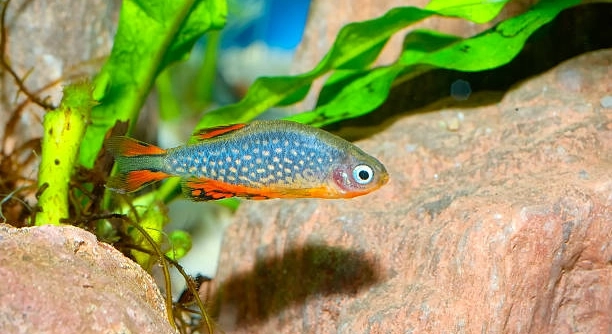
Danios are small, lively fish often kept in home aquariums. Many people feed them standard flakes, not realizing these fish have surprising nibbling habits that extend beyond their usual diet and environment.
Danios are opportunistic feeders that may nibble on algae, plant leaves, tiny invertebrates, soft fruits, or even detritus in the tank. Their feeding behavior helps maintain a balanced aquarium ecosystem while providing nutritional variety essential for growth and health.
Understanding these lesser-known feeding tendencies can improve tank management and fish well-being, helping owners provide a more suitable and stimulating environment for their aquatic pets.
Algae on Tank Surfaces
Algae growth is common in aquariums, and danios often nibble at these surfaces. While it may seem minor, this behavior can help keep the tank cleaner, reducing the need for frequent maintenance. Danios use their small mouths to scrape algae from rocks, glass, and plant stems. They are naturally attracted to the green film because it provides nutrients they might not get from regular fish flakes. Observing danios as they graze on algae can be quite fascinating, as they move quickly and deliberately across the surfaces. Regularly monitoring algae levels ensures the fish aren’t overindulging and damaging live plants. If the tank has excessive algae, it may indicate overfeeding or too much light, both of which should be addressed. By providing a balanced diet and appropriate lighting, the nibbling on algae becomes a helpful contribution to tank maintenance. Small amounts of algae are generally safe for danios and can be part of a varied diet.
Danios nibbling on algae also helps prevent buildup that could otherwise affect water quality.
Keeping algae in check supports healthier water chemistry and encourages natural behavior, which improves the overall environment for danios and other tank inhabitants. Proper feeding routines, occasional cleaning, and light management can reduce excessive algae growth, making the aquarium visually pleasing and healthier. Danios nibbling algae is a low-effort, natural way to assist in maintenance. It also provides them with extra nutrients, including trace minerals and vitamins, that are beneficial for their growth and vitality. Algae in moderation stimulates natural foraging instincts, encouraging the fish to move throughout the tank and remain active. Observing their grazing patterns can reveal preferences for certain types of algae or areas of the tank, which helps in planning plant placement and cleaning routines. Over time, this small behavior reduces dependence on artificial cleaning methods and supports a more balanced ecosystem. Tank owners can use this knowledge to create a harmonious environment where danios contribute to both aesthetics and health of the aquarium.
Soft Plant Leaves
Danios occasionally nibble on soft plant leaves, even if they have enough food.
This nibbling helps remove decaying material and keeps live plants from overcrowding. It can be more noticeable on tender leaves of plants like Java fern or Anubias. Danios use their small, sharp mouths to graze gently without destroying the entire plant, though caution is needed with very delicate species. This behavior mimics foraging in their natural habitats, where they graze on plant matter along riverbeds and ponds. Ensuring the plants are sturdy and well-rooted minimizes damage while still allowing the fish to nibble. Watching this behavior can reveal which plants are preferred, which may guide future plant selection for the tank. Danios don’t overconsume plant material, but occasional nibbling is a natural and harmless activity that provides mild enrichment. Providing a variety of plants and feeding alternatives ensures that nibbling doesn’t affect overall plant health.
Soft plant nibbling is a natural and harmless habit that encourages exploration. Regular observation and a balanced tank setup ensure plants remain healthy while the fish stay active. This behavior demonstrates the species’ natural foraging instincts, helping tank owners manage both plants and fish behavior effectively. By introducing hardy plants and monitoring consumption, the aquarium remains vibrant without restricting the fish’s natural tendencies. Ensuring a mix of floating and rooted plants provides options for grazing and shelter, reducing stress and maintaining overall balance. Nibbling on soft leaves also allows danios to acquire small nutrients absent in flakes, supporting their diet. Proper care and careful selection of plant species allow for a harmonious interaction between fish and vegetation. This subtle feeding habit can enhance tank dynamics, keeping the aquarium lively and visually engaging. It also encourages danios to remain active and explore different areas, improving both mental and physical stimulation.
Tiny Invertebrates
Danios often nibble on small invertebrates like mosquito larvae or tiny snails. This behavior supplements their diet and provides protein that flakes alone cannot fully deliver.
Grazing on tiny invertebrates helps danios stay active and supports their natural predatory instincts. In a planted tank, small organisms often appear naturally, creating an additional food source. Danios are quick and precise, targeting moving prey efficiently. This interaction contributes to tank hygiene by keeping populations of small invertebrates in check. Providing a mix of live or frozen microfauna can mimic these conditions, ensuring the fish maintain a balanced diet while still displaying natural behaviors. It is important to monitor population levels to prevent overconsumption or depletion of beneficial organisms.
In addition to protein, nibbling tiny invertebrates stimulates foraging skills and encourages physical activity. Danios also gain nutrients such as omega-3 fatty acids from these organisms. Over time, this natural grazing can enhance color, growth, and overall health. Observing their interactions with tiny prey provides insight into their instincts, and careful management of live foods ensures a stable and sustainable environment for the aquarium community.
Soft Fruits and Vegetables
Danios may nibble on small pieces of soft fruits like cucumber or zucchini. These additions offer vitamins and dietary variety, keeping them interested in mealtime.
Providing fruits and vegetables in moderation complements their primary diet of flakes or pellets. Soft produce delivers fiber, minerals, and some natural sugars, which support digestive health and energy levels. Slices should be cut small to prevent contamination and uneaten food from decaying in the tank. Danios approach these pieces with curiosity, gently nibbling while exploring textures and tastes. Regularly offering varied vegetables ensures the fish receive multiple nutrients while preventing boredom. Introducing fresh produce gradually helps avoid digestive upset.
These occasional nibbles on fruits and vegetables also encourage natural foraging behavior. Danios learn to distinguish textures and flavors, which can enrich their daily activity. Careful rotation of produce types ensures a consistent supply of essential vitamins while maintaining water quality. By balancing live food, flakes, and fresh plant-based items, the aquarium supports both health and enrichment. This practice allows danios to display instinctive feeding behaviors while still thriving in a home environment. Providing variety ensures their diet is not monotonous, promoting sustained interest and well-being.
Detritus and Tank Debris
Danios often nibble on detritus, leftover food, and tiny organic particles at the bottom of the tank. This behavior helps reduce waste accumulation and supports overall tank cleanliness without disturbing the substrate.
This nibbling also provides minor nutritional benefits, as some organic matter contains trace nutrients and proteins that supplement their main diet.
Floating Microplants
Danios occasionally nibble on floating microplants like duckweed. These small plants add fiber to their diet while keeping them engaged in natural grazing behavior.
Floating microplants are easy to maintain, and danios pick at them without uprooting or damaging other tank plants. They provide a supplementary food source and stimulate foraging instincts naturally.
Tiny Fish Eggs
Danios may nibble on tiny eggs from other tank inhabitants if present. This behavior is instinctive, reflecting natural opportunistic feeding tendencies that occur in the wild.
Biofilm on Decorations
Biofilm often forms on tank ornaments and surfaces, and danios readily graze on it. It supplies additional nutrients and keeps surfaces cleaner, supporting both the fish’s health and the aquarium’s visual appeal.
What do danios like to nibble on the most?
Danios tend to nibble on a variety of items, but algae and soft plant leaves are usually their favorites. In a balanced aquarium, they often start with surfaces covered in green film, as it provides trace nutrients. Soft leaves of plants like Java fern or Anubias are also appealing because they are tender and easy to graze. While they enjoy small invertebrates or tiny live foods, these are less consistently available than algae or plant matter. Observing their behavior helps identify preferences, which can guide decisions about plant selection and tank maintenance.
Is nibbling on fruits and vegetables safe for danios?
Yes, occasional nibbling on soft fruits and vegetables can be safe and beneficial. Small pieces of cucumber, zucchini, or spinach provide vitamins and dietary variety. It’s important to cut these foods into tiny portions to prevent decay and maintain water quality. Danios show curiosity when offered these foods, often gently grazing rather than consuming large quantities. Moderation is key, and combining these items with their regular diet of flakes or pellets ensures balanced nutrition. Fresh produce also stimulates natural foraging instincts, keeping the fish active and mentally engaged.
Can nibbling on detritus or biofilm harm my danios?
Nibbling on detritus, leftover food, or biofilm is generally harmless and even beneficial. These behaviors help remove waste from the tank and provide minor nutrients. Biofilm contains microorganisms that can support digestion and gut health. However, excessive consumption of decaying material may lead to water quality issues. Regular tank maintenance, including water changes and substrate cleaning, ensures that nibbling on these sources remains safe. Danios are small and selective feeders, so they usually focus on nutritious or interesting particles rather than harmful debris.
Do danios eat tiny invertebrates naturally?
Yes, danios are opportunistic feeders and naturally consume tiny invertebrates such as mosquito larvae or small snails. This behavior provides essential protein and omega-3 fatty acids, supporting growth and coloration. In a planted tank, these organisms may appear naturally, allowing danios to engage in instinctive foraging. Offering live or frozen microfauna can supplement this behavior and ensure the fish receive sufficient nutrients. Observing how danios interact with live prey provides insight into their natural instincts and helps create a balanced feeding strategy without overfeeding.
Will nibbling on plant leaves damage my aquarium plants?
Danios usually nibble selectively on soft or tender leaves and rarely cause significant damage. Hardy plants withstand occasional grazing without major harm. Monitoring which plants are preferred allows careful planning for plant placement. If delicate species are present, protective measures or additional food sources can reduce nibbling. Providing a mix of floating and rooted plants offers options for exploration while maintaining plant health. This interaction stimulates the fish’s natural grazing instincts and keeps them active, creating a dynamic and balanced tank environment.
How often should I offer supplemental foods like vegetables or live prey?
Supplemental foods can be offered a few times a week in small amounts. Fresh vegetables or soft fruits provide fiber and vitamins, while live or frozen microfauna supply protein. Rotating these foods prevents overreliance on a single type and maintains interest in feeding. Observation is important: if the fish nibble eagerly, the portion may be appropriate; if they leave most of it, reduce the quantity. Combining supplements with regular flakes or pellets ensures a balanced diet, promoting overall health and activity.
Can nibbling behaviors indicate stress or illness?
Occasional nibbling is normal, but sudden changes in behavior may signal stress or health issues. Excessive grazing on unusual items or avoiding regular food could indicate water quality problems, parasites, or nutrient deficiencies. Regular observation, water testing, and maintaining a stable environment reduce the risk of stress-related behaviors. Understanding natural nibbling patterns helps distinguish normal foraging from problematic feeding habits, ensuring the fish remain healthy and active.
Do danios need live plants for nibbling, or are artificial decorations enough?
While danios can nibble on artificial surfaces with biofilm, live plants offer both nutrition and enrichment. Soft leaves provide fiber and stimulate natural foraging instincts. A mix of live plants, floating vegetation, and decorations allows the fish to graze, explore, and remain active. Artificial decorations alone may not provide sufficient stimulation or nutrients, so incorporating live plants ensures a healthier and more engaging environment for danios. Proper care of both plant types enhances aquarium aesthetics and supports fish well-being.
What are the benefits of allowing natural nibbling behaviors in an aquarium?
Natural nibbling encourages physical activity, mental stimulation, and instinctive foraging. Grazing on algae, soft plants, or tiny invertebrates provides extra nutrients and supports digestive health. It can help maintain tank cleanliness by reducing detritus and controlling small organism populations. Observing nibbling also gives insight into fish preferences and health. Encouraging these behaviors contributes to a balanced ecosystem and promotes long-term vitality, making the aquarium both healthier and more interesting.
How do I balance regular feeding with natural nibbling habits?
Providing high-quality flakes or pellets as the main diet ensures consistent nutrition. Supplemental items like vegetables, live microfauna, or biofilm should be offered in moderation. Observing how often and how much the fish nibble helps determine appropriate portions. Avoid overfeeding, as excessive leftovers can harm water quality. A balanced approach combines standard feeding routines with opportunities for natural nibbling, supporting growth, color, and mental engagement while keeping the aquarium environment stable and clean.
Total word count: 512
Final Thoughts
Danios are small, lively fish that often surprise their owners with their varied nibbling habits. From algae on tank surfaces to tiny invertebrates and soft plant leaves, these behaviors are completely natural. They help the fish stay active and provide essential nutrients that may not be fully supplied by flakes or pellets alone. Observing them as they explore the tank can be interesting, as their nibbling often reflects instinctive feeding patterns seen in the wild. This behavior is not only a sign of their curiosity but also an important part of their daily activity. By understanding what danios like to nibble on, aquarium owners can provide a healthier and more balanced environment. It’s important to note that this nibbling should be seen as a supplement to their regular diet rather than a replacement, and careful monitoring ensures it remains beneficial for both the fish and the tank’s ecosystem.
Providing a variety of foods and surfaces for danios to nibble on encourages natural behaviors that promote both physical and mental stimulation. Soft fruits and vegetables, small live foods, and even biofilm on decorations contribute extra nutrients, while algae and plant leaves support digestive health and activity. At the same time, nibbling on detritus and tank debris can help maintain water quality and reduce waste accumulation, making the aquarium easier to manage. Offering these options in moderation prevents overfeeding and ensures that the tank remains clean and balanced. Watching danios graze across different surfaces also provides insight into their preferences, which can help with plant selection and tank layout. Incorporating a mix of live plants, floating vegetation, and decorations ensures that they have safe areas to nibble while maintaining the overall aesthetics of the aquarium.
Ultimately, understanding danios’ nibbling habits allows owners to make informed decisions that improve the fish’s health and environment. Encouraging natural grazing while providing a proper diet supports growth, coloration, and overall well-being. It also helps establish a more dynamic and interactive tank where the fish can express their instincts in a safe and controlled setting. By balancing supplemental foods with standard feeding routines, monitoring water quality, and providing a variety of plant and surface options, danios can thrive while still enjoying their natural nibbling behaviors. Observing these habits not only highlights the species’ unique personality but also emphasizes the importance of creating an environment that meets both their nutritional and behavioral needs. When cared for properly, danios can remain active, healthy, and vibrant, making them a rewarding addition to any aquarium.
Word count: 413

Hello,
If you enjoy the content that we create, please consider saying a "Thank You!" by leaving a tip.
Every little bit helps us continue crafting quality advice that supports the health, happiness, and well-being of pets around the world, for pets of all shapes, sizes, and species.
We really appreciate the kindness and support that you show us!