
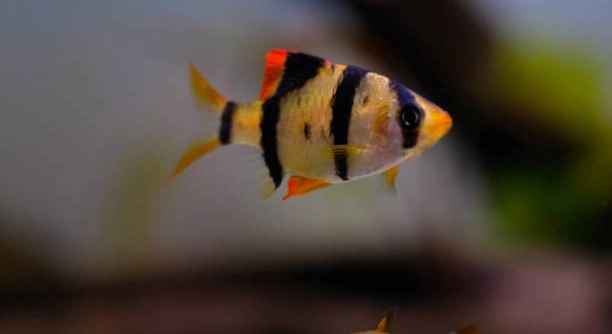
Have you ever owned tiger barbs and felt like there’s more to them than just their striking appearance and playful nature?
Tiger barbs exhibit fascinating behaviors and traits that often go unnoticed by casual fish keepers. Their social dynamics, coloration shifts, and environmental responses reveal a complex species that thrives best under specific conditions.
From shoaling patterns to subtle signs of stress, these lesser-known facts offer a deeper look into how tiger barbs interact with their surroundings and each other.
Tiger Barbs Change Color Depending on Mood and Health
Tiger barbs are known for their bold stripes and bright orange fins, but their color can shift based on mood, health, and environment. When they are stressed or ill, their colors often fade. This can be triggered by poor water quality, lack of space, or bullying from other tankmates. On the other hand, healthy and relaxed tiger barbs will display more vibrant colors. Changes in coloration can also happen during breeding or social displays, especially among males trying to establish dominance. Watching their color shifts can give helpful insights into how they’re doing.
A pale tiger barb may not just be shy—it could be a sign that something in the tank isn’t right.
If you notice your tiger barb losing color, start by checking water parameters like ammonia and nitrate levels. A crowded tank or aggressive tankmates can also cause chronic stress, leading to dull coloration. Feeding a high-quality diet rich in carotenoids can help restore their vibrancy. Lighting also plays a role—proper lighting enhances their colors while dim or overly bright settings might suppress them. Finally, ensure that they are kept in groups, as they are social fish that feel more secure in numbers. Healthy color means a healthy, content fish.
Their Social Structure Is Built on Pecking Order
Tiger barbs establish a social hierarchy through regular interaction and competition.
In a group, tiger barbs will display a natural pecking order that reduces overall aggression when balanced. Dominant fish may chase or nip at subordinates, but this is part of their normal behavior. Housing them in groups of six or more helps spread out aggression, preventing any one fish from being targeted too often. Odd-numbered groups can lead to bullying, so even numbers are typically better. Their social interactions keep them active and engaged, but an unbalanced group can cause stress or injury. Ensuring enough swimming space, hiding spots, and a consistent feeding routine will support a peaceful tank dynamic. When their environment is structured to match their social needs, tiger barbs thrive.
Tiger Barbs Sleep, But Not Like You Think
Tiger barbs do sleep, but they don’t close their eyes or lie down like mammals. Instead, they stay still, often hovering in place or resting near the bottom or plants during dark hours.
During sleep, their activity slows, and their colors may fade slightly. This is their way of conserving energy and staying safe from predators in the wild. They usually sleep at night, so keeping a regular light schedule helps support this natural rhythm. Avoid sudden lights or tank tapping at night, as this can startle them and disrupt their rest. Observing them floating quietly with minimal movement is usually a sign they’re asleep. A dim environment and calm surroundings are essential for this rest period, just as bright, active conditions are for their daytime behavior.
Rest is important for their overall health and stability. Without it, tiger barbs may become more aggressive, stressed, or susceptible to illness.
They’re Constantly Communicating Through Body Language
Tiger barbs use subtle movements and fin displays to communicate social rank, territory, and readiness to breed. These signals help reduce fighting and clarify roles in the group.
A raised dorsal fin often shows dominance, while quick darting can mean agitation or alertness. Nipping, chasing, or circling behavior is part of how they test boundaries and settle pecking orders. If one barb flashes its body or shivers, it could be a display of either stress or interest, depending on the context. During breeding, males will darken in color and chase females more often. These cues help them function as a tight-knit group.
Reading their behavior gives clues about tank health and social balance. When communication is ignored—such as keeping too few barbs or adding incompatible species—tension builds quickly. Watching how they interact helps prevent problems before they escalate.
They’re Fin Nippers by Nature
Tiger barbs have a strong instinct to nip at long, flowing fins. This behavior often targets slower fish like angelfish or bettas. Keeping them with fast-moving or similarly active tankmates reduces the chance of aggression or injury.
Their fin-nipping tendency isn’t always constant—it’s more likely when they’re bored or stressed. A well-structured tank with enough space, group members, and activity can help manage this behavior. Keeping them in groups of at least six spreads out any chasing.
Their Lifespan Depends on How You Care for Them
Tiger barbs can live up to 5–7 years with proper care. Clean water, stable temperatures, and a balanced diet are essential. Poor conditions, irregular feeding, and overcrowding shorten their lifespan. Regular water testing, weekly partial water changes, and a well-maintained filter will support their health. A varied diet that includes high-quality flakes, live food, and vegetables helps prevent digestive issues and supports their immune system. Avoid overfeeding, as it leads to obesity and water contamination. Keeping their social needs met with a proper group size also contributes to longevity. A healthy environment is key to helping them reach their full potential.
They Breed Easily in the Right Setup
Tiger barbs are egg scatterers and will spawn when the water is warm and slightly acidic. A separate breeding tank helps protect the eggs from being eaten.
FAQ
How many tiger barbs should I keep together?
Tiger barbs are schooling fish and should be kept in groups of at least six. Smaller groups often lead to increased aggression and stress, as they rely on the group dynamic for social balance. Even numbers help reduce bullying but groups larger than six are ideal for spreading aggression evenly.
What tank size is best for tiger barbs?
A minimum of 20 gallons is recommended for a group of six tiger barbs. They are active swimmers and need space to dart and explore. Larger tanks help maintain stable water conditions and provide enough room for tankmates, reducing territorial disputes.
What water parameters do tiger barbs prefer?
Tiger barbs thrive in water temperatures between 74°F and 79°F (23°C to 26°C). The pH should be neutral to slightly acidic, around 6.5 to 7.5. Maintaining clean water with low ammonia and nitrate levels is crucial for their health.
What should I feed tiger barbs?
They are omnivores and need a varied diet. High-quality flakes or pellets, supplemented with live or frozen foods like bloodworms, brine shrimp, and daphnia, provide balanced nutrition. Occasional vegetable matter, such as blanched spinach or zucchini, benefits their digestion.
Can tiger barbs live with other fish?
Yes, but choosing tankmates carefully is essential. Avoid slow-moving fish with long fins, like guppies or angelfish, as tiger barbs may nip at their fins. Good companions include fast, robust species such as danios, barbs, and larger tetras.
Why are my tiger barbs turning pale?
Pale coloration often signals stress or illness. Common causes include poor water quality, overcrowding, improper diet, or incompatible tankmates. Checking water parameters and adjusting their environment usually helps restore color.
Do tiger barbs jump out of tanks?
They can jump when startled or if the tank is overcrowded. It’s best to use a secure lid to prevent escapes and reduce stress. Avoid sudden lighting changes and loud noises near the tank to keep them calm.
How often should I clean the tank for tiger barbs?
Perform weekly partial water changes of about 25-30%. This keeps ammonia and nitrate levels low and prevents toxins from building up. Cleaning filters and substrate regularly supports a healthy environment.
Are tiger barbs aggressive?
Tiger barbs display moderate aggression, mostly within their group, as they establish hierarchy. Proper group size and tank space reduce fighting. They may nip fins of slower fish, so careful tankmate selection is important.
Can tiger barbs breed in a community tank?
Breeding in community tanks is rare because adults often eat their eggs. For successful breeding, use a separate tank with fine-leaved plants or spawning mops to protect eggs. Removing adults after spawning increases fry survival.
How long do tiger barbs live?
With proper care, tiger barbs live between 5 and 7 years. Maintaining good water quality, a balanced diet, and a stress-free environment helps maximize their lifespan. Overcrowding and poor nutrition shorten their lives.
What diseases affect tiger barbs?
Common diseases include ich, fin rot, and bacterial infections. These arise from poor water conditions or stress. Prompt treatment with appropriate medications and improving tank conditions help recovery.
Is it normal for tiger barbs to nip fins?
Yes, fin-nipping is a natural behavior, especially if they are bored or stressed. Providing enough group members, hiding places, and tank space reduces this behavior.
Do tiger barbs need special lighting?
Standard aquarium lighting is sufficient. Moderate lighting enhances their color and mimics natural conditions. Too bright or too dim light can cause stress or fade colors.
Can tiger barbs tolerate different water hardness levels?
They prefer soft to moderately hard water but are adaptable within reasonable ranges. Sudden changes in hardness should be avoided to prevent stress.
How do I know if my tiger barb is sick?
Signs include faded colors, clamped fins, lethargy, loss of appetite, and abnormal swimming. Early detection and improving tank conditions, along with treatment, increase chances of recovery.
What is the best way to introduce tiger barbs to a new tank?
Acclimate them slowly by floating the sealed bag in the tank for 20-30 minutes. Gradually add tank water to the bag before releasing them to reduce shock and stress.
Should I separate aggressive tiger barbs?
If aggression becomes severe, separating the most aggressive individuals may be necessary. Increasing group size or providing more hiding spots can also help.
Can tiger barbs live alone?
No, they are social fish that need companions. Keeping a single tiger barb can lead to loneliness, stress, and behavioral problems.
What plants are best for a tiger barb tank?
Hardy plants like Java fern, Anubias, and hornwort work well. These provide hiding spots and reduce stress, while being resistant to nibbling.
This FAQ covers key points to ensure tiger barbs remain healthy and active in your care.
Tiger barbs are fascinating fish that bring energy and color to any aquarium. Their unique behaviors and social nature make them interesting to observe. Understanding their habits, such as their color changes, social hierarchy, and fin-nipping tendencies, helps in creating a suitable environment for them to thrive. Keeping them in proper groups and maintaining good water conditions are essential for their health. When their needs are met, tiger barbs display vibrant colors and lively activity, making the tank a more engaging place.
Caring for tiger barbs requires attention to their diet, tank mates, and tank setup. They benefit from a varied diet that includes both plant and animal-based foods. Selecting compatible tankmates is important to avoid unnecessary aggression or stress. Providing a tank that offers enough space and hiding places supports their natural behavior. Regular maintenance, such as water changes and monitoring water quality, prevents health problems and keeps the fish comfortable. Knowing these details improves the overall experience of keeping tiger barbs and helps prevent common issues.
In summary, tiger barbs are active, social fish that need proper care to stay healthy and happy. Observing their behavior and responding to their needs helps in managing their natural instincts. This leads to a peaceful tank environment and a longer lifespan for the fish. With the right care, tiger barbs can be a rewarding addition to an aquarium, offering both beauty and personality to their aquatic home.

Hello,
If you enjoy the content that we create, please consider saying a "Thank You!" by leaving a tip.
Every little bit helps us continue crafting quality advice that supports the health, happiness, and well-being of pets around the world, for pets of all shapes, sizes, and species.
We really appreciate the kindness and support that you show us!