
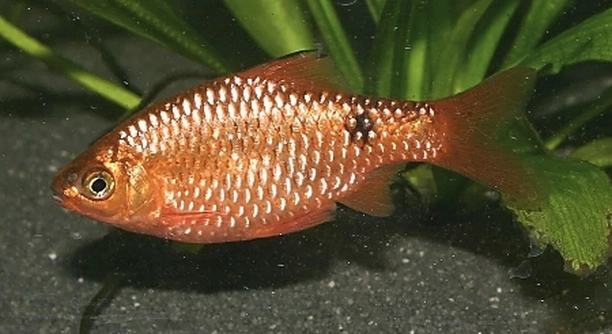
Do you ever find yourself fascinated by the way fish perceive their surroundings, especially when it comes to the vivid Rosy Barb? These colorful freshwater fish are more complex than they first appear.
Rosy Barbs have a unique visual system that allows them to detect ultraviolet light, distinguish subtle color differences, and adapt their vision to different lighting conditions. These features help them navigate, forage, and communicate in dynamic aquatic environments.
Learning how their vision works can give you a new perspective on their behavior, needs, and interactions inside your aquarium.
They Can See Ultraviolet Light
Rosy Barbs can see beyond the colors that humans perceive. Their eyes are specially adapted to detect ultraviolet (UV) light. This means they can see patterns and details in their environment that we simply can’t. UV sensitivity helps them spot tiny food particles in the water and detect subtle changes in the appearance of other fish. This ability becomes especially helpful during social interactions or when avoiding potential threats. In their natural habitats, where light can be filtered through plants or water, UV vision gives them an edge. Their environment looks more detailed and colorful to them than it does to us. This visual advantage supports their behavior and daily habits in ways that may not be obvious to the human eye. Recognizing this feature helps explain why Rosy Barbs sometimes react to things that appear invisible or unimportant to people observing them from outside the tank.
This level of vision helps them function well in both dim and bright settings, offering them flexibility.
If your Rosy Barbs appear to be staring at invisible things or darting suddenly, they might be reacting to something visible only through UV light.
Their Vision Changes as They Age
Young Rosy Barbs see things differently than older ones. As they mature, their visual sensitivity adjusts based on their environment and needs.
Researchers have found that Rosy Barbs experience changes in their cone cells—the parts of the eye that detect color—as they grow. Younger fish tend to have higher sensitivity to shorter wavelengths, including ultraviolet light. This heightened sensitivity helps them find food and interact with other fish in early life stages. As they age, their environment and behavior influence which wavelengths become more useful. In some cases, older Rosy Barbs show stronger responses to longer wavelengths like red and orange, especially during mating. These changes are not random. They reflect what the fish needs most at each stage of life. Lighting conditions, habitat depth, and diet all play a role in shaping this development. Understanding these changes can help you create a better environment by choosing the right lighting and tank setup based on the age of your Rosy Barbs.
They Use Vision to Communicate
Rosy Barbs rely on visual signals to express their mood, readiness to mate, or establish dominance. Their body color intensity, especially in males, often changes depending on their social or reproductive status.
In a tank, you might notice a male’s color becoming brighter when other fish are nearby. This isn’t random. It’s a visual cue that signals strength, health, or a desire to attract a mate. Subtle shifts in body posture or movement are also part of how they communicate visually. Quick darting or flaring fins can be a warning to other fish or an attempt to establish rank. These actions are all tied to how well they can see and respond to the movements and colors of those around them. If you observe carefully, you’ll start to recognize patterns in how they respond to each other’s appearance and movement, especially during feeding or breeding periods.
In dim lighting, these visual signals may become less effective. This can lead to more stress or confusion in the tank. Maintaining proper lighting and tank conditions helps support their ability to communicate clearly. It also lowers the chance of unnecessary aggression or missed social cues. Watching how they respond visually can also help you catch signs of stress early.
Their Eyes Adjust to Different Light Conditions
Rosy Barbs can adjust their vision to different lighting situations, which helps them stay active and alert both day and night. This adjustment happens through changes in their eye structure.
Their retinas contain rod and cone cells that shift depending on the time of day and how much light is available. In bright light, cone cells dominate, helping them see color and detail. In low light, rods become more active, boosting their ability to see movement and shapes. This switch helps them stay safe and alert no matter the time of day. If your tank lighting changes suddenly or isn’t consistent, it can throw off this process. Sudden shifts can stress them or interrupt their activity cycles. To support their natural rhythm, it’s helpful to use soft transitions in lighting and maintain a steady schedule. This gives their eyes time to adjust and keeps their behavior more balanced overall.
They Detect Motion Very Easily
Rosy Barbs have excellent motion detection. Even the smallest movement in the water can catch their attention. This helps them avoid danger and quickly respond to food or other fish nearby.
Their lateral line system works with their vision to enhance awareness. It’s why sudden tank activity often startles them.
They Can Recognize Shapes and Patterns
Rosy Barbs are capable of recognizing basic shapes, contrasts, and patterns, especially those that repeat. This helps them identify familiar objects, locate food, and recognize other fish. High-contrast decorations or backgrounds can sometimes influence their behavior, especially if they associate certain patterns with safety or feeding. If you consistently feed them in the same area or use specific tools, they may begin to anticipate feeding times based on visual clues alone. This kind of visual memory is a sign of learning and adaptation. Adding too many changes to their environment at once may stress them or affect how they respond to visual signals.
Poor Vision May Mean Illness
If your Rosy Barb starts bumping into things or seems confused, it could be a sign of vision problems. Cloudy eyes, dull colors, or sluggish responses may also point to illness.
What colors can Rosy Barbs see best?
Rosy Barbs are especially good at seeing colors in the blue, green, and ultraviolet range. Their eyes are adapted to pick up these colors clearly, which helps them in their natural environment. Reds and oranges are also visible but not as sharply as blues or UV light. This color sensitivity helps them find food and recognize other fish easily.
How does lighting affect their vision?
Lighting plays a big role in how well Rosy Barbs see. Bright, natural-like light allows them to use their full range of color vision. In dim or artificial light, their ability to see color is reduced, but they rely more on motion detection. Sudden changes in lighting can confuse them or cause stress, so keeping a steady light schedule helps maintain their normal behavior.
Can Rosy Barbs see in the dark?
While Rosy Barbs cannot see in total darkness, their eyes adjust to low light conditions by using rod cells, which are more sensitive to light but do not detect color well. This allows them to sense movement and shapes during dusk or dawn, helping them avoid danger and stay alert when light is low.
Why do Rosy Barbs sometimes change color?
Color changes in Rosy Barbs often happen as part of communication or stress responses. When a male wants to attract a mate, his colors become brighter and more intense. If a fish is stressed or sick, its colors may fade or become dull. Lighting conditions and diet can also influence their color vibrancy.
Do Rosy Barbs recognize their owners?
Rosy Barbs can recognize movement and shapes outside their tank and may learn to associate certain people with feeding time. While they don’t recognize owners in the same way pets like dogs do, they can become familiar with routine and respond to the presence of those who care for them.
How do Rosy Barbs react to reflections or tank decorations?
Reflections in the glass or shiny decorations can sometimes confuse Rosy Barbs, making them think another fish is nearby. This can lead to territorial behavior or increased activity. Simple decorations with less reflection usually help reduce this kind of stress and keep the fish calmer.
What should I do if my Rosy Barb’s vision seems impaired?
If you notice your Rosy Barb bumping into objects, not responding to food, or having cloudy eyes, it’s important to check water quality and look for signs of illness. Poor vision can result from infections or injuries. Prompt treatment and a clean, stable environment are key to recovery.
Can their vision improve with better tank care?
Yes, maintaining good water quality, proper lighting, and a balanced diet can support healthy vision in Rosy Barbs. Avoid sudden changes in tank setup and provide consistent lighting schedules to help their eyes adjust naturally. Healthy fish are more likely to maintain clear vision and normal behavior.
Understanding the vision of Rosy Barbs gives us a clearer picture of how these fish interact with their environment and with each other. Their ability to see ultraviolet light, detect motion, and adjust to different lighting conditions is impressive. These traits are important for their survival in the wild and influence their behavior in aquariums. Knowing this helps in creating a better living space for them. When you pay attention to how they see the world, you can meet their needs more effectively. This can lead to healthier, happier fish that display natural behaviors.
Taking care of Rosy Barbs means more than just feeding them and cleaning their tank. It also means understanding how their vision works and how it affects their daily life. Proper lighting is especially important since it affects how they see colors and shapes. Too much or too little light can cause stress or confusion. Keeping lighting consistent helps their eyes adjust and supports their natural rhythms. Decorations and tank setup should also consider their vision. Avoiding reflective surfaces and creating a stable environment reduces stress and encourages natural interactions among fish.
If a Rosy Barb starts showing signs of vision problems, such as bumping into objects or dull coloring, it’s important to act quickly. Poor vision can indicate illness or poor water conditions. Maintaining a clean tank and balanced diet supports their eye health. Regular observation helps catch problems early. By understanding and respecting the special qualities of Rosy Barb vision, you can improve their quality of life. This knowledge not only benefits the fish but also makes caring for them a more rewarding experience.

Hello,
If you enjoy the content that we create, please consider saying a "Thank You!" by leaving a tip.
Every little bit helps us continue crafting quality advice that supports the health, happiness, and well-being of pets around the world, for pets of all shapes, sizes, and species.
We really appreciate the kindness and support that you show us!