
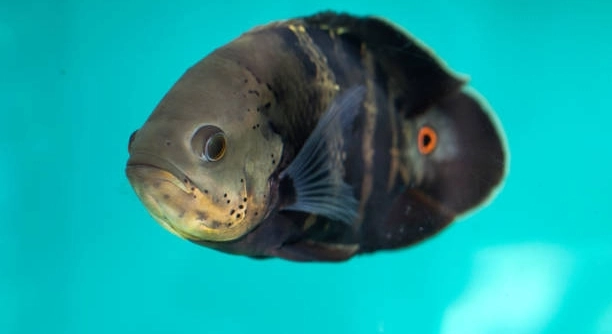
Oscar fish are popular pets known for their striking looks and lively personalities. They’re an interesting choice for fish enthusiasts, but there’s more to these fish than meets the eye. Learning about their unique traits can enhance your experience as a pet owner.
Oscar fish are highly intelligent and can even recognize their owners. They are also known for their curious nature and ability to learn tricks, making them a fascinating species to observe. Their behavior can vary widely depending on their environment.
These fascinating fish can display surprising behaviors that might change your perspective. Keep reading to learn more about the traits that make Oscar fish special.
Oscars Can Recognize Their Owners
Oscar fish are more intelligent than many people realize. They can quickly learn to recognize their owners, responding to movements or even voices. This ability is part of why Oscars are such interactive pets. Some owners even claim their Oscars follow them around the room, showing clear signs of attachment.
Despite their intelligence, Oscars are not the easiest fish to care for. Their tank needs to be large, as they grow up to 18 inches in length. They also prefer their water conditions to be stable, making regular water changes essential. Proper filtration is a must for maintaining clean water, as Oscars are messy eaters.
Keeping an Oscar means understanding their need for space and routine. They thrive in well-maintained tanks with plenty of hiding spots. Even though they can be quite social, they also value their alone time and should not be kept with overly aggressive tankmates. Oscars can form strong bonds with their owners, making them a rewarding species to care for.
Oscars Have Unique Personalities
Oscar fish exhibit unique personalities. They may be playful and curious or shy and reserved, but their behavior varies from one fish to another. Some can even be quite territorial.
Their temperament depends largely on how they are raised. If they are handled with care and placed in a stable environment, they tend to be more relaxed. However, if they are kept in a stressful tank or exposed to poor water conditions, their personality might shift. Oscars may become aggressive, even toward their owners.
Each Oscar can develop its own habits, making them a constant source of surprise. Whether it’s their feeding time antics or interactions with you, you’ll never quite know what they’ll do next. With the right care, these fish can be both entertaining and endearing companions.
Oscars Can Live for Over 10 Years
Oscar fish can live for more than a decade with proper care. Their lifespan can vary, but a well-maintained tank and stable environment can ensure they live a long life. Many owners are surprised by how long they can stay healthy and active.
They tend to live longer when fed a balanced diet and kept in an appropriate tank. Regular water changes, along with the right water temperature and pH levels, also contribute to their longevity. Stress from poor water conditions or overcrowded tanks can shorten their lifespan significantly. With proper care, your Oscar can become a long-term companion.
Some Oscars have been known to live well beyond 10 years, with some even reaching 15 or 20 years. This means you’ll have a long-term relationship with them, watching them grow and change over the years. Their age doesn’t diminish their personality, and many owners report their Oscars still show curiosity and attachment well into their senior years.
Oscars Are Not Ideal for Community Tanks
Oscar fish are best kept in species-only tanks. Their aggressive nature makes them unsuitable for community tanks, especially with smaller fish. Oscars can easily bully or eat smaller tankmates, so it’s important to carefully choose companions.
Because of their territorial nature, they may become hostile towards other fish, even in larger setups. They prefer to have ample space to swim and explore, without the stress of competition for territory or food. While they can sometimes live with larger, more aggressive fish, this should be done with caution.
When choosing tankmates for Oscars, it’s essential to focus on fish that can hold their own and won’t be outcompeted. Avoid keeping Oscars with peaceful or small species like tetras or guppies. Instead, opt for similar-sized or larger, robust fish that won’t back down from the Oscar’s territorial nature.
Oscars Are Aggressive Eaters
Oscar fish have hearty appetites and can be quite aggressive when it comes to food. They are opportunistic feeders, meaning they’ll eagerly grab anything in their tank that looks like food. This can sometimes lead to them fighting over meals.
They are not picky eaters and will consume a variety of foods, including pellets, live foods, and even smaller fish if they are hungry enough. Their aggressive eating habits can sometimes cause them to eat too much, which might lead to health issues like obesity. It’s important to monitor how much they eat and keep a regular feeding schedule.
Overfeeding an Oscar can lead to bloating and poor water quality, as uneaten food breaks down quickly. To avoid this, give them only what they can consume in a few minutes, ensuring they don’t overeat or create excess waste in the tank.
Oscars Need a Large Tank
Oscars grow to be large fish, so they need ample space to thrive. A tank of at least 75 gallons is recommended for a single Oscar, and even larger tanks are needed if you plan to keep multiple Oscars.
A smaller tank will quickly become overcrowded and may lead to poor water conditions. Oscars require plenty of swimming space, as they are active fish. When designing the tank, include places for the fish to hide and explore. They enjoy having objects in their environment, which can make them feel more secure.
Tank size is one of the most important factors for keeping Oscars healthy. A cramped tank can lead to stress, aggressive behavior, and a shorter lifespan. Make sure your tank is large enough to accommodate their size and activity level for the long term.
Oscars Can Change Colors
Oscar fish are known to change their colors as they grow and develop. As juveniles, they typically have bright, striking colors. Over time, their patterns may change, and some can develop darker or more subdued tones as they mature.
This color change is a natural part of their growth process. The intensity of their colors can also vary based on their mood, water quality, and environment. A well-maintained tank with optimal water conditions helps preserve their vibrant coloration. Poor water quality or stress may cause their colors to fade.
Though Oscars’ colors may shift as they grow, they always retain their distinctive look, making them an interesting and dynamic species to observe.
FAQ
How often should I feed my Oscar fish?
Oscar fish are known for their hearty appetites. It’s best to feed them once or twice a day. You should only offer as much food as they can eat in a few minutes to avoid overfeeding and water pollution. Stick to a routine and avoid feeding them late at night, as they may not finish the food before the lights go off, leaving leftovers to degrade in the tank.
What do Oscars eat?
Oscars are not picky eaters. Their diet can include high-quality pellets, frozen or live foods like worms, shrimp, and fish, and even vegetables like peas or lettuce. A varied diet is important to keep them healthy, and feeding them a combination of different foods ensures they get all the nutrients they need.
Can Oscars live with other fish?
While Oscars can live with other fish, they are often too aggressive to be kept in a community tank. They can become territorial and may bully smaller or peaceful fish. Larger, more aggressive species might coexist with Oscars, but it’s important to monitor their interactions and make sure the other fish are large enough to defend themselves.
What size tank does an Oscar need?
A single Oscar requires a tank of at least 75 gallons to thrive. As they grow, they need more space to swim around comfortably. If you plan to keep more than one Oscar, a tank of 100 gallons or more is ideal. A larger tank helps prevent overcrowding and ensures good water quality, which is essential for their health.
How long do Oscars live?
Oscar fish can live for over 10 years if cared for properly. Some may live up to 15 or even 20 years, provided they are in a stable environment with regular water changes, proper filtration, and a balanced diet. Their lifespan can be affected by water conditions, diet, and overall tank care.
Do Oscars require a heater?
Yes, Oscars are tropical fish and require a heater to maintain a consistent water temperature. They thrive in water that is between 74-81°F (23-27°C). A heater will ensure the water stays within the appropriate range, preventing stress and illness that can result from fluctuating temperatures.
Can Oscars be kept in a planted tank?
While Oscars can live in a planted tank, they are not always the best choice for one. They are known to uproot plants and may damage delicate vegetation as they swim and explore. If you want to try keeping plants, choose hardy species that can withstand the Oscars’ rough treatment.
Do Oscars need a filter?
Oscars produce a lot of waste, so a high-quality filter is essential. Without proper filtration, water quality can quickly degrade, leading to health problems for the fish. Choose a filter rated for a tank larger than your Oscar’s tank size to ensure it can handle the waste load.
Are Oscars aggressive?
Yes, Oscars are generally aggressive fish. They can be territorial and may become hostile, especially when they feel their space is being invaded. Their aggression can be directed at tank mates or even at their owners, especially if they are stressed or not comfortable in their environment.
How do I know if my Oscar is stressed?
Signs of stress in an Oscar can include erratic swimming, hiding frequently, and a lack of appetite. They may also display unusual behaviors, such as swimming in circles or scraping against objects. Poor water quality, overcrowding, or a lack of hiding spots are common causes of stress.
What should I do if my Oscar isn’t eating?
If your Oscar isn’t eating, first check the water quality. Poor water conditions can cause loss of appetite. Also, make sure you’re offering a variety of foods to stimulate their appetite. If the problem persists, check for signs of illness or injury. It may be helpful to isolate them in a hospital tank for observation.
Can Oscars change their color?
Yes, Oscars can change color as they grow. Their coloration can shift based on their age, mood, and environmental factors. While young Oscars often display bright colors, these can become more subdued or darker as they mature. Water quality and stress levels can also influence how vivid their colors are.
How do I prevent Oscar fish from becoming aggressive?
Preventing aggression in Oscar fish involves providing plenty of space, hiding spots, and maintaining optimal water conditions. Avoid overcrowding the tank and give them plenty of room to establish their territory. If aggression is directed at other fish, you may need to rehome incompatible tankmates.
What are the signs that my Oscar is sick?
Sick Oscars may display changes in behavior or appearance. Common signs include faded colors, lethargy, loss of appetite, or abnormal swimming patterns. Look for external signs like spots, lesions, or torn fins. If you notice any of these signs, check the water quality and consider isolating the fish in a quarantine tank.
How do I breed Oscar fish?
Breeding Oscars requires proper water conditions and enough space. They are egg layers, and they often choose a flat surface on which to lay their eggs. Both parents are typically involved in caring for the eggs and the fry. Ensure the tank is large enough to accommodate the breeding pair, and be prepared to separate them from other fish once breeding starts to prevent aggression.
Can Oscars live in cold water?
Oscars are tropical fish, so they should not be kept in cold water. If the water temperature drops below 74°F (23°C), they can become stressed and more susceptible to illness. A heater is necessary to maintain the appropriate water temperature for their health and well-being.
How can I make my Oscar feel more comfortable in its tank?
To help your Oscar feel comfortable, provide a tank that mimics its natural environment. Include hiding spots using rocks, caves, or driftwood. Make sure the tank is large enough and that water quality is consistently maintained. Keep the tank free from aggressive tankmates, and offer a varied diet.
Final Thoughts
Oscar fish are fascinating and dynamic creatures that can make great pets for the right owner. They are intelligent, interactive, and can form strong bonds with their owners. While they are known for their aggressive behavior, with the right tank setup and careful planning, they can thrive in a home aquarium. However, it’s important to remember that Oscars require a lot of space, so owning one is not a decision to be taken lightly. A tank of at least 75 gallons is necessary to keep them healthy, and they will need proper care to live a long life.
One of the most important aspects of keeping an Oscar is understanding its needs for water quality and space. Oscars produce a lot of waste, which means their tank needs regular cleaning and a high-quality filter. Keeping water conditions stable is essential for their health and well-being. A consistent temperature between 74-81°F (23-27°C) and proper pH levels will help your Oscar stay healthy and active. Regular water changes are key to maintaining good water quality, which, in turn, helps prevent diseases. By keeping a close eye on these factors, you can ensure that your Oscar has the best chance for a long, healthy life.
While Oscars can be very rewarding pets, they are not for everyone. Their territorial nature and sometimes aggressive behavior can make them challenging to keep with other fish. They do best in species-only tanks or with other fish of similar size and temperament. If you plan to add other fish, it’s crucial to research which species can cohabit with Oscars without causing stress or harm. Still, for those who enjoy observing their unique personalities and are willing to put in the effort to maintain their tank, Oscars can be a truly enjoyable and long-lasting companion.

Hello,
If you enjoy the content that we create, please consider saying a "Thank You!" by leaving a tip.
Every little bit helps us continue crafting quality advice that supports the health, happiness, and well-being of pets around the world, for pets of all shapes, sizes, and species.
We really appreciate the kindness and support that you show us!