
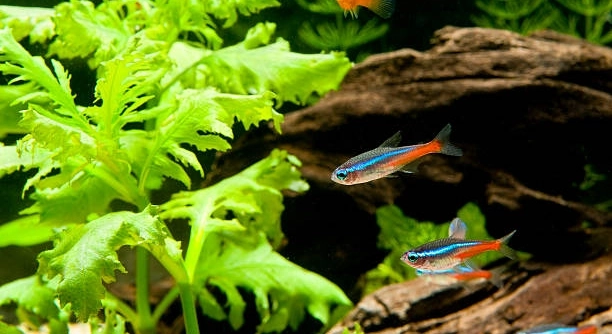
Neon Tetras are popular aquarium fish known for their bright, vibrant colors and peaceful nature. They are small, but their behavior can tell us a lot about their needs and preferences. Understanding their actions can improve their care and happiness.
Neon Tetras display fascinating behaviors that are influenced by their social environment, water conditions, and diet. These fish are highly social and thrive in schools, showing unique interactions like schooling formations and occasional territorial disputes. Understanding their behavior helps maintain a healthy aquarium.
Learning more about Neon Tetra behavior will help you create an ideal environment for these fish. Their actions are not just cute, but essential for their well-being. We’ll explore key behaviors you may not have known.
Neon Tetras Are Social Fish
Neon Tetras are known for their social behavior. In the wild, they live in large schools, which provides them with protection from predators and creates a sense of security. When kept in aquariums, they still prefer to live in groups of six or more. If you have just one or two Neon Tetras in your tank, they may appear stressed, hide more often, or exhibit unusual behavior. When in a school, these fish engage in synchronized swimming and play off each other’s movements. It’s a beautiful sight, but more importantly, it helps them feel safe and secure.
Neon Tetras are schooling fish, and they need company to thrive. Without it, they can become timid and might not eat as well.
If you’re planning to keep Neon Tetras, it’s essential to ensure that their tank includes other Neon Tetras. Their social nature keeps them active and healthy. However, overcrowding can lead to stress, so it’s crucial to strike a balance between the number of fish and tank size. Keeping a school of these fish is key to replicating their natural environment, which fosters natural behavior patterns. These patterns include swimming together in tight formations, an instinct that helps them evade predators in the wild. This behavior also makes them less likely to pick on each other or show signs of aggression. Their happiness is directly linked to the number of companions they have, so providing a school should be one of your first priorities.
Neon Tetras Are Sensitive to Water Conditions
Neon Tetras are particularly sensitive to water quality. They thrive in soft, slightly acidic water with temperatures between 70°F and 81°F. Poor water conditions can cause stress, which may lead to a range of health issues such as weakened immune systems or skin discoloration.
Maintaining the correct water conditions is essential for Neon Tetra health. Regular water changes, monitoring pH levels, and ensuring proper filtration are crucial.
A stable environment helps keep these fish calm and active. Sudden shifts in water temperature or pH levels can be particularly stressful for them. Neon Tetras can become disoriented or more prone to disease if the water quality is poor. Additionally, these fish have sensitive skin, which can become irritated if exposed to high levels of toxins or chemicals in the water. To keep them healthy, avoid overfeeding, which can lead to excess waste, and regularly test your water to ensure it remains within the ideal range for these delicate creatures. Keeping a consistent routine for water changes and maintenance ensures that the Neon Tetras are less stressed and continue to show their vibrant colors.
Neon Tetras Are Active at Night
Neon Tetras are most active during dawn and dusk, often becoming more lively once the lights in the aquarium dim. This behavior is linked to their natural instinct to avoid predators. In the wild, they are preyed upon by larger fish, and remaining hidden in the dim light of early morning and evening offers protection.
Their activity patterns shift based on lighting. During the day, they may remain more subdued, sticking close to the tank’s plants or hiding spots. But as night falls, they become much more active, swimming around and interacting with each other. Their nocturnal activity is not just a survival instinct; it also plays a role in their social behavior. Neon Tetras communicate through body movements and colors, and this becomes especially noticeable when they are in motion. Keeping the aquarium light cycle consistent can help mimic their natural environment and prevent unnecessary stress.
By understanding their activity levels, you can set up your aquarium in a way that respects their natural rhythms. This includes having hiding spots or plant coverage for them during the day and ensuring that their lights are dim enough to encourage their natural behavior at night. This adjustment can improve their overall health and well-being.
Neon Tetras Can Display Aggression
Although Neon Tetras are peaceful by nature, they can show signs of aggression under certain conditions. When they feel threatened or crowded, they may become territorial. This behavior can manifest as chasing or nipping at other fish. Keeping too few Neon Tetras or overcrowding the tank can trigger these aggressive behaviors.
Even in groups, small signs of stress can cause these fish to act out. It’s important to provide enough space for each fish in the tank and keep the environment calm. Overcrowding or a lack of hiding places can stress the fish, making them more likely to show aggression. Furthermore, other tankmates that are too large or active can also stress the Tetras and lead to territorial behavior. Creating a balanced tank with proper stocking levels helps reduce such issues.
Making sure the environment is calm and that each fish has enough space will prevent this aggression. Neon Tetras are best kept with peaceful tankmates who won’t make them feel threatened. If aggression does occur, consider adding more Tetras or creating more hiding spaces to reduce their stress levels.
Neon Tetras Prefer Soft Water
Neon Tetras thrive in soft water, which mimics their natural habitat in the Amazon River. They do not handle hard or alkaline water well, as it can cause stress and affect their health. Soft, slightly acidic water is ideal for their comfort and long-term well-being.
To maintain soft water, regularly test the pH and hardness levels. You can use aquarium filters that soften the water or add specific chemicals that adjust hardness levels. Maintaining the right water parameters helps keep your Tetras vibrant and active. Additionally, it ensures that they feel secure and comfortable in their environment.
Neon Tetras Are Sensitive to Stress
Stress can have a significant impact on the health of Neon Tetras. Environmental changes, such as fluctuations in water temperature or sudden tankmate introductions, can cause them to become stressed. Stress weakens their immune system, making them more susceptible to diseases.
Keeping stress levels low involves maintaining consistent water conditions, minimizing sudden changes, and offering plenty of hiding spots in the tank. Stress can also arise from overfeeding or overcrowding, so it’s important to monitor their diet and tank size carefully. A calm and stable environment leads to healthier, happier fish.
Neon Tetras Can Be Trained to Follow Feeding Movements
While not as responsive as some other species, Neon Tetras can learn to associate certain movements with feeding time. They will start to recognize the routine and approach the surface when they see you or your hand near the tank during feeding times.
With patience and consistency, you can train them to swim toward the feeding area. This behavior is not only adorable to watch but also shows how intelligent these fish can be. However, avoid overfeeding as it can lead to poor water quality and stress.
FAQ
Can Neon Tetras live with other fish?
Yes, Neon Tetras are peaceful fish and can live with many other species, especially small and non-aggressive fish. Some good tankmates include other small schooling fish like Guppies, Corydoras, or Rasboras. Avoid larger or more aggressive fish, as they might stress out or harm the Tetras. Always consider the size of the tank and the temperament of other fish before introducing new tankmates.
How many Neon Tetras should be kept together?
Neon Tetras should be kept in groups of at least six to make them feel comfortable. In the wild, they are schooling fish, and being in a small group in the tank can cause stress. The more Tetras you keep, the more natural their behavior will be. However, overcrowding the tank can lead to stress and poor water quality, so make sure your tank has enough space.
What do Neon Tetras eat?
Neon Tetras are omnivores and can eat a variety of foods, including high-quality flake food, frozen or live foods like daphnia, and brine shrimp. You can also feed them micro-pellets and small worms. It’s important to vary their diet to ensure they get all the necessary nutrients. Feed them small amounts two to three times a day, as they are small fish and will eat only a little at a time.
Do Neon Tetras need a filter?
Yes, a filter is important for maintaining clean and healthy water in your tank. While Neon Tetras do not produce a lot of waste, keeping the water clean is essential for their well-being. A good filter will help remove excess food, waste, and harmful toxins from the water. Make sure the filter’s current is not too strong, as Neon Tetras prefer calm water.
What is the ideal water temperature for Neon Tetras?
Neon Tetras thrive in water temperatures between 70°F and 81°F (21°C to 27°C). They prefer a stable temperature, so avoid sudden fluctuations. If the water gets too cold or too hot, they may become stressed, and their immune system can weaken, making them more prone to diseases.
Can Neon Tetras live in cold water?
No, Neon Tetras are tropical fish and prefer warm water. Cold water can cause them to become sluggish, stressed, or even ill. If your tank is in a cooler room, it’s important to have a reliable aquarium heater to maintain a consistent temperature within the ideal range.
Why are my Neon Tetras not eating?
There can be several reasons why your Neon Tetras may not be eating. Stress is one of the most common causes, as they may be adjusting to new tank conditions or a new environment. Poor water quality or changes in temperature can also cause them to lose their appetite. Another reason could be an incorrect diet; try offering a variety of foods to see if they show more interest.
Do Neon Tetras get along with each other?
Yes, Neon Tetras are peaceful fish and get along well with others in their own species. They enjoy swimming in groups and often engage in synchronized swimming. However, they might display slight territorial behavior if they feel crowded or stressed. Keeping them in a larger school and providing plenty of space can prevent this.
How often should I change the water in my tank?
It’s recommended to change 25% to 30% of the water every 1-2 weeks to maintain a healthy environment for your Neon Tetras. More frequent changes may be needed if you have a lot of fish or if you notice the water quality deteriorating. Always check the water parameters before doing a water change to ensure the new water is within the right range for your fish.
Are Neon Tetras easy to breed?
Breeding Neon Tetras can be a bit tricky, but it’s not impossible. They require very specific conditions to breed successfully, such as soft, slightly acidic water and the right temperature. You may also need a separate breeding tank, as adult Neon Tetras will eat their eggs. Proper diet and a stress-free environment are key to encouraging breeding.
How long do Neon Tetras live?
Neon Tetras typically live for around 5 to 10 years if cared for properly. Good water quality, a stable environment, and a balanced diet all contribute to their longevity. It’s important to provide consistent care and monitor their health to ensure they live a full, healthy life.
Do Neon Tetras change color?
Yes, Neon Tetras can change color depending on their health and stress levels. When they are stressed or unwell, their bright blue and red coloration may fade. A healthy, happy Neon Tetra will show vibrant colors. Proper care, good water conditions, and a peaceful environment are essential for maintaining their beautiful coloration.
What size tank do Neon Tetras need?
Neon Tetras are small fish, but they still need space to swim. A 10-gallon tank is suitable for a small school of Tetras, but larger tanks are always better. More space reduces stress and allows for proper filtration. Keep in mind that the size of the tank should also consider the number of other fish in the tank.
Can Neon Tetras live with Betta fish?
Neon Tetras can live with Betta fish, as long as the Betta is not overly aggressive. Bettas are known to be territorial, especially males, so the behavior of your Betta will play a big role. It’s essential to monitor the tank for any signs of aggression, and always provide plenty of hiding spaces for both species.
What do Neon Tetras do when they’re stressed?
When Neon Tetras are stressed, they may exhibit behavior such as hiding, swimming erratically, or staying near the tank’s bottom. Their colors may also fade, and they may stop eating. Stress can be caused by poor water conditions, overcrowding, or aggressive tankmates. Addressing the source of stress will help them recover.
Can Neon Tetras live in a community tank?
Yes, Neon Tetras are perfect for community tanks. They are peaceful, social fish that get along well with other small, non-aggressive fish. Avoid mixing them with aggressive or larger species, as they may become stressed or be bullied. Community tanks with a variety of peaceful fish make for a vibrant and harmonious setup.
Final Thoughts
Neon Tetras are a wonderful addition to any aquarium, known for their vibrant colors and peaceful nature. These small fish are relatively easy to care for, making them an excellent choice for beginner aquarium enthusiasts. However, they do require attention to their environment, including stable water conditions, proper tankmates, and a school of their own kind to thrive. Keeping a healthy group of Neon Tetras helps maintain their natural behavior and reduces stress, making them more likely to stay active and healthy.
Their behavior is influenced by the environment, and they respond well to consistent water parameters. Neon Tetras prefer slightly acidic, soft water with stable temperatures. This is something to consider when setting up their tank. Water quality plays a big role in their health, and regular maintenance is key. By ensuring that the water is clean, and the temperature is within their preferred range, you can help avoid issues such as stress or illness. It’s also important to provide hiding spaces and plants, as these offer them comfort and places to retreat when they feel the need.
In conclusion, Neon Tetras are not just beautiful to look at but also fascinating in their social and behavioral patterns. Their peaceful nature makes them a great choice for community tanks, as long as they are housed with compatible species. By paying attention to their needs, such as school size, water conditions, and proper tankmates, you can ensure that your Neon Tetras live a long and healthy life. With proper care, they’ll bring color and tranquility to your aquarium, becoming both a joy to watch and a symbol of the delicate balance required to maintain a thriving fish tank.

Hello,
If you enjoy the content that we create, please consider saying a "Thank You!" by leaving a tip.
Every little bit helps us continue crafting quality advice that supports the health, happiness, and well-being of pets around the world, for pets of all shapes, sizes, and species.
We really appreciate the kindness and support that you show us!