
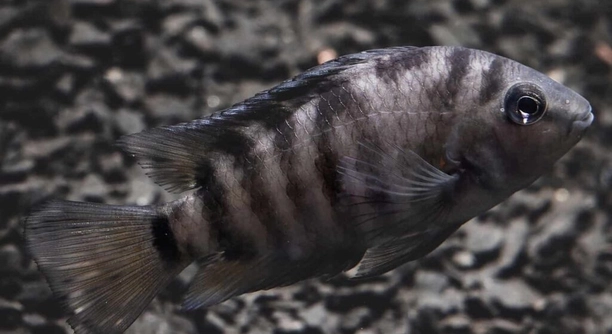
Cichlids are popular aquarium fish known for their vibrant colors and interesting behaviors. Many hobbyists enjoy breeding them but may not know all the details involved in their reproductive process. Understanding these lesser-known aspects can improve success rates.
Cichlid breeding involves specific environmental triggers such as water temperature, pH levels, and territory setup. Additionally, many species display unique parental care behaviors, including mouthbrooding and guarding eggs, which are essential for the survival of the offspring in captivity.
Knowing these important breeding facts can help both beginners and experienced fish keepers create better conditions for healthy cichlid populations. This article highlights seven key points that are often overlooked.
The Importance of Water Conditions in Cichlid Breeding
Maintaining the right water conditions is crucial for successful cichlid breeding. Temperature, pH, and hardness all play key roles in triggering spawning behaviors. Most cichlids prefer slightly alkaline water with a pH between 7.0 and 8.0. Temperature typically ranges from 75 to 82 degrees Fahrenheit, depending on the species. Stable water parameters reduce stress and encourage natural breeding behaviors. Sudden changes in water chemistry can delay or prevent spawning. Regular water changes and proper filtration help maintain these conditions. Breeders often replicate the natural habitat by adjusting water hardness to match their fish’s origin. Soft water is favored by some African species, while others prefer harder water. Ensuring these factors are right supports healthy eggs and fry development, making it easier to raise young cichlids successfully.
Water quality directly impacts breeding success and fry survival. Consistent conditions encourage natural behaviors and reduce stress during spawning.
Many breeders overlook subtle water changes that can negatively affect breeding. Regular monitoring and adjustments create a healthy environment for both parents and offspring. It’s important to research the specific needs of each cichlid species, as their water preferences can vary widely. Using test kits helps track pH, ammonia, nitrite, and nitrate levels, preventing toxic buildups. Some hobbyists use buffering agents to maintain stable pH and hardness. Additionally, simulating rainy season water changes with cooler water can trigger spawning in certain species. Attention to these details improves egg fertilization rates and fry vitality. This careful management makes a significant difference in the overall breeding outcome.
Unique Parental Care Behaviors
Cichlids display remarkable parental care, often guarding their eggs and fry closely. These behaviors vary significantly among species.
Some cichlids are substrate spawners, cleaning a flat surface before laying eggs. Both parents usually guard the site, fending off intruders. Other species are mouthbrooders, carrying eggs and fry in their mouths to protect them from predators. This method offers high survival rates but limits the number of offspring at a time. Mouthbrooding parents may not eat during this period, showing strong dedication to their young. Some cichlids alternate care duties, with one parent guarding while the other forages. Recognizing these behaviors is important for breeders to avoid disturbing the fish during sensitive times. Providing hiding places and appropriate tank setups supports natural care instincts. Understanding these patterns helps improve the chances of successfully raising healthy fry in captivity.
Feeding Practices During Breeding
Proper nutrition is essential for breeding cichlids. High-quality food improves egg quality and fry survival. Protein-rich diets help condition the parents.
Breeding cichlids require increased nutrition to support egg production and parental care. Feeding a varied diet including live or frozen foods like brine shrimp, bloodworms, and daphnia enhances their health. High-protein pellets and flakes are also useful. Overfeeding should be avoided to maintain water quality. Regular feeding schedules encourage natural behaviors and improve spawning readiness. Nutritional stress can reduce fertility, so consistent, balanced feeding is necessary during this period.
Many breeders supplement diets with vitamins and minerals to boost immune systems. Conditioning fish with quality foods before spawning increases energy levels and egg viability. After spawning, parents need adequate nutrition to recover while caring for fry. Offering smaller, frequent meals helps maintain stable tank conditions. Adjusting feeding amounts as fry grow is important for their development. Feeding well supports both adults and offspring, contributing to a healthier breeding environment.
Selecting Suitable Breeding Pairs
Choosing compatible cichlid pairs increases breeding success. Not all fish are willing or able to breed together.
Pairing cichlids involves observing compatibility in temperament, size, and species. Aggressive or territorial fish may harm each other or fail to breed if stressed. Selecting fish of similar size reduces conflicts during spawning. Some breeders isolate pairs to monitor interactions and prevent competition from other tank mates. Introducing a compatible male and female can trigger breeding behavior if conditions are right. Visual signs such as courtship displays and color changes indicate readiness. Avoid pairing related fish to prevent genetic issues. Healthy, mature fish have better reproductive outcomes, so selecting well-conditioned adults is essential.
Breeders often test multiple pairs to find the best match. Patience is needed as some pairs may take weeks or months to spawn. Watching interactions closely helps identify potential problems early. A calm environment without disturbances supports bonding. Providing plenty of hiding spots and territories can reduce aggression and encourage natural behavior. Proper pairing is key to improving fertilization rates and fry survival, making the breeding process smoother and more rewarding.
Common Breeding Mistakes
Many breeders make simple mistakes that hinder cichlid breeding success. Overcrowding and poor water quality are frequent issues.
Disturbing the breeding pair during spawning or fry care can cause stress, leading to abandoned eggs or fry. Ignoring species-specific needs also reduces chances of success.
Fry Care and Feeding
Newly hatched cichlid fry require special attention. They need small, frequent feedings of suitable foods like infusoria, baby brine shrimp, or finely crushed flakes. Maintaining excellent water quality is critical since fry are sensitive to toxins. Separate fry tanks can improve survival rates by protecting them from adult fish.
Tank Setup for Breeding
Breeding tanks should include hiding spots, flat surfaces, or caves depending on species. Proper lighting and gentle filtration create a stable environment. Providing space for territories helps reduce aggression. Avoid strong currents as many cichlids prefer calmer waters during spawning.
Signs of Successful Breeding
Healthy eggs and active fry indicate successful breeding. Parents guarding eggs and fry closely is a positive sign. Watch for normal growth and development in fry during early weeks.
FAQ
How long does it take for cichlid eggs to hatch?
Cichlid eggs usually hatch within 2 to 7 days, depending on the species and water temperature. Warmer water speeds up development, while cooler water slows it down. Monitoring water conditions closely helps ensure eggs hatch properly without delays or problems.
Can cichlids breed in community tanks?
Breeding in community tanks is possible but not ideal. Other fish may eat eggs or fry, and the breeding pair can become stressed from tank mates. A separate breeding tank increases success by providing privacy and controlled conditions for the parents and offspring.
Do all cichlid species mouthbrood their young?
No, not all cichlids are mouthbrooders. Some species lay eggs on flat surfaces or inside caves and guard them there. Mouthbrooding is common in African cichlids, but many South American species care for eggs and fry differently.
How often can cichlids breed?
Cichlids can breed multiple times per year if conditions are right. After spawning, parents usually need a recovery period, which varies by species. Overbreeding can stress fish, so allowing rest between spawning cycles is important.
What should I do if parents eat their eggs?
Egg-eating can happen due to stress or poor conditions. Improving water quality and reducing disturbances may help. In some cases, removing eggs to a separate tank for artificial hatching is necessary. Selecting less aggressive pairs can also reduce this behavior.
How do I sex my cichlids?
Sexing cichlids varies by species. Males often have brighter colors and larger fins, while females tend to be smaller and less colorful. Observing behavior during breeding season can help, as males usually display courtship rituals. Researching specific species traits is key.
What is the best diet for breeding cichlids?
A high-protein diet including live or frozen foods like brine shrimp, bloodworms, and daphnia supports breeding health. Supplementing with quality pellets or flakes provides balanced nutrition. Feeding small amounts several times a day encourages conditioning without polluting water.
How can I tell if my cichlids are ready to breed?
Signs include increased activity, color changes, and courtship behaviors like digging or cleaning surfaces. Pairs often become territorial and chase away other fish. Observing these natural behaviors helps confirm readiness to spawn.
Should I remove fry from parents?
It depends on the species and parental behavior. Some cichlids care well for their fry, protecting and feeding them. Others may eat or neglect their young. Watching parents closely helps decide if fry need to be separated for safety.
How do I prevent fungus on cichlid eggs?
Fungus can harm eggs and reduce hatch rates. Maintaining clean water and good filtration lowers risks. Some breeders add antifungal treatments like methylene blue cautiously. Removing unfertilized or dead eggs promptly also helps prevent fungus spread.
Cichlid breeding can be a rewarding experience, but it requires attention to many important details. Understanding the specific needs of your fish, from water conditions to feeding practices, helps create an environment where breeding is more likely to succeed. Each species has its own requirements, so taking time to learn about them is essential. Maintaining stable water parameters and offering proper nutrition supports healthy eggs and fry development. Knowing how to recognize breeding behaviors and prepare a suitable tank setup also contributes to positive outcomes.
Parental care is a key factor in raising cichlid fry successfully. Many species show strong protective instincts, guarding their eggs and young carefully. Observing how the parents behave allows you to make informed decisions about whether to leave fry with them or move them to a separate tank. Stress should be minimized during this time, as disturbances can lead to abandoned eggs or eaten fry. Providing hiding places and enough space for territories reduces aggression and supports natural care. Consistent care after hatching ensures the fry grow healthy and strong.
Successful breeding takes patience and careful monitoring. Mistakes such as overcrowding, poor water quality, or incompatible pairs can reduce success rates. Testing water regularly and adjusting conditions based on species needs are necessary steps. Pairing fish thoughtfully and feeding them well prepares them for spawning. Paying attention to common problems like fungus on eggs or parental egg eating allows for quick intervention. With proper planning and care, breeding cichlids can be a fulfilling hobby that adds beauty and life to your aquarium.

Hello,
If you enjoy the content that we create, please consider saying a "Thank You!" by leaving a tip.
Every little bit helps us continue crafting quality advice that supports the health, happiness, and well-being of pets around the world, for pets of all shapes, sizes, and species.
We really appreciate the kindness and support that you show us!