
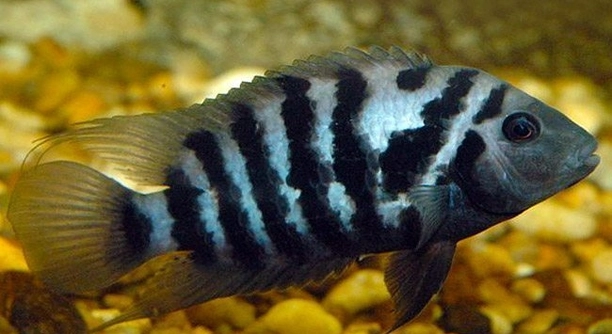
African cichlids are colorful fish that many people enjoy keeping in aquariums. These fish come from Africa’s lakes and rivers and have interesting behaviors. Learning more about them can make caring for them easier and more fun.
African cichlids display unique traits such as complex social structures, diverse coloration, and specialized breeding habits. These fish also adapt well to different environments and have distinct diets, which makes them fascinating subjects for study in both natural and aquarium settings.
Understanding these traits can help hobbyists create better homes for their cichlids and appreciate their natural beauty more deeply.
Unique Social Behavior of African Cichlids
African cichlids have complex social behaviors that make them stand out among aquarium fish. They often form hierarchies where dominant fish control territories and resources. These social groups affect their feeding, mating, and even color changes. For example, males often display brighter colors when competing for females or defending their space. Understanding these behaviors is important for anyone keeping cichlids because it helps prevent conflicts and stress in the tank. It also explains why some fish may behave aggressively or shy away from others. Observing their social interactions can be very rewarding, as it shows how they communicate without words. Tank setups should include enough hiding spots and territories to reduce fights and keep the group balanced. Watching these fish establish their roles can feel like seeing a small, natural society unfold in your own home.
Their social behavior influences how they should be cared for in captivity.
Recognizing social signals and territory needs helps create a stable environment, reducing aggression and improving fish health. A well-structured tank with enough space and decorations lets each fish find its place. This reduces stress and makes the fish more active and colorful. Many hobbyists notice fewer fights when they provide plenty of hiding spots. Also, knowing which species can live together avoids problems. Social understanding is key to keeping African cichlids happy and thriving in an aquarium setting.
Breeding and Reproduction Traits
African cichlids use interesting methods to protect their eggs and young.
They often carry eggs in their mouths to keep them safe from predators.
Mouthbrooding is a common breeding strategy where the female (or sometimes male) holds fertilized eggs in her mouth until they hatch. This protects the young from harm during their most vulnerable stage. Some species also guard their territory carefully during breeding, making sure no other fish come close. Breeding African cichlids requires attention to water quality, tank setup, and diet to encourage healthy offspring. Providing a stress-free environment with proper hiding spots increases the chances of successful breeding. The young fish are often kept separate from adults to avoid being eaten. Knowing these behaviors makes raising cichlids more manageable and rewarding, especially for those new to fish breeding. This reproductive care shows how evolved and protective these fish are in their natural environment.
Color Variation and Adaptation
African cichlids show a wide range of colors, which change depending on their environment and mood. Bright colors often signal dominance or readiness to mate.
Color variation helps these fish blend into their surroundings or warn rivals. Some species adjust colors quickly during fights or courtship. This ability also helps them avoid predators or attract mates. Environmental factors like water clarity and light impact their coloration, making it important to keep aquarium conditions stable. These changes are natural and give each fish a unique look that reflects its health and social status.
The color shifts can be subtle or dramatic, depending on the species and situation. Understanding how lighting and tank mates affect their colors helps keep cichlids vibrant and healthy. Many hobbyists find it rewarding to watch these changes as signs of their fish’s well-being.
Specialized Diet Needs
African cichlids have varied diets depending on their species and habitat. Some are herbivores, while others are carnivores or omnivores.
Feeding them the right diet is essential to avoid health issues. For herbivores, algae and plant-based foods work best. Carnivorous cichlids need protein-rich diets, including insects or small fish. Omnivores require a balanced mix of both. Overfeeding or improper food can cause water quality problems and health decline.
Providing variety in their diet supports their natural behaviors and keeps them active. It’s important to research each species’ needs and adjust feeding habits accordingly. Supplements like vitamins or occasional live food also improve their health and coloration. Meeting these specialized diet requirements helps maintain a thriving aquarium.
Habitat Preferences
African cichlids prefer rocky environments with plenty of hiding spots. These areas help reduce stress and aggression.
Providing caves, stones, and crevices in the aquarium mimics their natural habitat and promotes healthy behavior.
Water Conditions and Maintenance
Maintaining the right water conditions is crucial for African cichlids’ health. They thrive in slightly alkaline water with a pH between 7.8 and 8.6. The water should be kept clean, well-filtered, and oxygen-rich. Regular water changes help remove waste and prevent harmful bacteria buildup. These fish are sensitive to sudden changes in temperature or water chemistry, so stability is key. The ideal temperature range is between 75°F and 82°F (24°C–28°C). Monitoring water hardness and using a proper filtration system supports their well-being. Keeping these conditions consistent supports growth, color, and behavior.
Tank Size Recommendations
African cichlids need spacious tanks to thrive and reduce territorial disputes. A minimum of 30 gallons is recommended for smaller species, while larger ones require 55 gallons or more.
FAQ
How often should I feed my African cichlids?
Feeding African cichlids once or twice a day is usually enough. Overfeeding can cause water quality issues and lead to health problems. Give them only as much food as they can eat in about three minutes. Watching their eating habits helps adjust the amount and avoid waste. Variety in diet keeps them healthy, but portion control is key to preventing obesity and pollution in the tank.
Can different species of African cichlids live together?
Some species can live together if their temperaments and sizes match. However, many cichlids are territorial and aggressive, especially males during breeding. Providing plenty of hiding places and space reduces conflicts. Researching compatibility before adding new fish is important. Avoid mixing highly aggressive species with peaceful ones. Keeping similar species or those from the same lake often works better for harmony.
What causes aggression in African cichlids?
Aggression usually comes from territorial behavior, especially among males. Crowding, lack of hiding spots, or insufficient space can increase fights. Stress and poor water quality also make fish more aggressive. Separating aggressive fish or adding more decorations can help. In some cases, reducing the number of males lowers aggression. Understanding their social needs and environment keeps aggression manageable.
How do I tell if my cichlids are healthy?
Healthy cichlids swim actively, eat well, and show bright colors. Their fins should be intact without damage or clamping. Clear eyes and normal breathing are good signs. Watch for signs of illness like lethargy, spots, or unusual swimming patterns. Early detection of problems helps with treatment. Maintaining good water quality and diet supports health.
What is the best way to breed African cichlids in captivity?
Provide a stress-free tank with appropriate hiding spots and clean water. Separate males and females before breeding to reduce stress. Once ready, allow the pair to mate and protect their eggs or fry. Mouthbrooders need quiet, calm surroundings during this time. Feeding them high-quality food increases chances of success. Removing aggressive fish and isolating fry can improve survival rates.
Do African cichlids need special lighting?
Lighting affects their color and behavior but doesn’t need to be intense. Moderate, natural-like lighting is best. Too much light can stress fish or cause algae growth. Using a timer keeps light consistent, mimicking day and night cycles. Proper lighting helps maintain their natural rhythms and vibrant colors.
Can African cichlids live without rocks and caves?
Rocks and caves are very important for these fish because they provide shelter and reduce stress. Without them, cichlids may become more aggressive and hide less. These structures help create territories and safe spaces, which support natural behavior. A bare tank is usually not suitable for their needs.
How long do African cichlids usually live?
With proper care, African cichlids can live between 5 to 10 years. Factors like diet, tank conditions, and stress affect their lifespan. Regular maintenance and a healthy environment help them live longer. Avoiding overcrowding and disease also improves longevity.
What common diseases affect African cichlids?
Common issues include ich, fin rot, and bacterial infections. These are often caused by poor water quality or stress. Symptoms include white spots, torn fins, or lethargy. Quarantining new fish and maintaining clean water help prevent diseases. Early treatment with medication is important for recovery.
Is it necessary to cycle the tank before adding African cichlids?
Yes, cycling the tank before introducing cichlids is crucial. This process establishes beneficial bacteria that break down harmful waste. Adding fish to an uncycled tank can lead to toxic ammonia and nitrite spikes, harming the fish. Patience during cycling ensures a healthy environment for your cichlids to thrive.
Final Thoughts
African cichlids are fascinating fish that bring a lot of color and life to any aquarium. They are not only beautiful but also interesting because of their unique behaviors and social structures. Understanding their needs, such as proper diet, water conditions, and tank setup, is important for keeping them healthy and happy. These fish show a lot of personality, which makes caring for them a rewarding experience. Whether you are new to fish keeping or have some experience, learning about African cichlids can deepen your appreciation for these amazing creatures.
Caring for African cichlids requires attention to detail and patience. They need clean, well-maintained water with the right pH and temperature. Providing enough space and hiding places helps reduce aggression and stress among the fish. Their diet should match their natural eating habits, with some needing more plant-based food and others needing protein. Watching their behavior and colors gives clues about their health and comfort. When kept properly, African cichlids can live long and thrive, showing off their bright colors and active nature.
Overall, keeping African cichlids is a satisfying hobby that combines beauty with nature’s complexity. These fish teach patience and care while offering a glimpse into how animals interact in their natural environments. By providing the right conditions and learning about their behaviors, you can create a peaceful and vibrant aquarium. This helps both the fish and the owner enjoy the experience. With time and effort, African cichlids become more than just pets—they become living examples of nature’s diversity and resilience.

Hello,
If you enjoy the content that we create, please consider saying a "Thank You!" by leaving a tip.
Every little bit helps us continue crafting quality advice that supports the health, happiness, and well-being of pets around the world, for pets of all shapes, sizes, and species.
We really appreciate the kindness and support that you show us!