
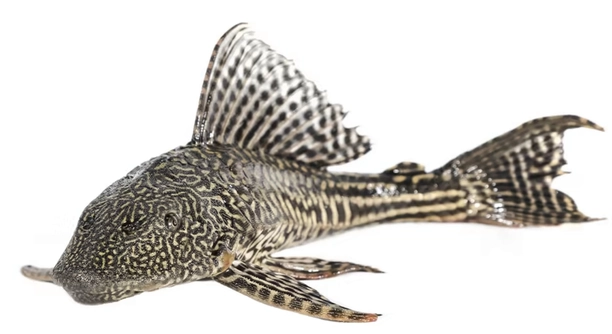
Feeding plecos is essential for their health, but they often need more than just algae wafers. A balanced diet with a variety of foods ensures they remain active and well-nourished.
Plecos can benefit from a variety of foods, including vegetables, fruits, and proteins. Offering options like cucumber, zucchini, and shrimp can help supplement their diet and provide the nutrients they need to thrive.
These alternatives will add diversity to your pleco’s meals, keeping them healthy and happy in your aquarium.
Vegetables: A Pleco’s Essential Nutrient Source
Vegetables should be a regular part of your pleco’s diet. Zucchini, cucumber, and spinach are great options for offering them essential vitamins and minerals. These foods are also soft and easy to digest, providing your pleco with fiber that helps maintain a healthy digestive system. Just make sure to remove any uneaten vegetables to avoid water contamination.
If your pleco enjoys leafy greens, try offering blanched spinach or lettuce. These vegetables provide hydration and nutrients that are crucial for their well-being.
Keep in mind that not all vegetables are suitable for plecos. Avoid starchy foods like potatoes, as they can cause digestive issues. Introduce vegetables gradually to ensure they are well received.
Protein-Rich Options for Plecos
Protein is essential for plecos, as it supports their growth and energy.
Shrimp, earthworms, and fish flakes high in protein are good additions. These foods provide important amino acids and promote healthy muscle development in your pleco.
Fruits: Plecos Enjoy the Sweetness
Fruits like apples, pears, and melons can be a tasty treat for plecos. They provide natural sugars and hydration, making them a great snack option. However, they should be given in moderation to avoid excess sugars.
Peeled fruits are easier for plecos to consume. Try slicing apples or pears into small, manageable pieces. Melons like watermelon are also a good option, especially during warmer months when hydration is crucial. Just be sure to remove any seeds, as they may be a choking hazard.
Though fruit offers variety in their diet, it shouldn’t replace the core of their meals. Offer fruits once or twice a week alongside other foods to keep them balanced and healthy.
Commercial Pleco Foods
Commercial foods, like pellets or wafers, are convenient and nutritious for plecos.
These foods often contain a mix of plant matter, protein, and fiber, which can supplement their natural diet. Look for high-quality products that list ingredients like spirulina and other algae-based compounds. This ensures that your pleco is getting the right balance of nutrients.
Snails: A Fun and Protein-Packed Meal
Adding snails to your pleco’s diet can provide an exciting, protein-rich option. Snails are high in nutrients that can promote healthy growth. Be sure to choose small, freshwater snails that won’t overwhelm your pleco’s feeding habits.
You can offer snails whole or crushed, depending on your pleco’s preference. Snails provide both protein and calcium, helping to support your pleco’s health.
Freshwater Shrimp: A Pleco’s Favorite Snack
Freshwater shrimp are another excellent choice for plecos. These shrimp offer a protein boost and can be given live, frozen, or freeze-dried.
These shrimp are small enough for plecos to consume quickly, providing them with essential nutrients. Shrimp also support healthy growth and enhance the color of your pleco, giving them a vibrant appearance.
FAQ
What vegetables are best for plecos?
Plecos enjoy a variety of vegetables, such as zucchini, cucumber, spinach, and lettuce. These vegetables are rich in fiber and nutrients, making them easy to digest. It’s best to blanch or lightly cook them to soften their texture, which helps plecos consume them more easily. Always remove any uneaten portions after a few hours to prevent water contamination.
Can plecos eat fruits?
Yes, plecos can eat certain fruits, but in moderation. Apples, pears, and melons are great choices. These fruits provide natural sugars and hydration. Be sure to remove the seeds, as they can be harmful. Fruits should not replace the main diet but can be offered as an occasional treat.
How often should I feed my pleco?
Plecos are generally nocturnal, feeding mostly at night. You should feed your pleco once or twice a day, offering small amounts of food. Overfeeding can lead to water quality issues, so it’s better to feed in smaller portions. Ensure any uneaten food is removed within a few hours.
Can plecos eat shrimp?
Yes, freshwater shrimp are a great addition to your pleco’s diet. They provide a good source of protein and calcium. Shrimp can be offered live, frozen, or freeze-dried. Plecos enjoy them as a snack, and it helps with their muscle and bone health. Make sure the shrimp is small enough for the pleco to eat.
Is it safe to feed my pleco algae wafers every day?
Algae wafers are a convenient and nutritious option for plecos, but they shouldn’t be their sole food source. While plecos thrive on algae, offering a variety of food options ensures a more balanced diet. You can feed algae wafers every day, but supplement them with vegetables, fruits, and protein-rich foods for optimal health.
Are there any foods plecos should avoid?
There are a few foods that plecos should avoid. Stay away from starchy vegetables like potatoes, as they can cause digestive issues. Additionally, avoid feeding plecos citrus fruits, dairy products, and processed human foods. These can harm their digestive system and overall health.
What is the best protein source for plecos?
For plecos, high-protein foods such as shrimp, earthworms, and high-quality fish flakes are excellent choices. Protein supports healthy growth and helps maintain energy levels. These options should be offered alongside their regular plant-based foods to ensure a balanced diet. Frozen or freeze-dried options work well.
Can I feed my pleco fish flakes?
Yes, plecos can eat fish flakes, but ensure they are high in plant-based ingredients. Look for fish flakes designed specifically for herbivores or omnivores, as these will provide the necessary nutrients for your pleco. Flakes should be given in moderation as a supplement to their primary diet.
How do I know if my pleco is overfed?
Overfeeding your pleco can lead to poor water quality and health problems. Signs of overfeeding include uneaten food in the tank, cloudy water, and sluggish behavior from the pleco. To avoid overfeeding, offer small portions and remove any uneaten food after a few hours.
Can I feed my pleco live plants?
Yes, plecos can eat certain live plants. They often nibble on soft plants like java fern or water lettuce. However, they shouldn’t be entirely dependent on plants for nutrition. While they may help clean up the tank, providing a variety of foods is necessary to meet their nutritional needs.
Can I feed my pleco canned vegetables?
Canned vegetables, while convenient, are not the best choice for plecos. They often contain preservatives and salt, which can harm your pleco’s health. If you do use canned vegetables, make sure to rinse them thoroughly to remove any added chemicals. Fresh or frozen vegetables are the safer option.
How can I prevent my pleco from eating my tank plants?
Plecos are known to nibble on plants, but some species are more plant-damaging than others. To prevent excessive plant-eating, provide plenty of alternative foods like algae wafers, vegetables, and protein sources. If they still munch on plants, try placing harder plants in their tank or using plant protectors.
Do plecos eat algae naturally?
Yes, plecos are natural algae eaters. In the wild, they graze on algae found on rocks, driftwood, and other surfaces in their habitat. Providing them with algae wafers is an easy way to supplement their natural diet, but it should be balanced with other food sources to avoid nutritional deficiencies.
What are the best foods for plecos in a community tank?
In a community tank, plecos do well with a mix of vegetables, fruits, and protein. Offer them a variety of foods that won’t compete with other fish. Algae wafers, blanched zucchini, and small shrimp are good options. Avoid feeding live foods that may cause aggression or territorial behavior.
Final Thoughts
Feeding plecos a varied and balanced diet is essential for their health. While algae wafers are a common choice, they should not be the only food offered. Providing a mix of vegetables, fruits, protein-rich options, and commercial foods ensures your pleco gets the necessary nutrients. By offering a variety of foods, you can help keep your pleco active, healthy, and well-nourished.
It’s important to remember that plecos are primarily nocturnal and may prefer to eat at night. To accommodate this, feed your pleco small portions throughout the day, adjusting based on their behavior and appetite. Avoid overfeeding, as it can lead to water contamination and health issues. Always monitor your pleco’s eating habits to ensure they are consuming a balanced diet. Uneaten food should be removed promptly to prevent water quality problems.
In conclusion, understanding what plecos need in their diet is key to their long-term health. While algae wafers can be a convenient and nutritious food, they should be part of a varied diet that includes fresh vegetables, fruits, and protein-rich options. Offering a mix of foods will not only keep your pleco healthy but will also provide enrichment in their diet. Regularly evaluate their eating habits to ensure they are receiving the right balance of nutrients for optimal growth and well-being.

Hello,
If you enjoy the content that we create, please consider saying a "Thank You!" by leaving a tip.
Every little bit helps us continue crafting quality advice that supports the health, happiness, and well-being of pets around the world, for pets of all shapes, sizes, and species.
We really appreciate the kindness and support that you show us!