
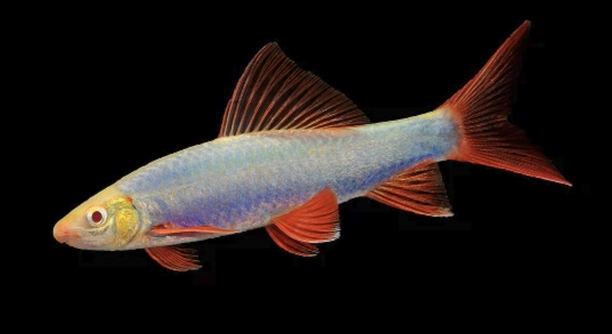
Rainbow sharks are popular freshwater fish known for their striking appearance and active behavior. Many owners want to provide the best care to keep their fish healthy and happy. Understanding key care aspects can improve their well-being significantly.
Improving your rainbow shark’s life involves providing proper tank conditions, balanced nutrition, suitable tank mates, and regular maintenance. Ensuring optimal water quality and enrichment activities reduces stress and promotes natural behaviors, leading to a longer, healthier life for your fish.
These simple steps can make a big difference in your rainbow shark’s daily experience and overall health. The following points will guide you through practical ways to enhance their environment.
Create the Right Tank Environment
Rainbow sharks need space to swim and hide. A tank of at least 30 gallons is necessary to give them room to explore. Use a soft substrate like sand or smooth gravel to protect their sensitive undersides. Adding plenty of plants, rocks, and caves will offer shelter and reduce stress. Keep the water temperature between 74°F and 80°F and maintain a pH level around 6.5 to 7.5. Regular water changes are essential to keep the water clean and free from harmful chemicals. Proper filtration helps maintain oxygen levels and removes waste. Avoid overcrowding the tank, as it can lead to aggression and poor water quality. Setting up the tank correctly will create a comfortable and safe home for your rainbow shark, encouraging natural behavior and reducing health problems.
Maintaining a stable, clean environment helps your rainbow shark thrive and stay active over time.
Proper tank setup ensures a stress-free habitat where your rainbow shark can live comfortably, swim freely, and avoid common health issues.
Feed a Balanced Diet
Rainbow sharks are omnivores that need a mix of protein and plant-based foods. Offer high-quality sinking pellets as the main diet. Supplement their meals with live or frozen foods like bloodworms, brine shrimp, or daphnia. Including vegetables such as blanched spinach or zucchini supports their health. Avoid overfeeding to prevent water pollution and obesity. Feed small amounts two to three times daily, only what they can consume within a few minutes. Variety in their diet promotes growth and vibrant coloration. A balanced diet strengthens their immune system and keeps them active. Providing the right nutrition is key to their longevity and well-being.
Fish often refuse food if tank conditions are poor or if they are stressed. Watching their eating habits can reveal potential health issues early.
Watching your rainbow shark’s diet closely and offering variety will keep them energetic and reduce the risk of illness over time.
Choose Compatible Tank Mates
Rainbow sharks can be territorial, especially with similar species. Avoid keeping them with other bottom dwellers that share the same space. Peaceful, fast-swimming fish like tetras or barbs are better companions. Providing enough hiding spots helps reduce aggression. Careful selection of tank mates prevents stress and injuries.
Aggression often arises when rainbow sharks feel crowded or threatened. Keeping only one shark per tank and choosing species that swim in different areas minimizes conflicts. Observing fish behavior regularly allows early detection of problems and adjustment of tank arrangements.
Adding peaceful, non-aggressive fish encourages a balanced community. Well-chosen tank mates make the aquarium environment more dynamic and less stressful for your rainbow shark.
Maintain Regular Tank Cleaning
Regular cleaning prevents harmful toxin buildup and keeps the water quality high. Remove leftover food and debris to avoid ammonia spikes. Partial water changes of about 20% weekly are recommended to maintain cleanliness. Consistent cleaning promotes fish health and clear water. Neglecting tank maintenance increases disease risk.
Filter media should be rinsed in tank water to preserve beneficial bacteria. Avoid complete water changes as they disrupt the ecosystem. Testing water parameters like ammonia, nitrite, nitrate, and pH helps ensure a safe environment. Consistency in maintenance routines keeps the tank stable and reduces stress on your fish.
Keeping the tank clean and balanced is essential to avoid illness and promote a healthy, vibrant aquarium where your rainbow shark can thrive.
Monitor Water Parameters
Regular testing of water parameters is crucial to keep the tank safe. Ammonia and nitrite levels should always be zero. Nitrate should be kept low to prevent stress. pH levels must remain stable within the recommended range for rainbow sharks.
Using test kits weekly helps catch problems early. Sudden changes in water chemistry can harm your fish quickly, so stay consistent with checks and adjustments.
Provide Proper Lighting
Rainbow sharks prefer moderate lighting that mimics their natural environment. Too much bright light can cause stress and hide behavior. Using a timer to maintain a consistent day-night cycle supports their health.
Avoid Overcrowding
Keeping fewer fish reduces competition and stress. Overcrowding often leads to aggression and poor water quality, which harms rainbow sharks.
Enrich Their Environment
Adding plants, decorations, and hiding spots keeps your rainbow shark active and less stressed. Variety in the tank environment promotes natural behaviors.
How often should I feed my rainbow shark?
Feeding your rainbow shark two to three times a day with small amounts is ideal. Offer only what they can eat in about two minutes to avoid leftover food that pollutes the tank. Overfeeding can lead to poor water quality and health issues.
Can rainbow sharks live with other fish?
Yes, but tank mates must be chosen carefully. Rainbow sharks are territorial and may be aggressive toward bottom dwellers or similar-looking fish. Peaceful, fast-swimming fish like tetras or barbs are better companions. Provide plenty of hiding spots to reduce conflicts.
What tank size is best for a rainbow shark?
A minimum of 30 gallons is recommended. This size provides enough space for swimming and territory. Larger tanks help reduce aggression and improve water quality stability. Avoid overcrowding to keep your fish healthy and stress-free.
What water temperature do rainbow sharks need?
They thrive between 74°F and 80°F. Maintaining this range supports their metabolism and immune system. Use a reliable heater and thermometer to keep the temperature stable and consistent.
How important is water filtration?
Filtration is crucial to keep water clean and oxygenated. It removes waste and toxins that can harm your fish. A good filter also supports beneficial bacteria essential for breaking down harmful substances. Clean or replace filter media regularly without disturbing the bacteria too much.
Why is my rainbow shark hiding so much?
Hiding can indicate stress, poor water quality, or aggression from tank mates. Make sure the tank environment has enough shelters and the water parameters are stable. Reducing bright lighting and overcrowding also helps your fish feel more secure.
What should I do if my rainbow shark shows signs of illness?
Signs include loss of appetite, clamped fins, lethargy, or unusual spots. Test water quality immediately and perform a partial water change. Isolate the fish if possible and consult an aquatic vet or experienced hobbyist for treatment advice.
Can I keep more than one rainbow shark in the same tank?
It’s generally not recommended. Rainbow sharks are territorial and usually fight if kept together in small tanks. In very large tanks with plenty of hiding places, it might be possible, but careful monitoring is essential.
How often should I clean the tank?
Perform partial water changes of about 20% every week. Remove debris and uneaten food regularly to prevent toxin buildup. Rinse filter media in tank water every month to maintain beneficial bacteria without losing them completely.
What plants work well with rainbow sharks?
Hardy plants like Java fern, Anubias, and Amazon sword are good choices. These plants provide shelter and improve water quality. Avoid delicate plants that may get uprooted by the shark’s activity.
How can I tell if my rainbow shark is stressed?
Signs include hiding, lack of appetite, rapid breathing, or aggression. Stress often comes from poor water conditions, overcrowding, or aggressive tank mates. Address these issues quickly to protect your fish’s health.
Is it necessary to have a dark substrate?
While not required, a darker substrate can help rainbow sharks feel more comfortable and display better colors. It also reduces reflections and light stress. Soft sand or smooth gravel is best to protect their undersides.
How long do rainbow sharks typically live?
With proper care, they can live 5 to 8 years. Maintaining good water quality, balanced nutrition, and a stress-free environment greatly influences their lifespan. Regular observation helps catch health issues early.
What type of food should I avoid?
Avoid feeding only flakes or foods high in fillers. These can lack proper nutrition. Also, stay away from large live feeder fish, which might introduce diseases. Focus on sinking pellets, vegetables, and occasional live or frozen treats.
Can rainbow sharks jump out of the tank?
Yes, they can jump if startled or stressed. Keeping a tight-fitting lid on the tank prevents accidents. Make sure the tank cover allows enough air circulation but stops fish from jumping out.
Are rainbow sharks nocturnal?
They are mostly active during the day but can show activity in low light as well. Providing a regular light cycle helps regulate their behavior and keeps them healthy.
What is the best way to acclimate a new rainbow shark?
Float the sealed bag in the tank water for about 15 to 20 minutes to equalize temperature. Then slowly mix small amounts of tank water into the bag over 30 minutes before releasing the fish. This reduces stress and helps them adjust safely.
Do rainbow sharks need a special diet during breeding?
Breeding in home aquariums is rare and difficult. However, if breeding, increase protein intake and provide live foods to support health and spawning behavior. Maintaining excellent water quality is critical during this period.
How can I reduce aggression in a community tank?
Provide plenty of hiding places and break up sight lines to reduce territorial disputes. Avoid keeping more than one rainbow shark together unless the tank is very large. Select peaceful tank mates and maintain proper stocking levels.
What signs indicate poor water quality?
Cloudy water, unpleasant odors, and sudden fish behavior changes signal poor water conditions. Regular testing for ammonia, nitrite, nitrate, and pH helps prevent problems. Acting quickly improves fish survival and tank stability.
Is it okay to keep rainbow sharks alone?
Yes, they can live happily alone if provided with enough space and enrichment. Solitary life can reduce stress related to aggression or competition. A well-maintained environment keeps them healthy and active.
Final thoughts on caring for your rainbow shark focus on maintaining a stable and healthy environment. These fish thrive best when their basic needs are met consistently. Providing a properly sized tank with clean water, suitable temperature, and good filtration forms the foundation of their well-being. Regular water testing and maintenance reduce risks of illness and stress. A stable environment encourages natural behaviors, helping your rainbow shark stay active and healthy for many years.
Feeding your rainbow shark a balanced diet is equally important. Combining quality sinking pellets with occasional live or frozen foods ensures they receive necessary nutrients. Including some plant matter supports their digestive health and coloration. Avoiding overfeeding protects water quality and prevents obesity. Feeding small portions multiple times a day mimics natural feeding habits and keeps your fish energetic. Monitoring their eating habits can also reveal early signs of health problems, allowing timely action.
Lastly, consider the social and physical aspects of their habitat. Rainbow sharks can be territorial, so selecting compatible tank mates and providing enough hiding spots reduces aggression. Plants, rocks, and caves create a stimulating environment that enriches their daily life. Proper lighting and a secure tank cover contribute to their comfort and safety. These details, combined with attentive care and observation, ensure your rainbow shark lives a longer, happier life. Keeping these points in mind will help you enjoy a thriving aquarium.

Hello,
If you enjoy the content that we create, please consider saying a "Thank You!" by leaving a tip.
Every little bit helps us continue crafting quality advice that supports the health, happiness, and well-being of pets around the world, for pets of all shapes, sizes, and species.
We really appreciate the kindness and support that you show us!