
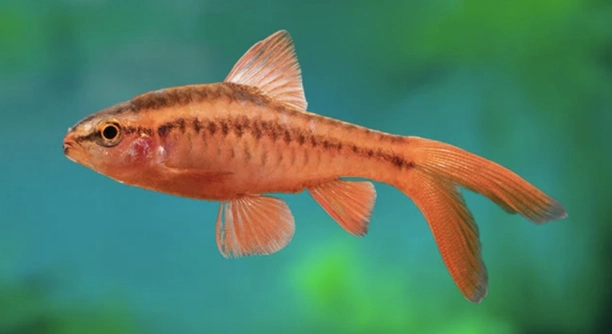
Maintaining a healthy aquarium for your barb fish is essential for their overall well-being. These fish require proper care to thrive in their environment, and small changes can make a big difference in their health.
To improve the health of your barb tank, consider adding features that enhance water quality, provide proper nutrition, and create a suitable environment for your fish. Filtration, plants, and varied foods are key elements that support healthy fish and a balanced ecosystem.
Implementing these changes will help create a thriving tank environment, promoting better health and longevity for your barb fish.
Proper Filtration: A Key to Clean Water
A clean tank is the foundation of a healthy aquarium. Proper filtration is essential for maintaining water quality, as it removes toxins, debris, and harmful substances. Without a good filtration system, your barbs may suffer from poor water quality, leading to stress and potential health issues. A filter helps keep the water oxygenated and reduces harmful buildup in the tank.
When selecting a filter, make sure it’s appropriate for the size of your tank and the needs of your barbs. There are different types of filters, including sponge filters, hang-on-back filters, and canister filters. Choose one that suits your setup and maintains water clarity. Regular maintenance of the filter, such as cleaning and replacing filter media, ensures it works efficiently.
Investing in a good filtration system will not only improve the water quality but also create a more stable environment for your barbs. Proper filtration promotes healthy fish, reduces the risk of disease, and helps maintain the overall balance of the tank.
Adding Live Plants
Live plants benefit your barbs by providing shelter, improving water quality, and offering a more natural environment.
Adding plants like Java Fern or Anubias can help reduce excess nutrients and promote healthy growth in your tank. Plants also improve oxygen levels and give barbs a place to hide when they feel stressed or threatened.
Proper Diet for Barbs
Feeding your barbs a varied diet is essential for their health. A mix of high-quality flake food, pellets, and occasional live or frozen food will help meet their nutritional needs.
Barbs are omnivores, meaning they benefit from both plant-based and protein-rich foods. Offer them a mix of vegetables like spinach or peas, alongside protein-rich options like bloodworms, brine shrimp, or daphnia. Providing a balanced diet keeps them healthy, boosts their immune system, and supports vibrant colors. Always ensure the food is appropriately sized for their mouths to prevent choking or digestive issues.
Overfeeding should be avoided, as it can lead to water pollution. A good rule of thumb is to feed only what they can consume in 2-3 minutes. Remove any uneaten food promptly to prevent it from decaying in the tank.
Maintaining Stable Water Temperature
Barbs thrive in a stable water temperature. Sudden temperature fluctuations can cause stress and make them more susceptible to diseases.
Investing in a reliable heater helps maintain consistent temperatures. For barbs, aim for a water temperature between 75°F and 80°F (24°C to 27°C). Make sure to check the temperature regularly with a thermometer. Sudden drops or increases in temperature can cause shock, weaken their immune system, and even lead to death.
Regular Water Changes
Frequent water changes are crucial for keeping your barb tank healthy. Changing 25-30% of the water every 1-2 weeks helps remove toxins and keeps the water clean.
Use a gravel vacuum to remove debris from the substrate while performing water changes. This also prevents waste buildup, which can lead to poor water quality. Be sure to treat tap water with a dechlorinator before adding it to the tank. Consistency is key to maintaining a stable environment for your barbs.
Avoiding Overcrowding
Overcrowding can cause stress and lead to aggressive behavior.
Make sure your tank has enough space for each fish to swim freely. Barbs need room to move around and establish territories. A general rule is one inch of fish per gallon, but be mindful of their size when they mature.
FAQ
What is the ideal water temperature for barbs?
The ideal water temperature for barbs is between 75°F and 80°F (24°C to 27°C). It’s important to keep the temperature consistent, as sudden changes can stress the fish and make them more vulnerable to disease. A reliable heater and thermometer can help maintain the proper range.
How often should I feed my barbs?
Feed your barbs 1-2 times a day, giving them only what they can consume in a few minutes. Overfeeding can cause excess waste in the tank and affect water quality. It’s important to offer a variety of foods, such as flake food, pellets, and live or frozen options.
Can barbs live with other fish?
Barbs are generally peaceful but can be territorial, especially during breeding. They can live with other peaceful fish, but avoid aggressive species or fish that are too slow. Good tank mates include tetras, danios, and gouramis. Always monitor interactions to prevent stress or bullying.
Do barbs need a filter?
Yes, barbs need a filter to maintain water quality. A filter removes debris, toxins, and waste from the water, preventing harmful buildup. Without a filter, the water can quickly become toxic, leading to health problems for your fish. Regular maintenance of the filter is also necessary to ensure its effectiveness.
How big do barbs grow?
Barbs can grow between 2 and 4 inches, depending on the species. The most common type, the Tiger Barb, typically reaches 2.5 inches. However, some larger species, like the Tinfoil Barb, can grow up to 14 inches. It’s important to provide enough space in the tank for them to grow comfortably.
What plants are good for a barb tank?
Plants like Java Fern, Anubias, and Amazon Sword are great choices for a barb tank. These plants provide shelter, improve water quality, and give the fish places to hide if they feel stressed. Barbs tend to nibble on plants, so choose hardy species that can withstand light grazing.
How can I reduce stress in my barbs?
Stress in barbs is often caused by poor water quality, overcrowding, or aggressive tank mates. Ensure the water parameters are stable, provide enough space, and avoid keeping them with overly aggressive fish. Adding plants and decorations can also create hiding spots, making them feel more secure.
Can I breed barbs in my aquarium?
Yes, barbs can breed in aquariums. To encourage breeding, maintain optimal water conditions, including a temperature of 78°F to 80°F. Set up a breeding tank with fine-leaf plants where the female can lay eggs. After spawning, remove the parents, as they may eat the eggs. The fry should be fed infusoria or finely crushed flakes until they grow larger.
What is the lifespan of barbs?
Barbs typically live between 5 and 7 years when properly cared for. Some species, like the Tiger Barb, can live up to 10 years with the right environment and diet. Consistent water changes, a balanced diet, and a stable environment help them live a long, healthy life.
Why is my barb losing color?
Loss of color in barbs can indicate stress, poor water quality, or illness. Ensure the water is clean, temperature is stable, and the tank is not overcrowded. Stress from bullying by tank mates can also cause fading colors. In some cases, illness or parasites can affect coloration.
Can barbs live in freshwater and saltwater?
Barbs are freshwater fish and should not be kept in saltwater. Saltwater can be harmful to their health, causing dehydration and stress. Always ensure your tank is properly maintained as a freshwater setup to support your barbs’ health and well-being.
Final Thoughts
Taking care of barbs in your aquarium requires attention to several key factors that can significantly improve their health and well-being. Maintaining a clean and stable environment is essential. Proper filtration, regular water changes, and maintaining the right temperature can go a long way in ensuring your barbs thrive. These small but crucial steps help prevent disease and stress, creating a comfortable and safe space for your fish to grow.
Barbs are active and colorful fish that bring life to any tank. By feeding them a balanced diet, offering them plenty of space, and keeping tank mates in mind, you can create a harmonious environment for them to thrive. Adding plants to the tank not only improves water quality but also provides natural hiding places, which can reduce stress and give your fish a sense of security. This helps them maintain their vibrant colors and active behavior.
Caring for barbs is an ongoing process that requires regular attention to detail. Consistent monitoring of water quality, temperature, and fish behavior will help you spot any issues before they become serious. By following these guidelines and making adjustments as needed, you can ensure that your barbs live long, healthy, and happy lives. With the right care, barbs will continue to brighten your tank with their lively presence.

Hello,
If you enjoy the content that we create, please consider saying a "Thank You!" by leaving a tip.
Every little bit helps us continue crafting quality advice that supports the health, happiness, and well-being of pets around the world, for pets of all shapes, sizes, and species.
We really appreciate the kindness and support that you show us!