
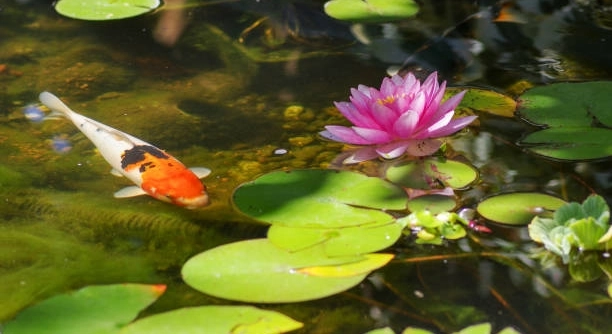
Adding new fish to your aquarium can be exciting but requires care. It’s important to understand the basics before introducing new aquatic life. Taking proper steps helps keep your fish healthy and the tank balanced.
When adding new fish, monitoring water quality, temperature, compatibility, quarantine, feeding habits, stress levels, and tank environment are essential factors. These elements ensure the new fish adjust well and reduce risks of disease or conflict within the aquarium.
Knowing what to watch for makes the whole process easier and safer. This guide will help you understand the key points for a smooth fish introduction.
Water Quality and Temperature
Maintaining good water quality is one of the most important things when adding new fish. Before introducing any new fish, check the water parameters like pH, ammonia, nitrites, and nitrates. These must be within safe levels for the species you have. Temperature is also crucial because fish come from different climates. Sudden changes in temperature can shock the fish and lead to illness. Make sure your tank water is stable and matches the needs of the new fish. Testing kits are easy to use and will help you keep track. Regular water changes also keep the environment clean and healthy for all fish in the tank.
Keeping water quality high prevents stress and disease. Proper temperature control ensures the new fish feel comfortable and settle in quickly.
Taking time to acclimate fish slowly to the tank water can make a big difference. You can float the bag with the new fish in the aquarium to equalize temperature before releasing them. This reduces the risk of shock and helps fish adjust more calmly.
Fish Compatibility
Fish species differ in behavior and requirements. Some fish are peaceful, while others can be aggressive or territorial. It’s important to research whether your new fish will get along with those already in the tank. Introducing a fish that is too aggressive or too shy may cause problems. Compatibility also includes size and diet. Larger fish might bully smaller ones, and different diets can create feeding conflicts. Choosing fish with similar temperaments and environmental needs is key to a peaceful tank. When in doubt, ask a knowledgeable source or read trusted guides on fish compatibility to avoid trouble later.
Quarantine New Fish
Quarantining new fish is essential to prevent diseases from spreading. It gives you time to observe them before adding to the main tank.
Setting up a separate quarantine tank allows you to monitor the new fish closely. Watch for signs of illness like spots, unusual swimming, or lack of appetite. Treat any problems early to avoid infecting other fish. Quarantine also helps the new fish adjust to water conditions without stress from tank mates. This step might feel like extra work, but it’s worth it to keep your main aquarium healthy and balanced.
Quarantine usually lasts two to four weeks. During this time, maintain good water quality and provide proper nutrition. If the fish show no signs of illness, they are ready for introduction. Skipping quarantine risks bringing diseases that can be hard to treat once inside your main tank.
Feeding Habits
New fish often have different feeding habits than your current ones. Observing what and how they eat helps avoid competition or malnutrition.
It’s important to provide the right type of food for the new fish’s species and size. Some fish prefer flakes, others pellets, or live foods. Feeding them separately at first can reduce stress and ensure they get enough nutrition. Overfeeding causes water quality problems, so be careful with amounts. You may also need to adjust feeding times to match all your fish’s needs. Proper feeding supports healthy growth and keeps fish active and happy in their new home.
Stress Levels
Stress weakens fish and makes them prone to disease. Watching for signs of stress is important when adding new fish.
Common signs include hiding, loss of appetite, or rapid gill movement. Reducing stress helps fish settle in faster and stay healthy.
Tank Environment
A well-prepared tank environment supports new fish comfortably. Make sure decorations, plants, and hiding spots match their needs.
New fish need places to explore and feel safe. Avoid overcrowding the tank, as it can increase stress and aggression.
Observation
Watch your new fish carefully during the first days. Early detection of problems can prevent serious issues later.
Check how they interact with other fish and note any unusual behavior. Quick action can save your fish from harm.
How long should I quarantine new fish before adding them to my main tank?
Quarantine time typically ranges from two to four weeks. This period allows you to watch for diseases or parasites that might not be obvious immediately. Some illnesses take time to show symptoms, so patience is important. If the fish stay healthy and active during quarantine, they are usually safe to add to your main aquarium.
What signs of stress should I look for in new fish?
Look for hiding behavior, loss of appetite, rapid or heavy breathing, and erratic swimming patterns. These signs often indicate the fish is feeling stressed. Stress weakens the immune system and can lead to illness. Early recognition allows you to adjust tank conditions or provide extra care to help the fish settle.
How do I know if my fish are compatible?
Compatibility depends on fish temperament, size, diet, and environmental needs. Peaceful species generally do better together, while mixing aggressive fish with shy ones can cause conflicts. Researching each species’ behavior and preferences helps avoid trouble. When adding new fish, choose species with similar requirements for the best harmony.
Can I add multiple fish at once, or should I add them one at a time?
It’s usually better to add new fish one or two at a time. Adding too many at once can overwhelm your filtration system and make it harder to monitor individual health. Smaller introductions reduce stress on existing fish and give you a chance to observe how newcomers adapt before adding more.
What is the best way to acclimate new fish to my tank water?
Float the sealed bag with the new fish in your tank for 15-20 minutes to match temperature. Then, slowly add small amounts of tank water into the bag every 5-10 minutes over an hour. This gradual change helps the fish adjust to water chemistry, reducing shock when you finally release them.
How often should I test my tank water when adding new fish?
Testing water daily for at least the first week after adding new fish is a good practice. Monitor parameters like pH, ammonia, nitrites, and nitrates closely. New fish can cause shifts in water chemistry, so frequent testing helps catch problems early and keep the tank safe for everyone.
What types of food should I feed new fish?
Feed new fish the food recommended for their species—flakes, pellets, frozen, or live food. Offer small amounts to avoid leftover food that can foul the water. Feeding separately at first helps ensure they eat well without competition. Gradually, you can return to the regular feeding routine with the rest of your fish.
How do I prevent aggression when adding new fish?
Provide plenty of hiding spots and visual barriers in the tank. Adding new fish during feeding time can sometimes distract territorial fish. Avoid placing new fish in a tank with known aggressive species. Observing interactions closely in the first few days allows you to separate fish if necessary.
What should I do if a new fish gets sick after introduction?
Isolate the sick fish in a quarantine tank if possible. Test water quality and make sure tank parameters are stable. Treat the fish with appropriate medication based on symptoms. Acting quickly can prevent the spread of illness to other fish. Consult a vet or expert if you’re unsure about treatment.
Is it normal for new fish to hide for several days?
Yes, it’s common for new fish to hide as they adjust to their new environment. Hiding helps them feel safe while they become familiar with the tank. If hiding continues for more than a week or is accompanied by other signs of illness, further observation or action may be needed.
How can I reduce stress when adding fish to a busy or established tank?
Turn down bright lights and keep noise to a minimum during introduction. Adding new fish when the tank is calm helps reduce stress. Using a net or cup gently, avoiding sudden movements, and giving fish time alone before releasing them into the tank improves their comfort.
Why do new fish sometimes refuse to eat?
Refusing food is often a sign of stress or adjustment. New fish might feel overwhelmed by their surroundings or by tank mates. Providing familiar food and feeding in quieter spots can encourage eating. If refusal lasts more than a few days, check water quality and look for illness signs.
Can changes in water temperature affect new fish?
Yes, temperature changes can shock fish and cause stress or illness. Fish need time to adjust to the temperature of their new home. Matching the quarantine tank and main tank temperatures closely before transfer is important to avoid sudden shifts.
How do I know when new fish are fully settled?
New fish are usually settled when they swim actively, eat well, and interact normally with tank mates. They stop hiding and show natural behaviors typical for their species. This can take days to weeks, depending on the fish and tank conditions.
What are the risks of skipping quarantine?
Skipping quarantine increases the risk of introducing diseases and parasites to your main tank. Illnesses can spread quickly and be difficult to control once inside the established aquarium. Quarantine helps protect all your fish by catching problems early before they become serious.
Are there special considerations for adding delicate or rare fish?
Delicate or rare fish often need extra care during introduction. This includes slower acclimation, careful quarantine, and ideal water conditions. Researching their specific needs and avoiding overcrowding will give these fish the best chance to thrive. Sometimes, professional advice is helpful for rare species.
Adding new fish to an aquarium takes careful planning and attention. It is important to prepare the tank properly and keep a close eye on water quality, temperature, and the behavior of your fish. Taking small steps, like quarantining new arrivals and acclimating them slowly, can make a big difference in their health and comfort. These precautions help prevent common problems such as stress and disease, which can harm both the new and existing fish.
Watching how your fish interact is also key. Fish can be sensitive to changes, and some species may not get along well. Knowing which fish are compatible will help you maintain a peaceful environment. Providing enough space, hiding spots, and suitable food supports their well-being. Stress often comes from overcrowding or aggression, so it is best to introduce new fish gradually and observe their behavior closely. Adjustments to the tank setup or separating fish may be needed to keep peace.
Ultimately, patience and observation are your best tools when adding new fish. The process takes time, but careful monitoring ensures your fish stay healthy and happy. Every tank is different, so learning about your fish’s specific needs will help you create a stable and balanced home for them. With proper care, adding new fish can be a rewarding experience that brings more life and color to your aquarium.

Hello,
If you enjoy the content that we create, please consider saying a "Thank You!" by leaving a tip.
Every little bit helps us continue crafting quality advice that supports the health, happiness, and well-being of pets around the world, for pets of all shapes, sizes, and species.
We really appreciate the kindness and support that you show us!