
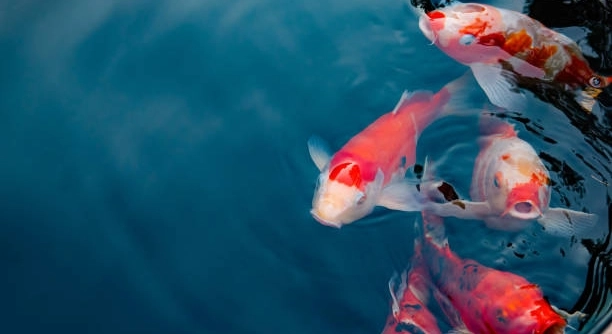
Are your koi acting differently or showing signs that something might be wrong in their pond environment? Small changes in behavior, appetite, or appearance can mean more than they seem at first glance.
Koi may show signs of illness through changes in swimming patterns, appetite, coloration, or skin condition. Recognizing these early signs can help prevent serious health problems and allow for quicker, more effective treatment.
Spotting these warning signs early can help keep your koi safe, healthy, and active throughout the year.
Changes in Swimming Behavior
When koi become sick, their swimming behavior is often one of the first things to change. Healthy koi move smoothly through the water, usually with a steady and balanced rhythm. But if you notice your koi swimming erratically, floating near the surface for long periods, hanging around the bottom, or isolating from the rest of the group, it could be a sign of stress or illness. These behaviors may indicate problems like poor water quality, infections, or even internal organ issues. It’s important to monitor them closely and compare their current movement to how they usually behave.
If just one fish is acting strangely, it may be sick. But if several are showing signs, check the water quality immediately.
When koi start behaving differently, it usually means something is bothering them physically. By paying attention to even small changes, you can act quickly to improve their condition or environment before things get worse. Always trust what you observe.
Loss of Appetite
A koi that refuses to eat is often trying to tell you something is wrong. This behavior is easy to spot during feeding times.
Loss of appetite in koi can stem from several causes, including water temperature changes, poor water quality, internal infections, or stress from overcrowding or environmental shifts. Sometimes, they may avoid food due to parasites or bacterial infections affecting their digestive system or causing general discomfort. If the water is too cold, koi may naturally eat less, but if temperatures are normal and they’re still not eating, it’s time to look deeper. Start by testing water parameters such as ammonia, nitrite, and pH levels. Observe the fish closely for other symptoms like bloating, sluggishness, or discoloration. If nothing changes after adjusting water conditions, consult a vet who specializes in fish health. It’s important not to ignore a koi that stops eating for more than a day or two, as it could lead to further health decline.
Visible Spots or Wounds
If you notice white spots, red sores, ulcers, or frayed fins on your koi, it’s often a sign of infection or injury. These markings don’t heal on their own and usually mean the fish needs attention quickly.
Spots and wounds can come from parasites, bacterial infections, or injuries caused by sharp pond edges or aggressive tank mates. Ich, a common parasite, shows as small white dots, while ulcers or red sores may signal bacterial issues. If untreated, these can spread and cause serious problems. Affected koi may scratch against objects or isolate themselves. Start by checking water quality and removing sharp decorations. If symptoms continue, you may need to treat the pond with medications specific to the issue. Act fast—early treatment usually leads to quicker recovery.
Even minor wounds can become dangerous if ignored. Koi don’t heal well in poor water or under stress. Regular checks help you spot trouble before it becomes harder to manage.
Gasping at the Surface
When koi gather at the surface and gasp for air, it’s often a sign of low oxygen levels in the water or gill damage. This should be checked right away to prevent lasting harm.
Begin by measuring the dissolved oxygen levels, especially during hot weather or when algae are present. High temperatures reduce oxygen, and algae blooms can deplete it at night. Adding an air pump or increasing surface movement can help. But if oxygen levels are normal, consider gill parasites, which make it hard for fish to breathe. Gill flukes are common and often go unnoticed until the fish begin showing distress. Treatment involves antiparasitic medication, but it’s also important to reduce stress and keep the pond clean. If left too long, gasping can lead to severe health issues. Acting quickly not only helps your koi feel better but also prevents the problem from affecting others in the pond.
Clamped Fins
Clamped fins look tight and folded against the body, rather than open and relaxed. This is a common sign of stress or illness, often linked to water problems, parasites, or bacterial infections.
When koi hold their fins tightly, it usually means they don’t feel well. This can happen suddenly or develop over time, especially if the water quality drops or the pond gets too cold.
Flashing or Scratching
Flashing means the koi quickly rub or flash their bodies against rocks or the pond floor. This behavior usually signals skin irritation caused by parasites, poor water conditions, or early infection.
It’s important to act quickly when you see this. Recheck ammonia, nitrite, and pH levels to rule out irritation from water issues. If the water is fine, the problem might be skin parasites like flukes or ich. These need proper treatment to avoid spreading or worsening. Flashing koi may do it repeatedly, especially in the evening or early morning when oxygen levels dip and parasites are more active. Catching this sign early can help prevent more serious issues later, especially if you also notice other symptoms like redness or clamped fins.
Sitting at the Bottom
Laying still at the bottom for long periods is not normal for healthy koi. It may mean your fish is tired, sick, or dealing with poor water conditions.
What causes koi to become sick?
Koi can become sick for many reasons. Poor water quality is one of the main causes. High ammonia, nitrite, or nitrate levels, wrong pH, or low oxygen all stress fish and make them vulnerable to illness. Parasites, bacteria, and fungi are common in ponds, especially when water conditions aren’t ideal. Stress from overcrowding, sudden temperature changes, or poor diet also weakens koi’s immune system. Injuries from sharp pond decorations or aggressive tank mates can lead to infections if left untreated. Keeping the pond clean, balanced, and stable helps prevent most illnesses.
How can I tell if my koi has parasites?
Parasites often cause unusual behavior like flashing, scratching, or rubbing against surfaces. You might see tiny white spots, redness, or frayed fins. Koi may also gasp at the surface if gills are affected. Parasites can be hard to spot directly, but sudden changes in behavior combined with physical symptoms are a strong sign. Regular water testing and observation help catch parasites early. If you suspect parasites, treatment usually involves antiparasitic medications, but it’s important to follow dosage instructions carefully to avoid harming your fish or beneficial pond life.
How often should I test my pond water?
Testing pond water at least once a week is a good practice, especially during warmer months when water conditions change quickly. Testing helps you catch issues like ammonia spikes or pH swings early. After heavy rain or adding new fish, it’s wise to test more often. Keeping records of your water tests helps identify trends and prevent problems. Reliable test kits for ammonia, nitrite, nitrate, pH, and oxygen are essential tools for any koi keeper.
What should I do if my koi stops eating?
First, check the water temperature and quality. Koi naturally eat less in cold water but should resume when it warms up. If water parameters are stable and the koi still refuses food, look for other signs like spots, bloating, or unusual swimming. Illness or parasites could be causing loss of appetite. Isolate the affected fish if possible to monitor closely. Try feeding high-quality, easy-to-digest food, and consider consulting a vet if the problem lasts more than a few days.
Can stress cause koi to get sick?
Yes, stress weakens koi’s immune system and makes them more likely to get sick. Causes of stress include poor water quality, overcrowding, sudden temperature changes, rough handling, and aggressive pond mates. Even changes in lighting or excessive noise can stress koi. Minimizing stress by keeping stable water conditions and providing enough space helps your fish stay healthy and recover faster if illness occurs.
Is it normal for koi to sit at the bottom of the pond?
Occasionally resting at the bottom is normal, especially at night or in cooler temperatures. But if a koi spends long periods lying still or appears sluggish, it can be a sign of illness or poor water quality. Check for other symptoms like clamped fins, loss of appetite, or unusual breathing. Improving water quality and reducing stress often helps koi recover from this behavior.
How can I prevent koi diseases?
Maintaining good water quality is key. Regularly test and adjust water parameters, perform partial water changes, and avoid overfeeding. Keep the pond clean by removing debris and dead plants. Quarantine new fish before adding them to your pond to avoid introducing diseases. Providing a balanced diet and enough space reduces stress. Finally, observe your koi daily for early signs of illness and act quickly if you notice anything unusual.
When should I call a vet for my koi?
If your koi show persistent symptoms like loss of appetite, visible wounds, unusual swimming, or breathing problems that don’t improve after basic pond care, it’s time to consult a vet. A specialist can diagnose specific infections or diseases and recommend proper treatment. Early professional help can prevent more serious health issues or loss of fish. Don’t wait too long if symptoms worsen or multiply.
Taking care of koi fish requires close attention to their behavior and environment. These beautiful creatures are sensitive to changes in water quality, temperature, and stress levels. When koi show signs of illness, such as unusual swimming, loss of appetite, or visible spots, it means they need help. Catching these signs early is important because koi can quickly become more sick if the problem is not addressed. Regular observation helps spot small changes before they become serious issues. This allows for timely action to keep your fish healthy.
Maintaining a clean and balanced pond environment is one of the best ways to prevent sickness. Water quality plays a major role in koi health, so testing your pond regularly for ammonia, nitrite, nitrate, and pH levels is necessary. It is also important to avoid overcrowding and provide proper filtration and aeration. Feeding koi the right type and amount of food supports their immune system and overall well-being. When the pond conditions are stable, koi are less likely to get stressed or develop infections.
When koi do get sick, knowing the warning signs can help you take steps quickly. Treating problems early and consulting experts when needed can save your fish from serious harm. Illness in koi is rarely a sudden event; it usually starts with small signs that grow worse over time. By staying attentive and proactive with your pond care, you can enjoy healthy, active koi for years. Your efforts will create a safer and more comfortable home for these special fish.

Hello,
If you enjoy the content that we create, please consider saying a "Thank You!" by leaving a tip.
Every little bit helps us continue crafting quality advice that supports the health, happiness, and well-being of pets around the world, for pets of all shapes, sizes, and species.
We really appreciate the kindness and support that you show us!