
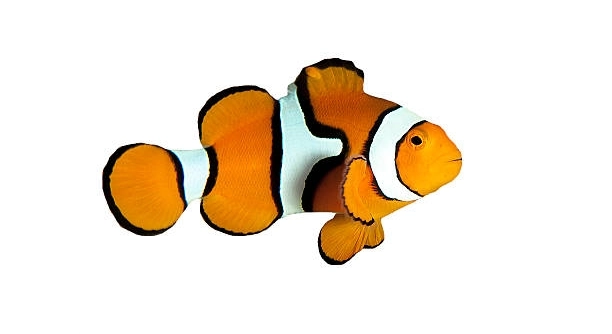
Introducing clownfish to a new tank requires careful attention to several important factors. Proper acclimation ensures their health and helps them adapt smoothly to their new environment. Understanding what to watch for during this process can prevent common problems.
Successful clownfish introduction depends on monitoring water parameters, tank mates, and behavior closely. Stress reduction, gradual acclimation, and avoiding aggression are essential to promote their well-being and integration into the aquarium environment.
Knowing these key points will help you support your clownfish through a safe and healthy introduction to their new home.
Water Quality and Temperature
Maintaining stable water quality and temperature is crucial when introducing clownfish. Sudden changes in water conditions can stress the fish and lead to illness. Ensure the new tank water matches the parameters of the original environment, especially temperature, salinity, and pH. Using a reliable water testing kit can help track these factors. It’s best to avoid adding clownfish if the tank has recently undergone major changes or treatments. Keep ammonia, nitrite, and nitrate levels as low as possible to prevent toxic buildup. Regular water changes and filtration play important roles in keeping the environment healthy. Slowly acclimating clownfish to the tank water by using a drip acclimation method reduces shock. This process gives the fish time to adjust to minor differences in chemistry. Paying close attention to water quality reduces the risk of stress and disease during introduction.
Water temperature should be steady between 75 and 82°F to support clownfish health. Fluctuations can cause distress and weaken their immune systems.
Introducing clownfish into a stable, well-maintained tank environment greatly increases their chances of adapting without health problems. Monitoring water quality and temperature closely during the first few days is essential to their smooth adjustment.
Behavior and Tank Mates
Observing clownfish behavior closely after introduction can reveal early signs of stress or aggression. Signs like hiding, erratic swimming, or loss of appetite indicate the fish may be uncomfortable. Clownfish can sometimes be territorial, especially if the tank is crowded or there are aggressive species present. It’s important to select compatible tank mates that won’t bully or stress the clownfish. Peaceful species like gobies or blennies typically coexist well with clownfish. Introducing new fish slowly and providing plenty of hiding spaces helps reduce conflicts. Avoid keeping multiple clownfish in very small tanks as territorial disputes may arise. Careful monitoring during the first week allows adjustments to tank conditions or stocking to ensure peaceful coexistence. Ensuring the clownfish are eating regularly and exploring their environment is a good sign of settling in.
Behavioral changes often indicate how well the clownfish are adapting. Early intervention prevents long-term stress.
Creating a calm tank environment encourages natural behavior and reduces fighting. Adding plenty of coral, rocks, or artificial shelters provides space for clownfish to claim as their territory, lowering tension. Selecting compatible species based on temperament avoids unnecessary aggression. Introducing fish gradually while observing interactions can help maintain balance in the tank community. Feeding schedules should be consistent to reduce competition and ensure clownfish receive proper nutrition. These steps create a supportive environment that promotes clownfish comfort and health over time.
Acclimation Process
Acclimating clownfish slowly is essential to reduce stress. The drip method is the most effective way to introduce them to new water conditions gradually. Avoid rushing this process to protect their health.
The drip acclimation method involves placing the clownfish in a container with water from their original tank. Then, slowly adding small amounts of new tank water over an hour or more allows the fish to adjust. This helps prevent sudden changes in water chemistry, temperature, or salinity that can shock the fish. A steady drip rate controlled with tubing or a valve ensures a gradual mix of the two water sources. Keeping the container covered and shaded during this time reduces stress from light and movement. Patience during acclimation reduces the chance of shock or illness after transfer.
After completing acclimation, gently release the clownfish into the tank without flushing them directly. This helps them settle in calmly. Observing their behavior after release provides insight into how well the transition went. If the fish seem agitated or hide excessively, consider extending acclimation time in the future.
Feeding and Nutrition
Proper feeding supports clownfish health during introduction and beyond. Providing a balanced diet with varied food types helps them build strength and immunity. Feeding small amounts multiple times a day encourages natural feeding habits.
A diet for clownfish should include high-quality flakes or pellets designed for marine fish. Supplementing with frozen or live foods like brine shrimp or mysis shrimp provides essential nutrients and protein. Avoid overfeeding, which can pollute the tank and stress the fish. Monitor their appetite and adjust feeding amounts accordingly. Fresh, nutrient-rich food supports growth and helps clownfish maintain vibrant coloration. Maintaining a consistent feeding schedule creates routine, which reduces stress during introduction. Nutrition is a key factor in their ability to adapt to a new environment smoothly and resist illness.
Introducing feeding gradually after acclimation ensures the clownfish are eating well. If they refuse food initially, offer different types or feed in smaller portions to stimulate appetite. Clean any leftover food promptly to maintain water quality.
Tank Size and Space
Adequate tank size is important for clownfish comfort. A minimum of 20 gallons is recommended to reduce territorial aggression and provide enough swimming space.
Providing ample space helps clownfish establish territories without constant conflict. Overcrowding increases stress and can lead to health problems.
Lighting Conditions
Proper lighting supports the natural behavior and health of clownfish. Moderate lighting that mimics their natural reef environment is ideal.
Too much light can cause stress, while too little can affect their activity levels. Using adjustable lighting helps maintain a balanced environment.
Hiding Places
Clownfish need plenty of hiding spots to feel secure. Rocks, corals, and artificial shelters create safe areas within the tank.
These hiding places reduce stress and encourage natural behavior, especially during the initial introduction period.
FAQ
How long does it take for clownfish to settle in?
Clownfish typically begin to settle within a few days after introduction, but full adjustment can take up to two weeks. During this time, they may hide or stay still as they get used to the new environment. Patience is important.
Can clownfish live with other fish?
Yes, clownfish can coexist with many peaceful species. Avoid aggressive or overly large fish that may bully them. Suitable tank mates include gobies, blennies, and some damselfish. Introducing fish slowly helps reduce conflicts.
What should I do if clownfish show aggression?
Some aggression is natural, especially when establishing territory. Providing enough space and hiding spots reduces this behavior. If aggression becomes severe, separating the fish or rearranging the tank layout can help ease tensions.
How often should I feed clownfish?
Feeding small amounts two to three times daily is best. This keeps their metabolism steady and prevents overfeeding, which can affect water quality. Variety in diet supports overall health.
Is it necessary to quarantine new clownfish?
Quarantining new clownfish before adding them to the main tank is recommended. It helps prevent disease introduction. A separate quarantine tank for two to four weeks allows observation for any illness or parasites.
What water parameters are ideal for clownfish?
Maintain temperature between 75-82°F, pH between 8.0-8.4, and salinity around 1.020-1.025 specific gravity. Ammonia and nitrite levels should always be zero, with nitrates kept low through regular maintenance.
How do I know if my clownfish is stressed?
Signs include hiding excessively, rapid breathing, loss of appetite, and erratic swimming. Stress often results from poor water quality, aggressive tank mates, or sudden changes. Identifying stress early helps prevent health issues.
Can clownfish live without anemones?
Yes, clownfish can live happily without anemones if their tank environment is well-maintained. While they naturally associate with anemones in the wild, they will adapt to other hiding places and shelters in captivity.
What is the best way to introduce clownfish to a tank?
Use the drip acclimation method to gradually adjust the clownfish to new water conditions. Avoid pouring them directly into the tank to reduce shock. Monitor their behavior closely during the first few days.
Why is my clownfish not eating?
Loss of appetite can be caused by stress, illness, or poor water conditions. Offering a variety of foods and ensuring proper tank parameters can help. If the problem continues, consider consulting an aquatic specialist.
Can I keep multiple clownfish in one tank?
Multiple clownfish can be kept together if the tank is large enough and provides enough hiding spots. However, territorial disputes may occur, especially among males or if space is limited.
What should I do if my clownfish shows signs of disease?
Isolate the affected fish in a quarantine tank to prevent spread. Maintain good water quality and seek advice on appropriate treatments. Early intervention improves chances of recovery.
How important is lighting for clownfish health?
Lighting affects their natural behavior and coloration. Use moderate lighting that simulates their natural reef environment. Avoid harsh or inconsistent lighting to reduce stress.
Can clownfish change sex?
Yes, clownfish are protandrous hermaphrodites. The dominant male can change into a female if the current female dies. This natural process helps maintain their social structure in the tank.
How do I maintain water quality for clownfish?
Regular water testing and partial water changes keep ammonia, nitrite, and nitrate levels safe. Use a good filtration system and avoid overfeeding to reduce waste buildup. Clean the tank regularly.
Introducing clownfish to a new tank can be a rewarding experience when done carefully and thoughtfully. Paying attention to important factors like water quality, acclimation, and tank mates helps ensure the fish adjust well and stay healthy. Taking time to observe their behavior during the first days allows for early detection of any issues that might arise. This approach reduces stress for the fish and improves their chances of thriving in their new environment.
Proper preparation is essential before bringing clownfish home. Ensuring the tank is stable, water parameters are within ideal ranges, and suitable hiding places are available creates a supportive setting for the fish. Gradual acclimation, such as using the drip method, helps avoid sudden shocks caused by changes in temperature or water chemistry. Feeding them a balanced diet and monitoring their eating habits also contributes to a smooth transition. Overall, these steps build a foundation for long-term success and happiness for clownfish in the aquarium.
Keeping clownfish healthy requires ongoing attention beyond the introduction phase. Regular maintenance like water testing, tank cleaning, and monitoring fish interactions remains necessary to prevent problems. Understanding their natural behaviors and needs helps in providing the right care and avoiding unnecessary stress. While clownfish are hardy fish, they still depend on a well-maintained environment and thoughtful husbandry. Following these practices supports their well-being and allows you to enjoy watching these colorful fish thrive in your home tank.

Hello,
If you enjoy the content that we create, please consider saying a "Thank You!" by leaving a tip.
Every little bit helps us continue crafting quality advice that supports the health, happiness, and well-being of pets around the world, for pets of all shapes, sizes, and species.
We really appreciate the kindness and support that you show us!