
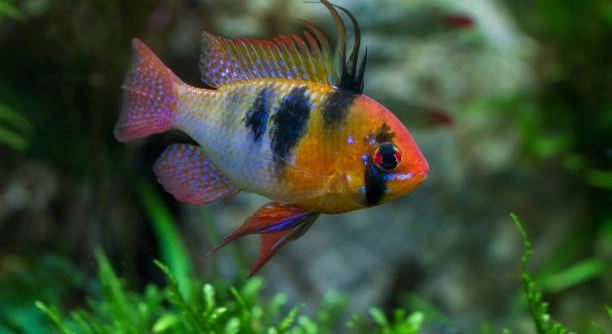
Do you ever notice tiny fry swimming around but feel unsure about which items in the tank might harm them? New fry can be delicate, and even small objects or creatures can affect their growth and survival in subtle ways.
After fry are born, it is essential to remove potential hazards from the tank. This includes adult fish that may eat them, sharp decorations, uneaten large food, strong water currents, chemical contaminants, and objects that can trap fry.
Keeping the tank safe requires attention to these small but critical details, ensuring your young fish have a strong start in life.
Removing Adult Fish from the Fry Tank
Adult fish can pose a serious threat to newly hatched fry. Even peaceful species may eat fry out of instinct. Moving adults to a separate tank ensures the young have space to swim, eat, and grow without constant stress. It also reduces competition for food, allowing fry to get proper nutrition. Keeping fry safe during their first few weeks significantly increases survival rates. It may feel inconvenient to rearrange tanks, but this small step prevents unnecessary losses. Observing fry without adults around allows you to notice any health issues early. Proper separation creates a calmer environment, making feeding easier and water maintenance less stressful.
Separating adults helps maintain a stable and safe environment for fry to thrive, free from predation and constant disturbance.
When adults are removed, fry show better growth and activity levels. They explore more, eat more efficiently, and develop stronger swimming habits. The tank environment becomes easier to manage, reducing stress for all fish. Overcrowding is avoided, which helps maintain water quality. Fry are delicate, and even minor injuries can become fatal if adults are present. By creating a dedicated space, you give the young fish the best start possible. Clear water, gentle filtration, and hiding spaces further enhance safety. Over time, these early precautions result in healthy, active fish ready to join the main tank once they are larger and stronger. Proper planning ensures fewer losses and a more enjoyable experience raising your fry.
Removing Uneaten Food
Uneaten food can quickly pollute the water, affecting fry health.
Leftover food decomposes, causing ammonia and nitrite spikes that are harmful to fry. Regularly removing excess prevents water quality issues and reduces the risk of disease. Using small, frequent feedings minimizes waste and ensures fry can eat everything offered. Observing how much fry consume helps adjust portions. Even tiny particles can make a difference in a small tank. A clean tank promotes healthy growth, better activity, and stronger immune systems. Developing a routine for food removal keeps the environment consistent, lowering stress and promoting survival rates. Avoiding leftover food also discourages unwanted algae growth, keeping the tank visually clean and easier to manage. Proper feeding and cleanup habits early on make maintenance simpler and more effective over time, ensuring your fry remain healthy and active.
Sharp Decorations and Rocks
Sharp decorations can injure delicate fry easily. Even small scrapes can lead to infections or slowed growth, so removing jagged objects keeps the tank safe. Smooth surfaces and soft hiding spots work best.
Fry are tiny and fragile, often brushing against anything in their path. Sharp rocks, broken shells, or rough ornaments can cut fins or skin. Injuries may not heal quickly and can open the door to bacterial or fungal infections. Smooth decorations reduce risk and allow fry to swim freely without fear. Plants, soft moss, or rounded pebbles provide safe hiding spaces while encouraging natural behavior. Simple changes in tank setup prevent unnecessary injuries. Observing fry interactions with their environment helps identify any remaining hazards that need adjustment. Over time, safer decorations support stronger growth and healthier fish.
Even seemingly minor snags can stress fry, slowing their development. Choosing soft, rounded tank items ensures they explore safely. Rounded pebbles, smooth ceramic caves, and soft plants create a secure environment. Fry can move, hide, and feed without risk, which improves activity levels and reduces mortality. Regularly inspecting decorations for sharp edges or cracks further ensures safety. The goal is a calm, injury-free tank where fry can grow steadily. Minimizing risks from physical objects complements other care practices, like feeding and water maintenance. With consistent attention, the tank remains a secure place for fry to develop strong, healthy bodies.
Strong Water Currents
Strong water currents can overwhelm fry, making swimming and feeding difficult. Gentle flow is crucial to prevent exhaustion and stress.
Fry have weak swimming abilities and can be pushed against tank walls or decorations by high currents. Over time, this constant struggle can weaken their bodies and stunt growth. Adjusting filters or using flow deflectors reduces water speed. Low current allows fry to move naturally, reach food easily, and maintain proper orientation in the tank. Even slight adjustments in filter placement can dramatically improve comfort. Observing fry behavior helps identify areas where water flow may be too strong. Calm water also supports proper feeding patterns, as fry can eat without being swept away.
Calm currents create a safer and more stable environment. Fry expend less energy swimming and can focus on eating and growing. Strong currents can trap fry in corners or push them into objects, risking injury. Softening water flow promotes healthy development, better feeding efficiency, and reduced stress. Adjusting equipment or adding obstacles to diffuse flow helps maintain gentle circulation. Fry in calmer water show more active behavior and improved survival rates. Proper flow management ensures a balanced ecosystem where fry thrive without unnecessary strain, making daily care easier and more effective.
Chemical Contaminants
Chemicals in the tank can harm fry quickly. Avoid adding medications, cleaning agents, or untreated tap water. Always check that water conditioners are safe for young fish.
Even small amounts of contaminants can cause stress, slowed growth, or death. Using properly treated water and minimal additives keeps fry healthy and supports strong development.
Large Objects That Can Trap Fry
Large decorations or dense plants may trap fry, making it hard for them to swim freely. Avoid objects with narrow gaps or tight spaces. Fry need open areas to move safely and access food without getting stuck.
Aggressive Tank Mates
Aggressive fish can attack or intimidate fry, causing injury or death. Removing aggressive species prevents unnecessary stress and ensures fry grow in a calm environment.
How soon should I remove adult fish after fry are born?
Adult fish should be removed immediately after fry hatch. Even species that are normally peaceful may eat fry out of instinct. Removing adults right away ensures the young have a safe environment to swim, feed, and grow without constant danger.
What types of decorations are safe for fry?
Smooth, rounded decorations are best. Soft plants, moss, and ceramic caves work well. Avoid jagged rocks, broken shells, or anything with sharp edges. Safe decorations allow fry to explore, hide, and rest without risking cuts or injuries. Observing how fry interact with objects helps ensure safety.
How often should uneaten food be removed?
Uneaten food should be removed daily, especially in small fry tanks. Leftover food decomposes quickly, leading to ammonia spikes that harm fry. Using small, frequent feedings reduces waste and keeps the water clean. Removing leftover food also discourages algae growth.
How can I tell if the water current is too strong?
If fry are constantly pushed to one side of the tank or struggle to reach food, the current is too strong. Adjust filter flow or use flow deflectors to create calmer water. Fry need gentle currents to swim, eat, and rest without stress.
Are all adult fish dangerous to fry?
Not all adults are aggressive, but even peaceful species may eat fry. Predatory instincts or curiosity can put fry at risk. Separating adults during the first weeks of fry life greatly increases survival rates and allows fry to grow without constant fear.
What should I do if fry get trapped in decorations?
Check the tank daily for tight gaps or spaces where fry can get stuck. Remove or rearrange large objects to prevent trapping. Fry trapped in decorations may become stressed, injured, or die if not rescued quickly. Safe, open spaces are essential.
How do I prevent chemical contamination in fry tanks?
Always use dechlorinated water and avoid unnecessary medications or cleaners. If treatment is required, ensure it is safe for young fish. Small concentrations of chemicals can be fatal to fry, so prevention is better than treatment. Regular testing of water parameters helps maintain safety.
Can I mix fry of different ages in the same tank?
Mixing fry of different ages is not recommended. Larger fry may outcompete smaller ones for food or even eat them. Keeping fry of the same age together ensures equal access to nutrition and reduces stress, helping all fry grow evenly.
How important is hiding space for fry?
Hiding spaces are very important. Small plants, moss, and soft decorations provide shelter, reduce stress, and allow fry to rest safely. Open swimming areas are also necessary, so balance hiding spots with space to move and feed.
How can I monitor fry health effectively?
Observe fry daily for active swimming, regular feeding, and clear, uninjured bodies. Lethargy, faded color, or missing fins can indicate stress or illness. Proper tank setup, clean water, and safe decorations support strong, healthy fry. Early detection helps prevent serious problems.
Is frequent water change necessary for fry tanks?
Yes, regular water changes help maintain clean, safe conditions. Fry are sensitive to toxins and waste buildup. Partial water changes every few days prevent ammonia and nitrite spikes, promote growth, and reduce the risk of disease.
How long should fry stay separate from adult fish?
Fry should remain in a separate tank until they are large enough to avoid being eaten. This depends on species, but usually a few weeks to a couple of months. Ensuring fry are strong and healthy before mixing reduces stress and mortality.
What is the best way to feed fry without leaving excess?
Feed small portions multiple times a day. Observe how much fry consume in a few minutes and remove any leftovers. Live foods, micro pellets, or crushed flakes are ideal. Careful feeding prevents water pollution and supports steady growth.
How do I safely rearrange decorations while fry are in the tank?
Move objects slowly and gently to avoid stressing or injuring fry. Keep some hiding spots accessible during adjustments. Monitoring fry while rearranging ensures they don’t get trapped or hurt by shifting decorations.
What signs indicate fry are stressed in their tank?
Fry that hide constantly, swim erratically, or fail to eat may be stressed. Stress can come from strong currents, aggressive tank mates, poor water quality, or sharp objects. Identifying and addressing these factors quickly improves survival and growth.
How often should I test water parameters for fry?
Testing should be frequent, ideally every few days. Monitor ammonia, nitrite, nitrate, and pH levels to prevent harmful spikes. Stable water quality is crucial, as fry are more sensitive than adult fish to environmental changes.
Are all plant types safe for fry?
Most soft plants are safe, but avoid dense or coarse plants with sharp edges. Moss, floating plants, and soft-leaved species provide shelter and reduce stress. Make sure there is enough open swimming space so fry are not trapped or overcrowded.
How can I make feeding time more effective for fry?
Feed small amounts directly in areas fry occupy. Avoid overfeeding, which pollutes water. Watch how fry eat and adjust portions. Frequent, measured feedings ensure all fry get nutrition without leaving excess that harms water quality.
Can I use artificial decorations instead of live plants for hiding?
Yes, smooth artificial decorations are fine as long as they are rounded and free of sharp edges. Combine with soft surfaces or moss to provide secure hiding spots. Avoid tight spaces where fry could get trapped.
What temperature is ideal for fry growth?
Maintain a stable temperature suited to your species. Sudden fluctuations can stress fry and slow development. Use a heater if needed, and monitor daily to ensure a safe, consistent environment for young fish.
How do I handle disease outbreaks in a fry tank?
Quarantine affected fry if possible and adjust water quality immediately. Use treatments specifically safe for fry. Preventing disease through clean water, safe decorations, proper feeding, and separation from adults is more effective than treating outbreaks.
Can I introduce new fry into an existing tank?
Introducing new fry to an established group is risky. Older fry may outcompete or harm younger ones. It is best to grow fry in dedicated tanks until they are large enough to safely join others.
How often should I clean the fry tank?
Partial water changes every few days and light cleaning of decorations and substrate prevent harmful buildup. Avoid disturbing fry too much. Consistent maintenance supports strong growth and reduces risk of disease.
Are live foods better than dry foods for fry?
Live foods are often easier for fry to eat and provide better nutrition. Micro worms, infusoria, and baby brine shrimp support healthy growth. Dry foods work if crushed finely, but live options usually improve survival rates and activity.
How do I gradually acclimate fry to adult fish?
Once fry are large and healthy, introduce them slowly. Monitor interactions and separate if aggression occurs. Gradual exposure reduces stress and ensures fry can compete for food and avoid harm.
Is it necessary to remove uneaten food immediately after feeding?
Yes, removing uneaten food prevents water contamination and ammonia spikes. Fry are sensitive to poor water quality, so cleaning leftovers right after feeding keeps the environment safe and supports healthy growth.
How can I tell if fry are ready to move to a larger tank?
Fry are ready when they swim confidently, eat efficiently, and are large enough to avoid being eaten by adult fish. Proper growth, activity, and health indicate they can safely transition to more open spaces.
What is the most common mistake in raising fry?
Overcrowding, strong currents, unsafe decorations, and poor feeding practices are common mistakes. These issues lead to stress, injuries, and disease. Addressing these factors early ensures higher survival and healthier fry.
How do I make sure fry get enough nutrition?
Feed small portions frequently and offer a variety of suitable foods. Observe feeding behavior to ensure all fry eat. Balanced nutrition supports steady growth, stronger immune systems, and better overall health.
Can fry survive in tap water without treatment?
Untreated tap water can contain chlorine, chloramines, or heavy metals, which are harmful to fry. Always condition water before use. Treating water prevents stress, illness, and unnecessary mortality.
How do I keep track of multiple fry groups?
Use separate tanks or containers and label them by age or species. Regular monitoring of each group’s growth, feeding, and behavior ensures no fry are neglected and reduces stress caused by overcrowding.
What are the signs of a healthy fry tank?
Clear water, active swimming, regular feeding, and steady growth indicate a healthy tank. Minimal stress and no injuries show the environment is safe. Regular checks and maintenance sustain these conditions consistently.
How often should I rearrange hiding spots?
Rearranging can be done occasionally but gently. Avoid frequent changes that stress fry. Adjust only if fry are getting trapped or overcrowded, ensuring a safe, comfortable environment.
Is it necessary to separate fry by size?
Yes, separating smaller fry from larger ones prevents competition for food and reduces the risk of larger fry harming smaller ones. Groups of similar size grow more evenly and experience less stress.
Can I use gravel in a fry tank?
Fine, smooth substrate is safe, but avoid coarse or sharp gravel that can injure fry. Bare-bottom tanks are easier to clean, but soft substrate can provide shelter and improve comfort for the young fish.
How can I prevent fungus or bacterial infections in fry?
Maintain clean water, remove uneaten food, and avoid injuries from sharp objects. Quarantine sick fry and use safe treatments. Early detection and prevention are key to keeping fry healthy.
What is the ideal lighting for fry tanks?
Moderate lighting supports plant growth and helps fry see food. Avoid intense or flickering lights, which stress fry. Consistent, gentle lighting maintains natural behavior and growth patterns.
How do I gradually introduce fry to live plants?
Start with soft, slow-growing plants that won’t trap fry. Introduce in small amounts and monitor interactions. Plants provide hiding spots and help maintain water quality without overwhelming young fish.
Can fry survive without hiding spaces?
They can survive, but hiding spaces reduce stress and prevent injuries. Soft plants and smooth decorations give fry security, encourage natural behavior, and support healthier growth.
How important is daily observation of fry?
Daily observation is crucial to catch early signs of stress, disease, or feeding problems. It allows adjustments to water, feeding, and tank setup before small issues become fatal. Consistent attention improves survival rates.
Should I remove fry from their tank for cleaning?
It’s usually better to clean the tank in place, gently removing water and debris. Moving fry can stress them. Use partial water changes and soft cleaning methods to maintain a safe environment.
Can I use floating plants to protect fry?
Yes, floating plants create shaded areas and reduce strong light or currents. They also provide extra hiding spots, helping fry feel secure while exploring and feeding.
How do I prevent overcrowding in a fry tank?
Separate fry into multiple tanks or containers if numbers are high. Overcrowding leads to poor water quality, competition for food, and stress. Adequate space supports healthy growth and reduces mortality.
What is the best way to transfer fry between tanks?
Use a small cup or net and move slowly to avoid stress. Keep water temperature and quality consistent. Gentle handling reduces risk of injury and shock during transfer.
How can I ensure all fry get food evenly?
Distribute small portions in multiple areas. Observe feeding to make sure smaller or weaker fry aren’t left behind. Rotating feeding spots encourages movement and equal access for all fry.
Can I use filter sponges in fry tanks?
Yes, fine sponge filters provide gentle water flow and biological filtration without sucking up fry. They are ideal for maintaining clean water while keeping fry safe.
What should I do if fry stop eating?
Check water quality, temperature, and possible stressors. Try offering live foods or smaller portions. Sudden refusal to eat may indicate illness or environmental issues that need immediate attention.
Is tank size important for fry growth?
Yes, adequate space reduces stress, improves water quality, and prevents overcrowding. Larger tanks support better swimming, feeding, and hiding opportunities, promoting healthier development.
How do I know when fry are ready for a community tank?
They should be strong, healthy, and large enough to avoid predation. Confident swimming, active feeding, and resilience to minor stress indicate readiness to join adult fish or a mixed community.
Can I use automatic feeders for fry?
Automatic feeders can work if calibrated carefully. Small, frequent feedings are necessary, so feeders must deliver tiny portions. Manual feeding is often safer to avoid overfeeding and water pollution.
How long does it take fry to grow strong enough for adults?
Growth rate depends on species, food, and care. Most fry need several weeks to a few months to develop size, swimming ability, and confidence to survive with adult fish. Proper feeding and safe conditions accelerate healthy growth.
What water parameters are ideal for fry?
Stable temperature, low ammonia and nitrite, moderate pH, and clean water are essential. Sudden changes or poor conditions stress fry and hinder growth. Regular testing and adjustments maintain a safe environment for development.
How can I safely introduce new decorations to fry tanks?
Clean and smooth new items thoroughly. Introduce gradually, keeping monitoring for any potential hazards. Ensure openings are wide enough and edges are safe to prevent trapping or injuries.
Are small live foods better than flakes for young fry?
Yes, small live foods like infusoria or baby brine shrimp are easier to eat and more nutritious. Flakes need to be finely crushed, and even then, live foods generally improve survival and growth.
Can fry survive without hiding spots?
They can, but hiding spaces reduce stress and prevent injuries. Providing soft plants or smooth decorations encourages natural behavior, protects weaker fry, and supports healthier growth.
What is the best way to acclimate fry to new water?
Gradually mix small amounts of new water over several hours. Sudden changes in temperature or chemistry can stress or kill fry. Slow acclimation helps them adjust safely.
How do I prevent aggressive behavior in mixed fry tanks?
Keep fry of similar size together, provide ample hiding spaces, and avoid overcrowding. Remove any overly aggressive fry immediately. Monitoring behavior reduces injuries and ensures fair access to food.
Is a bare-bottom tank better for fry?
Bare-bottom tanks are easier to clean and prevent trapping, but adding soft substrate or plants provides comfort and hiding spaces. The choice depends on maintenance preferences and fry species.
How often should I feed fry per day?
Feed multiple small portions, typically 3–6 times daily, depending on species. Small, frequent feedings ensure proper nutrition, reduce waste, and prevent water contamination.
Can fry survive in community tanks from birth?
It’s risky. Most adult fish will eat fry or outcompete them for food. Separating fry until they are strong enough greatly increases survival rates and reduces stress.
How do I know if fry are getting enough oxygen?
Active swimming and normal gill movement indicate adequate oxygen. Signs of low oxygen include gasping at the surface or lethargy. Fine sponge filters or gentle aeration maintain safe oxygen levels.
What are common mistakes that reduce fry survival?
Overcrowding, strong currents, leftover food, unsafe decorations, and poor water quality are common errors. Correcting these improves growth, reduces stress, and increases survival.
How do I handle sudden deaths in fry tanks?
Check water parameters immediately, remove any sick or dead fry, and inspect decorations for hazards. Rapid action prevents further loss and identifies underlying problems.
Can fry be raised without live plants?
Yes, as long as decorations are safe and water quality is maintained. Live plants add hiding spaces and support water stability but are not strictly necessary.
How important is consistency in fry care?
Consistency in feeding, water changes, and observation supports steady growth and reduces stress. Fry thrive in predictable, safe environments where care routines are maintained reliably.
What is the ideal pH for most fry?
Slightly neutral to mildly soft water, depending on species, usually works best. Extreme pH swings can stress or kill fry, so maintaining stable conditions is critical.
How can I prevent fungal growth on fry?
Clean tank regularly, remove leftover food, avoid injuries, and maintain stable water parameters. Fungal infections spread quickly, so prevention is more effective than treatment.
Can I use small nets to move fry?
Yes, but handle very gently. Soft, fine mesh nets prevent injury. Move slowly and carefully to avoid stress or damage to delicate fry.
How do I ensure fry survive the first week?
Maintain clean water, remove adults, provide soft hiding spots, feed small portions frequently, and keep currents gentle. Early survival depends on reducing stress and environmental hazards.
Is it necessary to monitor fry behavior daily?
Yes, daily checks help catch early signs of stress, disease, or feeding issues. Regular observation allows prompt intervention, improving survival and healthy growth.
Can I use tank dividers instead of separate tanks?
Dividers work if water flow is gentle and fry cannot pass through. They allow adults and fry to share a tank safely while keeping the young protected.
What is the best temperature range for tropical fry?
Tropical fry usually thrive around 75–80°F (24–27°C), depending on species. Stable, warm water supports growth, metabolism, and activity, reducing stress.
How often should I replace sponge filters?
Rinse gently in tank water as needed. Replace only when fully clogged or damaged. Proper sponge maintenance ensures clean water without harming fry.
Can I use floating moss for hiding and food?
Yes, moss provides shelter and can host microfauna that fry eat. It supports feeding, reduces stress, and keeps fry active in safe areas.
How do I prevent fry from jumping out of the tank?
Ensure the tank has a secure lid. Fry can jump during feeding or play, so even small openings should be covered to prevent escapes and injuries.
Is it safe to mix fry from different species?
Mixing species is risky. Different growth rates and temperaments can lead to competition, aggression, or predation. Keep species separate until they are strong and mature enough to coexist safely.
What is the best method to wean fry onto dry foods?
Start with finely crushed flakes or micro pellets and gradually reduce live food. Monitor feeding closely, ensuring fry accept the new diet while maintaining proper nutrition and growth.
How do I prevent stress during water changes?
Perform partial changes slowly, match water temperature, and avoid sudden movements. Gradual adjustments keep fry safe and reduce shock during maintenance.
Can fry survive in slightly cloudy water?
Mild cloudiness is usually fine, but prolonged poor water clarity may indicate overfeeding, waste buildup, or bacterial blooms.
Raising fry can feel overwhelming at first, but careful attention to their environment makes a big difference. Small decisions, like removing adult fish, sharp decorations, or large objects that can trap them, have a major impact on their survival. Fry are delicate, and their first days are critical for growth and development. Providing safe spaces, gentle water flow, and clean water ensures that they can swim, eat, and explore without constant risk. Even minor injuries or stress can slow growth or lead to illness, so prevention is always better than correction. Observing how they interact with the tank and making adjustments when needed helps them thrive and reduces unnecessary losses.
Food management is another important part of caring for fry. Small, frequent feedings prevent leftover food from polluting the water, while also ensuring that every fry gets enough nutrition. Live foods, finely crushed flakes, or micro pellets work well for young fish, depending on their species and size. Uneaten food can quickly increase ammonia and nitrite levels, which are harmful to fry, so removing it regularly is necessary. Providing a balanced diet supports healthy growth, strengthens their immune systems, and encourages activity. Feeding routines also allow you to monitor fry closely for signs of stress, disease, or uneven growth, helping you respond quickly to any problems.
Water quality, hiding spaces, and tank safety are equally important. Gentle water currents, soft plants, and smooth decorations reduce stress and protect fry from injury. Chemical contaminants, sudden temperature changes, or poor oxygen levels can quickly harm young fish, so careful monitoring is essential. Partial water changes, regular testing, and safe tank setups create a stable environment for fry to grow. Consistency in care is key, as fry respond best to predictable routines. While raising fry may require patience and close attention, the effort results in healthy, active fish that are strong enough to eventually join a larger community. Careful planning, observation, and small adjustments can make the difference between fragile fry and thriving young fish ready for the next stage of life.

Hello,
If you enjoy the content that we create, please consider saying a "Thank You!" by leaving a tip.
Every little bit helps us continue crafting quality advice that supports the health, happiness, and well-being of pets around the world, for pets of all shapes, sizes, and species.
We really appreciate the kindness and support that you show us!