
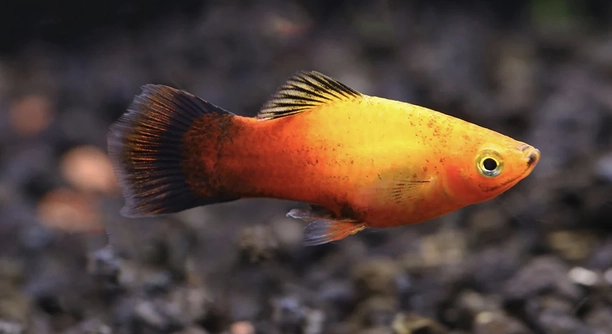
Buying platies can be a rewarding experience for aquarium enthusiasts. These small, colorful fish are popular due to their easy care and peaceful nature. Knowing what to look for before purchasing helps ensure you get healthy and vibrant fish.
When buying platies, key factors include checking their overall health, coloration, size, behavior, and compatibility with other fish. It is important to select specimens free from visible disease or deformities and to consider their adaptability to your aquarium environment.
Understanding these points will help you make informed decisions for your aquatic setup. The following guide outlines important details every platy buyer should know.
Checking for Healthy Appearance
Healthy platies should have bright, even coloration and smooth, intact fins. Avoid fish with dull colors, torn fins, or white spots, as these can indicate illness. Look for clear eyes and a clean body without swelling or lumps. Healthy platies swim actively and do not stay at the bottom or hide excessively.
When selecting platies, observe their movements. Active swimming is a good sign of health. Fish that appear lethargic or are gasping at the surface may be stressed or sick. Inspect the gills; they should be a natural pink or red without excess mucus.
Proper health checks are essential to avoid introducing diseases to your aquarium. Buying healthy fish improves their chances of adapting well to a new environment and reduces stress for both the fish and the owner. Taking time to observe and select vibrant, active platies will benefit your tank’s overall balance and appearance.
Considering Size and Age
You will want to pick platies that are not too young or too old. Younger fish may be more fragile, while older ones might be less adaptable. Medium-sized platies tend to have a better survival rate in a new aquarium.
Medium-sized platies are usually robust and ready to adjust. They are less likely to suffer from transport shock or initial tank stress. Choose fish that have grown past the smallest fry stage but are not fully aged, as this gives them time to thrive and reproduce if desired.
Avoid buying extremely small platies as they are more sensitive to water changes and require careful feeding. Similarly, very old platies may show signs of wear or illness. Aim for healthy, mid-sized specimens that will blend well in your tank and remain active. Size plays an important role in their long-term health and your overall satisfaction with the fish.
Observing Behavior and Activity
Active platies show curiosity and interact with their surroundings. Avoid fish that stay isolated or float near the surface without moving much.
Platies are social fish that thrive in groups. Watching their behavior can reveal health issues. Healthy fish swim smoothly, explore the tank, and respond to movement. Signs of stress or sickness include sluggishness, erratic swimming, or hiding for long periods. These behaviors often indicate poor health or an unsuitable environment.
Stress can also come from overcrowding or aggressive tank mates. Choosing platies that behave naturally helps maintain a peaceful aquarium. Healthy activity levels indicate a well-adjusted fish ready for a new home.
Compatibility with Other Fish
Platies are peaceful and do best with other calm fish. Avoid placing them with aggressive or much larger species that may cause harm.
Ensuring compatibility reduces stress and injury risks in the tank. Platies coexist well with tetras, guppies, and mollies. They prefer community tanks with similar temperament fish. Aggressive fish can intimidate platies, limiting their natural behavior and affecting health. Tank size also affects compatibility; a crowded tank increases aggression and stress. Keeping platies with gentle species supports a stable, balanced environment, promoting their well-being and longevity in your aquarium.
Checking Water Parameters
Platies need clean, stable water with a temperature between 70°F and 82°F. pH should be neutral to slightly alkaline, around 7.0 to 8.2. Regular water testing helps maintain these levels.
Keeping water conditions steady reduces stress and disease risk. Sudden changes can harm platies and affect their health.
Selecting Color and Pattern
Color and pattern vary widely in platies, from solid shades to spotted or striped. Choose fish with vibrant, consistent colors and no faded patches, which often indicate good health.
Bright coloration generally reflects proper nutrition and care. It also enhances the beauty of your aquarium.
Avoiding Signs of Disease
Look for any signs of illness like white spots, fuzzy patches, or swollen areas. Fish that scratch themselves against objects might be dealing with parasites or irritation.
Early detection helps prevent spreading disease to other fish in the tank.
FAQ
How often should I feed my platies?
Platies should be fed small amounts once or twice a day. Overfeeding can lead to water quality issues, so only offer what they can eat within two to three minutes. A balanced diet including flakes, pellets, and occasional live or frozen foods helps keep them healthy.
What tank size is suitable for platies?
A minimum tank size of 10 gallons is recommended for a small group of platies. They are social fish and do best in groups of at least three to five. Larger tanks help maintain stable water conditions and provide enough space for swimming.
Can platies live with other fish?
Yes, platies are peaceful and compatible with many community fish like guppies, mollies, and tetras. Avoid aggressive or much larger fish that could stress or harm them. Keeping platies with gentle tank mates ensures a calm environment.
How do I know if my platy is healthy?
Healthy platies swim actively, have bright colors, and clear eyes. Look for smooth fins and no visible signs of disease such as spots, swelling, or lethargy. Changes in behavior or appetite can indicate illness.
What water temperature do platies prefer?
Platies thrive in temperatures between 70°F and 82°F. Keeping the temperature stable within this range reduces stress and supports their immune system. Sudden temperature shifts should be avoided.
How often should I change the water?
Regular partial water changes of 20-30% every one to two weeks help maintain water quality. This removes toxins and replenishes minerals necessary for fish health. Use a water conditioner to treat tap water before adding it to the tank.
Are platies easy to breed?
Platies breed readily in home aquariums. Females give birth to live young, often without much intervention. Providing hiding places for fry improves their survival chances. Be prepared for increased population if you keep males and females together.
What causes platies to become stressed?
Stress can result from poor water quality, overcrowding, aggressive tank mates, or sudden changes in environment. Signs of stress include hiding, loss of appetite, and dull coloration. Maintaining stable conditions and appropriate companions helps prevent stress.
Can platies live in planted tanks?
Yes, platies do well in planted tanks. Plants provide hiding spots, improve water quality, and create a natural environment. Live plants also offer some grazing opportunities, which can supplement their diet.
What should I do if my platy shows signs of illness?
Isolate sick fish immediately to prevent spreading disease. Test water parameters and perform partial water changes. Depending on symptoms, treatments may include medication or improving tank conditions. Early intervention is important for recovery.
These answers cover the most common concerns when buying and caring for platies. Understanding these basics will help keep your fish healthy and your aquarium thriving.
Final Thoughts
Choosing the right platies for your aquarium requires careful observation and attention to detail. Paying close attention to their health, behavior, size, and compatibility helps ensure that the fish you bring home will thrive. Selecting platies with bright colors, active movement, and clear eyes can reduce the chances of disease or stress in your tank. Taking the time to inspect your fish before purchase is a practical step that benefits both you and your aquatic environment.
Maintaining proper water conditions is just as important as selecting healthy fish. Platies need clean water with stable temperature and pH levels to stay healthy. Regular water changes and monitoring of water quality will support their well-being. A suitable tank size and peaceful tank mates are also essential factors. These aspects work together to create a balanced and comfortable space for your platies to grow and flourish.
By understanding the key factors to consider when buying platies, you can make informed decisions that enhance your aquarium experience. Careful selection and proper tank management will improve the health and lifespan of your fish. Keeping these points in mind will help you build a lively, attractive tank that you can enjoy for years to come.

Hello,
If you enjoy the content that we create, please consider saying a "Thank You!" by leaving a tip.
Every little bit helps us continue crafting quality advice that supports the health, happiness, and well-being of pets around the world, for pets of all shapes, sizes, and species.
We really appreciate the kindness and support that you show us!