
Is your rainbow shark looking a little less lively than usual, or are you unsure if it’s truly thriving in its tank?
The best way to ensure your rainbow shark is healthy is by observing its behavior, appearance, and environment regularly. Signs like bright coloring, active swimming, and normal eating habits usually indicate a well-balanced and healthy fish.
From water quality and diet to social behavior and signs of stress, these tips can help you feel confident in caring for your rainbow shark.
Bright and Consistent Coloration
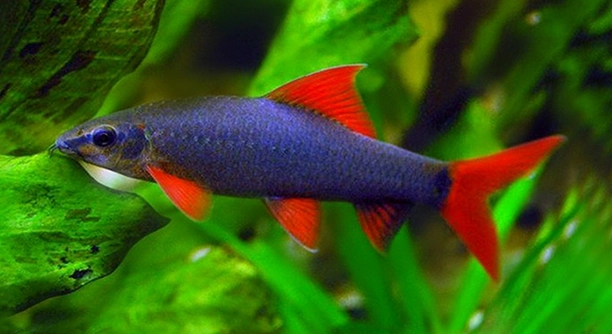
A healthy rainbow shark should have bold, even coloring with no fading or dull patches. Their deep gray or black body and bright red or orange fins should remain vivid and clear. If you notice any sudden color changes, pale areas, or white spots, it could mean stress or illness. It’s important to check for injuries or signs of infection, like fungus or bacterial growth. Sharp color contrast usually reflects a stable, healthy fish that is not feeling threatened or overwhelmed. Keep lighting consistent and avoid overcrowding the tank, as stress can dull their natural appearance. Regular feeding with high-quality food also supports good color. You should also make sure the tank water is clean and balanced, as poor water conditions are one of the most common reasons for dull or patchy coloration. Stick to a routine and make changes slowly to help your rainbow shark stay visually vibrant and healthy.
Healthy colors are a reliable sign that your rainbow shark is doing well, especially when paired with active behavior and regular eating.
Dull or faded colors can result from stress, poor water quality, or a lack of proper nutrients. Always look at changes in appearance as a sign to check the tank conditions. Catching these issues early helps avoid bigger problems. Watching how your rainbow shark looks from day to day gives you helpful clues about its overall health. It’s also a habit that only takes a moment and becomes second nature over time. As long as your shark looks bright and confident in the water, it’s usually a good indicator that things are on the right track. Just keep a close eye when changes appear, even small ones.
Steady and Active Swimming
Rainbow sharks should swim with purpose and control. If your shark is darting around quickly, hiding for long periods, or floating oddly, it may not be feeling well.
A healthy rainbow shark moves with confidence, often patrolling the bottom of the tank or exploring its space. It shouldn’t seem frantic or overly still for long periods. These fish enjoy being active, and their movement patterns give you a lot of information. Avoid placing them in a tank that’s too small or has aggressive tank mates, as this can lead to nervous behavior. Watch how your shark swims throughout the day—consistency is key. If your shark is pacing up and down the glass or hiding all the time, it may be stressed. Make sure the tank has proper decorations and hiding spots. Also, check that water temperature and flow match their needs. Balanced tank conditions support steady movement and reduce signs of anxiety.
Healthy Appetite and Regular Eating
Rainbow sharks that eat regularly and show interest in food are usually in good shape. A sudden loss of appetite, or refusing food completely, can be an early sign something is off.
These fish should eat once or twice a day, depending on their size and age. They do well on a balanced diet of sinking pellets, algae wafers, and occasional frozen or live food like bloodworms. If your shark ignores food, watch for other changes—like slower swimming or unusual hiding. Leftover food in the tank can also spoil water, which makes everything worse. Try feeding smaller amounts and removing uneaten bits after a few minutes. Make sure the food is fresh and suited for bottom-feeders. If they continue skipping meals, it’s best to check the water quality and look for signs of disease or injury.
Feeding time is also a good chance to observe your shark closely. Watch how quickly it reacts when food is added. A healthy rainbow shark will respond quickly and go after the food with purpose. If it seems hesitant, distracted, or ignores feeding completely, that’s worth paying attention to. Overfeeding can also cause issues, so stick to a routine and avoid giving too many high-fat treats. A consistent feeding pattern supports digestion, growth, and energy. It also helps your rainbow shark stay comfortable and secure in its environment.
Clear Eyes and Smooth Skin
Their eyes should look clean, round, and not cloudy or swollen. Cloudy eyes can point to water problems or early signs of infection, especially if paired with low energy.
Smooth, unbroken skin with no white patches, fuzzy areas, or tears is another strong indicator of health. If your rainbow shark starts rubbing against objects or has red spots, it might be reacting to something in the water or developing a skin issue. Look for signs like frayed fins or small holes, which can happen from poor water or physical injury. Test your water for ammonia, nitrite, and pH levels, and do partial water changes if needed. Also, make sure no sharp decorations are in the tank. If multiple symptoms appear, isolating the shark might help while you sort out the cause. Healthy eyes and skin tell you a lot, and keeping the water clean is one of the best ways to protect both.
Normal Breathing and Gill Movement
Healthy rainbow sharks breathe at a steady pace. Their gills should move gently and rhythmically, not fast or strained. Rapid breathing or gasping near the surface can mean stress, poor water quality, or not enough oxygen in the tank.
If gills appear red, swollen, or discolored, that’s another sign something might be wrong. Make sure the filter is working properly, and check if the tank is overstocked. High ammonia or nitrite levels often cause breathing issues, so regular water testing is important.
Stable Behavior Around Other Fish
Rainbow sharks are known to be territorial, especially as they mature. Some chasing is normal, but it shouldn’t be constant or aggressive to the point of injury. If your shark suddenly becomes overly shy, aggressive, or hides all day, it may be stressed by tank mates, changes in environment, or illness. Watching how it interacts with others helps you spot early signs of discomfort. Provide plenty of hiding spots and make sure the tank is large enough to reduce conflict. A calm, predictable environment supports healthier behavior and reduces the chance of injury or illness linked to stress.
Clean Tank and Filtered Water
A clean tank helps prevent almost every major health issue. Good filtration, regular water changes, and balanced parameters protect your rainbow shark’s immune system. Poor conditions can cause illness, stress, or even early death. Keeping the tank clean is one of the easiest ways to keep your fish healthy.
FAQ
How often should I feed my rainbow shark?
Once or twice a day is enough for a healthy rainbow shark. Keep the portions small and remove any leftover food after a few minutes. A mix of sinking pellets, algae wafers, and the occasional frozen treat works well. Too much food can dirty the tank and affect water quality, which leads to health issues. Stick to a regular schedule so your shark knows what to expect, and avoid giving snacks throughout the day. Overfeeding is a common mistake that causes long-term problems.
Why is my rainbow shark hiding all the time?
It’s normal for rainbow sharks to hide sometimes, especially when adjusting to a new tank or after a big change. But if your shark is hiding all the time, it could be stressed. This can be caused by poor water conditions, bullying from other fish, or not enough hiding spots. Make sure the tank has decorations and caves where your shark can feel safe. Also, check water parameters to rule out anything harmful in the tank.
Can rainbow sharks live with other fish?
They can, but it depends on the other fish. Rainbow sharks don’t usually get along with other bottom-dwellers or similar-shaped fish. They can be territorial and may chase fish they see as competition. Tank mates should be peaceful and quick enough to avoid trouble, like barbs or danios. Avoid housing rainbow sharks with other sharks or aggressive fish. A tank with plenty of room and clear territories helps reduce conflict and keeps the peace.
Why is my rainbow shark turning pale?
Pale coloring can be a sign of stress, poor diet, or bad water conditions. Start by checking water parameters—especially ammonia and nitrite levels. Also, make sure the temperature is stable. If the tank setup is okay, think about whether something has changed, like lighting, new fish, or a different food. Color often fades when a rainbow shark feels unsafe or uncomfortable. A return to bold coloring usually means your shark is feeling better again.
How big of a tank does a rainbow shark need?
A single rainbow shark needs at least 50 gallons of space. They are active swimmers and like to have room to patrol. A smaller tank can lead to stress, aggression, and illness. If you add more fish, even peaceful ones, you’ll need more room and more hiding places. A long tank with open swimming areas and separate spots to retreat works best. Keeping your tank large enough is one of the most important steps in raising a healthy rainbow shark.
What should the water temperature and pH be?
Rainbow sharks do best in water that’s between 72°F and 79°F. The pH should stay between 6.5 and 7.5. They are sensitive to sudden changes, so avoid large shifts when doing water changes. Using a reliable heater and thermometer helps keep conditions stable. Test your water weekly to make sure it stays within range. Good water quality plays a big role in preventing disease and keeping your shark active and alert.
How can I tell if my rainbow shark is sick?
Watch for signs like cloudy eyes, white spots, frayed fins, odd swimming, or not eating. Any of these could mean illness or poor tank conditions. Breathing fast, hiding more than usual, or floating near the surface are also red flags. It’s a good habit to check your fish every day for small changes. If something feels off, start by checking the water. Many health issues can be fixed by adjusting the environment before needing medicine.
Final Thoughts
Taking care of a rainbow shark is simple once you understand what signs to look for. A healthy rainbow shark will be active, eat regularly, show bright colors, and move around with steady, smooth swimming. It should have clean eyes, smooth skin, and act normally around its tank mates. Most of these signs are easy to notice just by watching your fish every day. Small changes in behavior or appearance can help you catch problems early before they get worse. Once you learn what’s normal for your shark, spotting something unusual becomes much easier.
Keeping the tank clean and stable is one of the most important things you can do. A good filter, regular water changes, and checking the water temperature and pH will help your rainbow shark stay healthy. Make sure the tank is the right size and not too crowded. Give your fish plenty of hiding spots and open space to swim. Feed your shark a balanced diet and don’t give it too much food. Avoid sudden changes in the tank, whether it’s lighting, new fish, or different water conditions. Keeping everything steady gives your rainbow shark the best chance to stay calm and feel safe.
Watching your rainbow shark can become part of your daily routine. A quick look at its color, behavior, and how it reacts to food tells you a lot. You don’t need to be an expert to notice when something is off. Most health problems in rainbow sharks start with stress, poor water conditions, or a weak diet—things you can usually fix. With a bit of care and regular maintenance, rainbow sharks can live long, healthy lives and be a peaceful part of your aquarium. Even small efforts, like checking the filter or giving your fish a few moments of attention, make a big difference over time.

Hello,
If you enjoy the content that we create, please consider saying a "Thank You!" by leaving a tip.
Every little bit helps us continue crafting quality advice that supports the health, happiness, and well-being of pets around the world, for pets of all shapes, sizes, and species.
We really appreciate the kindness and support that you show us!