
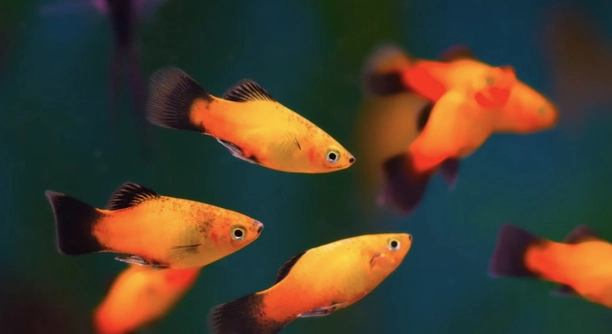
Keeping a peaceful community tank with platies and tetras can be rewarding for any fish keeper. Both species offer beautiful colors and interesting behaviors. However, mixing them requires some care to ensure harmony and health for all fish involved.
Successfully keeping platies and tetras together depends on understanding their water preferences, temperament, and diet needs. Proper tank size, compatible species selection, and monitoring stress signs are essential to maintain a balanced and thriving aquarium environment.
Knowing these important factors will help you create a calm and vibrant tank. This guide covers key points to ensure your platies and tetras live comfortably together.
Understanding Water Conditions for Platies and Tetras
Platies and tetras both thrive in freshwater aquariums, but their preferred water conditions vary slightly. Platies prefer a temperature between 70°F and 77°F, while tetras do best in a slightly cooler range of 72°F to 78°F. Both species prefer a neutral to slightly acidic pH, typically around 6.8 to 7.4. Maintaining stable water parameters is important to avoid stress and illness. Regular water testing helps keep ammonia, nitrite, and nitrate levels low. Both fish also benefit from clean, well-filtered water with gentle flow. Changing about 25% of the water weekly is a good practice to maintain water quality. Sudden changes in temperature or pH can cause stress or even death. It is important to set up the aquarium properly before adding either species. Using a reliable heater and monitoring devices will make the environment more stable. This helps both platies and tetras adapt and stay healthy together.
Consistent water conditions keep platies and tetras comfortable and reduce aggression. A stable environment supports their immune systems and overall well-being.
Choosing appropriate water conditions is one of the first steps to ensure your mixed tank is successful. Both species can live happily if their needs are met and changes happen gradually.
Behavior and Temperament Differences
Platies tend to be peaceful but are more active and social than many tetras. They usually swim around the middle and top of the tank. Tetras, especially smaller species like neon or cardinal tetras, are schooling fish that prefer to stay in groups. Their peaceful nature makes them compatible with platies, but some tetras can be shy and may hide if stressed. Aggression is rare but can occur if the tank is overcrowded or if fish are stressed. It is important to provide hiding spaces like plants and decorations to reduce stress. Platies are livebearers, often giving birth in the tank, which can lead to some chasing behavior as adults may hunt fry. Watching how fish interact helps you spot any signs of bullying or illness early. Both species generally do well together, but paying attention to their behavior can prevent conflicts.
Creating a calm tank involves knowing how each species acts and providing a safe space.
A well-planned aquarium with plenty of space and cover helps reduce tension between platies and tetras, making their behavior easier to manage and enjoy.
Feeding Needs of Platies and Tetras
Platies are omnivores that enjoy a varied diet of flakes, pellets, and live or frozen foods. Tetras also prefer small flakes and micro-pellets, along with occasional protein treats like brine shrimp.
Providing a balanced diet ensures both species get necessary nutrients. Platies tend to be less picky and will eat more types of food. Tetras need smaller portions and more frequent feeding due to their size and faster metabolism. Overfeeding can cause water quality issues, so it’s best to feed small amounts twice a day. Including some vegetable matter like blanched spinach or algae wafers benefits platies. Tetras benefit from occasional protein-rich foods for energy. Avoid overfeeding to prevent uneaten food from polluting the tank.
Feeding should support both species’ health without causing stress or competition. Using sinking and floating foods can help all fish access nourishment comfortably.
Tank Setup and Decoration
A tank of at least 20 gallons is recommended to keep platies and tetras together comfortably. This size provides enough space for swimming and territory. Plants, rocks, and driftwood create hiding spots that reduce stress and aggression. Live plants improve water quality and offer natural cover. Open swimming areas are also important for active fish like platies. Decorations should not overcrowd the tank but be arranged to encourage natural behavior. A gentle filter with moderate flow suits both species well. Lighting should mimic natural daylight but avoid being too bright, which can stress tetras. Regular maintenance keeps the tank clean and healthy. Thoughtful tank setup helps both platies and tetras thrive in a shared environment.
Compatibility and Social Behavior
Platies and tetras are generally peaceful fish that coexist well in community tanks. Both species enjoy being in groups, which helps reduce stress and encourage natural behavior. However, some tetras may be shy and need more hiding spots.
Observing their interactions is important. If any signs of bullying or excessive chasing appear, it’s best to adjust the tank setup or population. Providing plenty of space and cover helps maintain balance.
Breeding Considerations
Platies are livebearers, meaning they give birth to free-swimming fry rather than laying eggs. They breed easily in community tanks, which can lead to a growing population. Tetras lay eggs and do not usually breed in mixed tanks with platies.
Monitoring Fish Health
Regularly watching for changes in behavior or appearance helps catch health issues early. Stress from improper tank conditions can weaken their immune systems.
Preventing Aggression
Ensuring enough space and hiding places reduces the chance of aggression. Avoid overcrowding to keep the tank peaceful.
FAQ
Can platies and tetras live together peacefully?
Yes, platies and tetras can live together peacefully if their tank environment is well maintained. Both species prefer similar water conditions and are generally peaceful. Providing enough space, hiding spots, and a balanced diet helps minimize stress and prevent conflicts.
What tank size is best for mixing platies and tetras?
A minimum of 20 gallons is recommended for mixing platies and tetras. This size gives enough room for swimming and territory. Larger tanks make it easier to maintain stable water parameters and reduce aggression caused by overcrowding.
How often should I feed platies and tetras?
Feeding twice a day with small amounts is ideal. Both species have different feeding needs: platies enjoy a varied diet of flakes, pellets, and veggies, while tetras need smaller, protein-rich meals. Avoid overfeeding to keep water quality good.
Do platies and tetras require the same water temperature?
Their preferred temperature ranges overlap. Platies thrive in 70°F to 77°F, while tetras do well between 72°F and 78°F. Keeping the tank temperature steady around 74°F to 76°F usually works well for both species.
Will platies eat tetra fry or vice versa?
Platies may eat smaller fish fry, including tetra fry, because they are opportunistic feeders. Tetras usually do not harm fry but may hide if threatened. Adding plenty of plants and hiding spaces helps protect young fish.
How do I prevent aggression in a mixed tank?
Provide enough space, hiding spots, and avoid overcrowding. Keeping a balanced number of fish reduces stress and aggression. Regularly monitor fish behavior and remove or separate any aggressive individuals if needed.
Can platies and tetras share the same diet?
They have some dietary overlap but different preferences. Platies are less picky and will eat flakes, pellets, and vegetables. Tetras need smaller, protein-rich foods. Offering a variety of foods in proper portions helps keep both species healthy.
Is it okay if my tetras seem shy around platies?
Yes, tetras are often more timid and may hide when first introduced or if the tank is too bright or crowded. Creating calm conditions with plants and hiding spots encourages tetras to feel safe and become more active.
How often should I change the water in a tank with platies and tetras?
Changing about 25% of the water weekly is ideal to maintain good water quality. Regular water changes remove waste and keep ammonia, nitrite, and nitrate levels low, which is important for both platies and tetras.
What signs show that platies and tetras are stressed?
Signs include hiding more than usual, loss of appetite, color fading, and erratic swimming. Stress can lead to illness, so addressing tank conditions or water quality problems quickly is essential to keep fish healthy.
Can platies and tetras live in the same water hardness?
Both species tolerate moderate hardness well. Platies prefer slightly harder water, but tetras adapt to a range of hardness levels. Keeping general hardness (GH) between 8 and 12 dGH usually suits both.
Is a filter necessary for a mixed platy and tetra tank?
Yes, a good filter is essential to maintain clean water and provide oxygen. A gentle filter that creates moderate flow is best because strong currents may stress tetras, while platies appreciate a calm environment.
How can I encourage breeding without stressing the fish?
Provide plenty of plants and hiding spots for platies to feel secure. Keep stable water conditions and feed a nutritious diet. Avoid disturbing the tank during breeding to reduce stress.
Are platies or tetras better for beginners?
Both are beginner-friendly due to their hardiness and peaceful nature. Platies are often easier to care for because they tolerate a wider range of conditions. Tetras require stable water parameters and a bit more attention to diet.
What decorations are best for a tank with platies and tetras?
Live plants, rocks, and driftwood create natural hiding places and reduce stress. Avoid overcrowding the tank with decorations. Open swimming spaces combined with dense planted areas work well for both species.
How long do platies and tetras typically live?
Platies usually live around 2 to 3 years, while tetras can live 3 to 5 years with proper care. Lifespan depends on water quality, diet, and tank conditions.
These FAQs cover many common concerns about mixing platies and tetras. Understanding these basics will help keep your community tank balanced, healthy, and enjoyable.
Mixing platies and tetras in the same aquarium can be a rewarding experience when the right conditions are met. Both species offer vibrant colors and interesting behaviors that bring life to a community tank. However, their successful coexistence depends on several important factors. Maintaining stable water parameters, providing enough space, and ensuring proper nutrition are key to keeping these fish healthy and peaceful. When these basics are handled well, platies and tetras can live together without much trouble.
It is important to remember that every fish has its own personality and needs. Platies are generally more active and curious, while tetras may be shy and prefer to stay in groups. Providing plenty of hiding spots and open swimming areas helps reduce stress and encourages natural behavior. Watching how your fish interact can help you spot any signs of aggression or illness early on. Making adjustments, such as rearranging tank decorations or reducing the number of fish, may be necessary to maintain harmony. A well-planned tank setup combined with regular care will support the long-term health of both platies and tetras.
In the end, patience and observation are crucial when mixing these two species. It may take some time for your fish to settle into their new environment and for you to find the right balance. Consistent feeding routines, careful water maintenance, and a peaceful tank environment will go a long way. By paying attention to the specific needs of platies and tetras, you can create a beautiful and balanced community aquarium. This allows you to enjoy watching your fish thrive together in a shared home.

Hello,
If you enjoy the content that we create, please consider saying a "Thank You!" by leaving a tip.
Every little bit helps us continue crafting quality advice that supports the health, happiness, and well-being of pets around the world, for pets of all shapes, sizes, and species.
We really appreciate the kindness and support that you show us!