
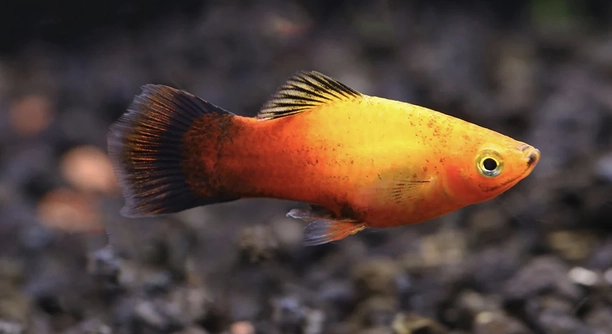
Getting your first platy fish can be an exciting step into the world of aquarium keeping. Platies are colorful, peaceful fish that are popular among beginners. Knowing the basics before bringing one home will help ensure a healthy and happy pet.
Platies require stable water conditions, a balanced diet, and a properly sized tank to thrive. Understanding their behavior, tank mates, and breeding habits is essential for maintaining their well-being. Proper care prevents common issues such as stress and disease.
Learning these key points will make your experience with platies more enjoyable and successful. Each aspect of their care plays an important role in their overall health and happiness.
Tank Setup and Water Conditions
Setting up the right environment for your platy is crucial. These fish do best in a tank of at least 10 gallons, with clean, well-filtered water. Platies prefer a water temperature between 70°F and 78°F and a pH range of 7.0 to 8.2. Regular water changes of about 25% weekly help keep the water quality high. Adding live plants provides hiding spots and improves oxygen levels, making the tank more comfortable for your fish. Avoid sudden changes in water temperature or chemistry, as platies can be sensitive to stress caused by unstable conditions. A good filter and heater are necessary to maintain stability. Monitoring water parameters with a test kit ensures the environment stays within safe limits. Keeping the tank clean and balanced reduces the risk of disease and supports healthy behavior.
Maintaining stable water conditions improves platies’ lifespan and overall health. Consistency is key.
A well-prepared tank promotes natural behavior and reduces stress. Platies will be more active and colorful when their environment matches their needs. You can expect them to explore and interact more, making them rewarding to watch. Choosing suitable plants and decorations will provide shelter and breeding areas. Keeping the tank clean and stable also helps prevent algae growth and harmful bacteria buildup. Paying attention to water quality prevents many common issues in fishkeeping. Overall, the right tank setup creates a healthy home for your platy and makes caring for them easier.
Feeding Your Platy
Platies are omnivores and need a balanced diet. Feeding them a mix of high-quality flakes, pellets, and occasional live or frozen foods ensures they get all essential nutrients.
A varied diet helps keep your platy healthy and vibrant.
To maintain your platy’s health, provide food twice daily in small amounts. Overfeeding can pollute the tank and cause health problems, so feed only what they can eat within two minutes. Including plant matter like blanched spinach or algae wafers complements their diet and supports digestion. Live foods like brine shrimp or daphnia offer protein and encourage natural hunting behavior. Avoid feeding only one type of food, as it can lead to nutritional deficiencies. Proper feeding routines help prevent obesity and improve your platy’s coloration and energy. Watching their eating habits also helps spot early signs of illness. A consistent, balanced diet is a simple way to promote a long, healthy life for your fish.
Tank Mates for Platies
Platies get along well with other peaceful fish. Avoid aggressive or very large species that might stress or harm them.
Suitable tank mates include guppies, mollies, tetras, and corydoras catfish. These fish share similar water requirements and temperaments, making them compatible companions. Avoid keeping platies with fin-nippers or overly territorial species, as this can cause stress or injury. Properly sized tanks help reduce territorial disputes. Observing fish interactions is important when introducing new tank mates. Adding too many fish at once can lead to overcrowding and poor water quality. Introducing compatible species gradually promotes harmony in the tank.
When selecting tank mates, focus on similar water needs and peaceful behavior. Providing plenty of hiding spaces helps reduce conflicts. Remember that individual fish personalities may vary, so some trial and error might be necessary to find the best group. Keeping the environment stable and stress-free benefits all fish involved.
Breeding and Care for Fry
Platies are livebearers, meaning they give birth to free-swimming fry rather than laying eggs. Females can produce 20 to 40 fry every four to six weeks, especially in warm, stable conditions. A well-planted tank gives fry places to hide from adults, which might eat them. Providing high-quality food for the fry helps ensure their survival and healthy growth. Separating pregnant females or using breeding boxes can protect fry if needed. Monitoring water quality closely during breeding supports both adult and young fish health. Avoid overcrowding by planning space and tank size accordingly. Healthy parents and proper care increase fry survival rates. Consistent feeding and clean water promote fast growth and strong fry.
Taking care of platy fry requires patience and attention. Ensuring safe hiding places and a nutritious diet helps young fish develop properly. Controlling tank population and maintaining good conditions support the entire aquarium community’s balance.
Common Health Issues
Platies can suffer from common fish diseases like ich, fin rot, and swim bladder problems. Early detection is key to successful treatment.
Maintaining clean water and avoiding sudden changes reduces the risk of illness. Quarantining new fish helps prevent disease introduction to your tank.
Tank Maintenance
Regular tank maintenance is essential for platy health. Weekly water changes of about 25% keep nitrate levels low and water clear. Cleaning the substrate and filter prevents waste buildup. Avoid overfeeding to reduce excess organic matter. Testing water parameters regularly helps catch issues before they become serious. Proper maintenance promotes a stable environment, reducing stress and disease risks. Consistency in upkeep ensures your platies thrive and display their best colors. A clean tank also creates a more enjoyable viewing experience.
Platy Behavior
Platies are active and social fish. They often swim in groups and explore their environment.
Choosing Your First Platy
Selecting healthy fish is important. Look for clear eyes, vibrant colors, and smooth fins.
FAQ
How often should I feed my platy?
Feeding your platy twice a day in small amounts is ideal. Give only what they can eat within two minutes to avoid overfeeding. Overfeeding leads to poor water quality and health issues. A balanced diet with flakes, pellets, and occasional live or frozen foods keeps them healthy.
Can platies live with other fish?
Yes, platies are peaceful and get along with similar calm fish like guppies, mollies, and tetras. Avoid aggressive or large fish that could harm them. Always monitor fish behavior after introducing new tank mates and provide hiding spots to reduce stress.
What tank size do platies need?
A minimum of 10 gallons is recommended for platies. Larger tanks are better, especially if keeping groups or other fish. More space helps maintain stable water conditions and reduces territorial behavior. Proper filtration and heating are also necessary.
How do I know if my platy is sick?
Signs of illness include lethargy, loss of appetite, clamped fins, spots, or unusual swimming. Early detection is important. Quarantine sick fish and test water quality. Many common illnesses can be treated if caught early, but prevention through good care is best.
Do platies breed easily?
Yes, platies breed readily in the right conditions. Females give birth to live fry every 4-6 weeks. Providing plants or breeding boxes helps protect fry from adult fish. Keep water clean and feed fry nutritious food to improve survival rates.
What water parameters do platies prefer?
Platies thrive in temperatures between 70°F and 78°F, with a pH of 7.0 to 8.2. Maintaining stable water conditions is essential. Frequent water testing and regular changes help keep the environment healthy and stress-free.
How long do platies live?
With proper care, platies live around 2 to 3 years. Stable water, good nutrition, and a clean tank contribute to a longer life. Monitoring their health and environment regularly helps prevent early death.
Can I keep platies alone?
Platies are social fish and do better in groups of at least three. Alone, they may become stressed or inactive. Group living encourages natural behaviors and increases their activity and color vibrancy.
What should I do if my platy is stressed?
Stress can come from poor water quality, aggressive tank mates, or overcrowding. Test water, improve tank conditions, and remove aggressive fish if necessary. Adding plants or decorations gives hiding spots to help them feel secure.
How often should I clean the tank?
Perform a 25% water change weekly. Clean the substrate and filter regularly to prevent waste buildup. Avoid cleaning the entire tank at once to preserve beneficial bacteria. Consistent maintenance keeps the tank environment stable and healthy for platies.
Final Thoughts
Getting a platy as your first fish can be a rewarding experience. These fish are hardy, colorful, and peaceful, making them suitable for beginners. Taking the time to learn about their basic care needs helps prevent common problems and keeps your platy healthy. From setting up the right tank to feeding and choosing compatible tank mates, each step matters. Paying attention to water quality and regular maintenance creates a stable environment, which is key to their well-being. Simple habits like consistent feeding schedules and observing fish behavior will help you notice any issues early. This makes caring for platies easier and more enjoyable over time.
Proper preparation before bringing home your platy makes a big difference in their success. It is important to have a tank that is large enough with appropriate equipment like a filter and heater. Monitoring water parameters regularly ensures the environment stays within safe limits. Understanding their diet and feeding habits keeps them strong and colorful. Also, knowing about breeding and how to care for fry can be helpful if you want to grow your fish collection. Keeping the tank clean and avoiding overcrowding supports a healthy community. These steps together provide a solid foundation for happy and thriving platies.
Caring for platies involves learning and adapting to their needs. They are active and social fish that benefit from living with compatible tank mates. Watching how they behave and interact helps you respond to their needs better. Even though they are fairly easy to care for, attention to detail is necessary for their long-term health. Avoiding sudden changes in water conditions and keeping good hygiene in the tank reduce stress and disease risks. With consistent care and patience, platies can live several years and brighten up your aquarium. Taking these simple measures ensures a positive experience for both you and your fish.

Hello,
If you enjoy the content that we create, please consider saying a "Thank You!" by leaving a tip.
Every little bit helps us continue crafting quality advice that supports the health, happiness, and well-being of pets around the world, for pets of all shapes, sizes, and species.
We really appreciate the kindness and support that you show us!