
Are your aquarium plans getting bigger, and now you’re thinking about adding swordtails to your freshwater tank setup at home?
Before getting swordtails, it’s important to understand their care needs, tank conditions, and behavior. These active fish thrive in stable environments and may breed quickly. Proper preparation ensures a healthier setup and prevents unexpected challenges with compatibility and population control.
From tank size tips to feeding habits and social behavior, this guide covers what you need to know to keep swordtails happy.
Swordtails Need Space to Swim
Swordtails are active fish that enjoy swimming across longer tanks. A 20-gallon tank is usually the minimum recommended size, especially if you’re keeping a small group. These fish tend to be social and do best in a community setup, but they still need plenty of space. Overcrowding can lead to stress and aggression, which may affect their health. Choose a tank with a longer horizontal length instead of a tall design so they have more room to move around. Proper filtration is also key since swordtails can be a little messy. Clean water and good oxygen levels will help keep them healthy and active. You may also want to add a lid since they can jump. Always check water parameters regularly to ensure their environment stays safe. When given the right space and conditions, swordtails are easy to care for and a great addition to a peaceful freshwater aquarium.
Keep in mind that one swordtail may be fine in a small tank, but they prefer groups.
They are active swimmers, so placing decorations or plants along the edges helps open up the middle for movement. Stick with soft plants and rounded decor to prevent fin injuries.
Swordtails Reproduce Easily
Swordtails are livebearers, which means they give birth to free-swimming fry instead of laying eggs.
One of the first things you’ll notice with swordtails is how quickly they can multiply. A single female can give birth every 4–6 weeks, and even one encounter with a male can lead to several batches of fry due to stored sperm. If you’re not ready for a growing population, it’s important to separate males and females early or consider keeping only one gender. Many hobbyists are surprised at how fast things get out of hand, especially in a community tank where fry may not always be eaten. To manage fry survival, you can add dense plants like java moss or use a breeding box. Feeding the young can also require extra attention, as they need finely crushed flakes or special fry food. Taking a few early steps can help you avoid overcrowding and keep your tank balanced.
Swordtails Can Be Territorial
Swordtails may act peacefully most of the time, but some can show territorial behavior, especially males. If space is limited or there are too many males, they may chase or nip at others. Keeping more females than males helps reduce this behavior.
A common setup that works well includes one male for every two or three females. This balance helps lower stress in the group and prevents constant chasing. Males often try to assert dominance by guarding space or food, but this is less noticeable in larger tanks with plenty of hiding spots. Plants, rocks, or decorations can create visual barriers that allow fish to avoid each other. Keep an eye out for signs of stress like torn fins or hiding. If aggression continues, you may need to separate them or rearrange the tank layout. Swordtails are more relaxed when they feel secure and not overcrowded.
If you notice increased aggression during feeding time or after adding new fish, this is usually temporary. Giving them time to adjust or feeding in separate areas of the tank can help. Consistent lighting and a steady schedule also improve overall behavior, especially in community tanks. Avoid sudden changes that may trigger defensive reactions or disrupt the balance.
Swordtails Need Clean, Stable Water
Clean, well-maintained water plays a major role in your swordtails’ health. These fish are hardy but still react to poor conditions. Regular testing, steady temperature, and consistent partial water changes will keep them active and free from stress-related illnesses.
Swordtails do best in water temperatures between 72°F and 82°F, with a neutral to slightly alkaline pH. Weekly water changes of about 25% help maintain water quality, especially in busy tanks. A good filter will remove waste and keep the environment oxygen-rich. Avoid overfeeding, as uneaten food can quickly impact water quality. Use a thermometer and test kits to track changes, and address problems early. Sudden drops in temperature or ammonia spikes can cause illness. Stable water conditions support not just swordtails but any tank mates. When their environment is clean and consistent, swordtails show better color, remain active, and are more likely to live a longer, healthier life.
Swordtails Like to Eat a Balanced Diet
Swordtails eat a mix of flakes, pellets, and live or frozen food. Variety helps meet their nutritional needs and keeps them active. Offer small portions twice a day and remove uneaten food to avoid water issues.
They enjoy treats like brine shrimp, daphnia, or blanched vegetables. This keeps them engaged.
Swordtails Are Sensitive to Stress
Stress in swordtails often shows through color fading, hiding, or lack of appetite. Common causes include sudden changes in water conditions, poor tank mates, and overcrowding. Providing a steady environment and minimizing disturbances helps reduce these reactions. A peaceful tank setup supports their overall health and improves daily behavior.
Swordtails Can Live with Peaceful Tank Mates
Choose tank mates that match swordtails in temperament and size. Good options include mollies, platies, and peaceful tetras. Avoid fin-nippers or overly aggressive species. Keeping the tank calm prevents injuries and helps swordtails stay relaxed and active.
FAQ
Can swordtails live alone?
Swordtails can technically live alone, but they tend to do better in groups. They’re social fish that enjoy the presence of others, especially when kept with other peaceful community fish. A lone swordtail may survive, but it could become less active or show signs of stress over time. Most people choose to keep them in small groups with at least a few other compatible fish. Just make sure there’s enough space in the tank, and you’ll likely see more natural, confident behavior from your swordtail.
Do swordtails need a heater?
Yes, swordtails are tropical fish, so they need a heater to keep the water temperature stable. The ideal range for them is between 72°F and 82°F. Room temperature alone can change too much, especially overnight. A heater ensures that the water stays warm and doesn’t dip below their comfort zone. Fluctuating temperatures can lead to stress or sickness. It’s a small piece of equipment, but it helps keep your swordtails healthy and active every day.
How can you tell male and female swordtails apart?
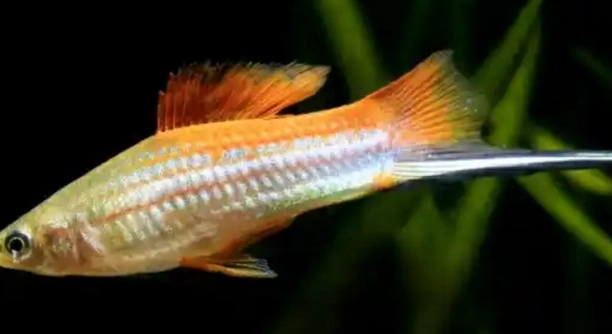
Male swordtails are easy to recognize because they have a long, sword-like extension on the lower part of their tail. Females don’t have this feature and are usually rounder in shape. Males also tend to be slimmer and slightly smaller than females. Another difference is the anal fin—males have a pointed one called a gonopodium, while females have a fan-shaped one. If you’re trying to manage breeding or plan a balanced group, being able to tell them apart is important from the start.
Do swordtails need live plants?
Live plants aren’t required, but swordtails do enjoy them. Plants give the tank a more natural look, help keep water clean, and offer places to hide or rest. Live plants also support fry survival if breeding occurs, since the babies can hide in the leaves. Good options include java fern, anubias, or hornwort. Even if you choose fake plants, make sure they don’t have sharp edges that could damage the swordtails’ fins. A well-planted tank helps lower stress and encourages natural behavior.
Can swordtails jump out of the tank?
Yes, swordtails are known to jump, especially if they’re startled or if water conditions aren’t ideal. That’s why it’s important to keep a lid or secure cover on your tank. Sudden noise, light changes, or new fish can cause them to leap. Even when everything seems calm, some swordtails may still jump occasionally. A lid also helps maintain humidity and keeps other things—like dust or pets—out of the tank.
How long do swordtails live?
Swordtails typically live for 3 to 5 years in a well-maintained aquarium. Their lifespan depends on factors like water quality, diet, tank size, and stress levels. With proper care, some even live a bit longer. Providing a clean, spacious tank with stable water and a balanced diet makes a big difference. Keeping their environment peaceful and giving them compatible tank mates also helps extend their life.
Are swordtails good for beginners?
Yes, swordtails are one of the best choices for beginners. They’re hardy, easy to feed, and not too picky about tank setups. As long as the water is clean and the tank isn’t overcrowded, they usually do well. They tolerate a range of water conditions and are not aggressive. The only challenge might be controlling breeding, since they reproduce so easily. For someone new to fishkeeping, swordtails offer a colorful, active, and relatively low-maintenance experience.
How often should you clean a swordtail tank?
Partial water changes should be done weekly—usually around 25%. This helps remove waste and refresh water quality. You don’t have to tear down the tank each time. Just use a siphon to clean the gravel and remove dirty water. The filter should be checked regularly and rinsed gently in tank water if it’s clogged. Avoid using soap or untreated tap water on anything going into the tank. Consistency is more important than doing deep cleanings too often.
What size tank is best for swordtails?
A 20-gallon tank is a good starting point for a small group of swordtails. It gives them room to swim and reduces stress. If you plan to keep more than three or four, or want to include other species, go for a bigger tank. Larger tanks are easier to maintain and offer more stable water conditions. Swordtails are active swimmers, so they need space to move freely. A long tank is better than a tall one, since they mostly swim horizontally.
Do swordtails nip fins?
They can, but it’s not common unless they feel crowded or stressed. Males may chase each other or females, especially during mating behavior. If there are too many males or not enough space, fin-nipping may become an issue. You can reduce this by keeping a proper male-to-female ratio and adding decorations to break up sightlines. Most of the time, swordtails are peaceful and get along well with other community fish. Just monitor them and make changes if you see consistent aggression.
Final Thoughts
Swordtails are a simple, reliable fish to keep. They don’t need complicated care or constant attention. As long as the tank is clean, the temperature stays warm, and they have enough space, they tend to do well. Their active swimming and peaceful nature make them a pleasant choice for beginners and experienced aquarists alike. Swordtails come in many colors, and their long tail makes them stand out in any tank. With a little planning, they can be a low-stress and rewarding part of your setup.
It’s also important to understand their social habits. Swordtails prefer being in a group, but it’s good to keep an eye on the male-to-female ratio. Too many males can lead to chasing and stress for the females. A good setup usually includes more females than males, along with enough hiding spots for rest and safety. Adding plants, decorations, or driftwood helps them feel secure and keeps their behavior calm. This kind of environment brings out the best in them and helps avoid common issues.
In the end, swordtails offer a balance of beauty and easy care. They’re not demanding, but they still benefit from attention to small details like water changes, diet variety, and peaceful tank mates. If breeding happens, it’s helpful to be prepared with a plan for the fry. These fish can add a steady, natural movement to your aquarium without much fuss. Whether you’re setting up your first tank or looking to add something simple and colorful, swordtails can be a great pick when cared for properly.

Hello,
If you enjoy the content that we create, please consider saying a "Thank You!" by leaving a tip.
Every little bit helps us continue crafting quality advice that supports the health, happiness, and well-being of pets around the world, for pets of all shapes, sizes, and species.
We really appreciate the kindness and support that you show us!