
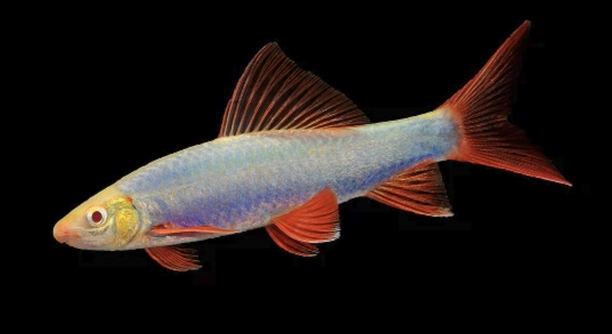
Rainbow sharks are popular freshwater fish known for their vibrant colors and active behavior. Many aquarium enthusiasts consider breeding them to expand their collection or share with others. Understanding their needs and habits is essential before attempting to breed these fish.
Breeding rainbow sharks requires specific water conditions, proper tank setup, and understanding of their territorial nature. These fish need a spacious environment with hiding spots to reduce aggression. Successful breeding also depends on balanced diet and maintaining stable water parameters.
Learning these important factors will help create a healthy environment for your rainbow sharks. This guide covers essential points to prepare you for the breeding process.
Understanding Rainbow Sharks’ Behavior
Rainbow sharks are known for their semi-aggressive and territorial behavior. They tend to claim certain areas of the tank as their own and can become aggressive toward other fish, especially during breeding periods. This territorial nature is natural but can lead to stress or injury if the tank is too small or overcrowded. Providing plenty of hiding places like caves, plants, or decorations can help reduce conflicts. Also, keeping them with compatible tank mates that won’t provoke them is important to maintain peace in the aquarium. Knowing their behavior helps in planning a proper breeding environment where each fish has enough space to thrive without constant fighting. Observing them closely during breeding times can reveal signs of stress or readiness to spawn, which is useful for timing and tank adjustments.
Rainbow sharks show their territorial behavior more clearly when space is limited. Proper tank size and structure are key to managing aggression.
Having a clear plan to manage their behavior will improve breeding success. Giving each fish its own space reduces fights and stress, helping the breeding process go smoothly. Adjusting tank conditions based on their behavior is essential for their health and reproduction.
Preparing the Breeding Tank
The breeding tank should be spacious enough to reduce aggression and allow the fish to establish territories. A tank of at least 30 gallons is recommended for a pair or small group of rainbow sharks. Decorations like rocks, caves, and plants provide hiding spots that help calm the fish. Clean water with stable temperature and pH is crucial, as rainbow sharks are sensitive to changes. Regular water changes and good filtration help maintain these conditions. Setting the right environment encourages natural breeding behavior and increases the chances of success. The tank should also have soft substrate where eggs can be laid, and lighting should mimic natural day-night cycles to support their biological rhythms. Preparing the tank carefully makes breeding safer and more comfortable for the fish.
A well-prepared tank minimizes stress and creates ideal conditions for breeding.
Creating a suitable environment involves balancing space, hiding places, and water quality. The more natural the tank feels to the fish, the more likely they are to breed successfully. Monitor the water parameters regularly and adjust decorations as needed to reduce conflicts. Proper tank preparation is the foundation of a successful breeding setup.
Selecting Healthy Breeding Stock
Choosing healthy rainbow sharks is crucial for successful breeding. Look for fish that are active, have bright colors, and show no signs of illness. Avoid fish with torn fins or abnormal behavior, as these issues can affect breeding outcomes.
Healthy fish tend to breed more successfully. Selecting robust, disease-free individuals increases the chances of healthy offspring. It’s important to observe the fish for several days before introducing them to the breeding tank. This allows time to spot any hidden health problems or signs of stress. Additionally, selecting fish of appropriate age and size ensures they are mature enough to reproduce.
Introducing new fish to the tank should be done carefully to avoid spreading diseases. Quarantine any new stock for at least two weeks before mixing them with others. This practice protects the entire breeding setup and supports a strong breeding population.
Feeding and Nutrition for Breeding
Proper nutrition supports the breeding process. Feeding rainbow sharks a varied diet of high-quality pellets, live or frozen foods, and vegetables ensures they get essential nutrients. Balanced nutrition improves their health and reproductive readiness.
A rich diet helps stimulate breeding behavior and supports the development of eggs and sperm. Protein-rich foods like bloodworms, brine shrimp, or daphnia are beneficial during breeding preparation. Supplementing with plant-based foods prevents nutritional deficiencies and keeps the fish healthy. Feeding small amounts multiple times a day encourages appetite and reduces waste buildup in the tank.
Maintaining consistent feeding habits helps regulate their metabolism and energy levels, which can positively affect spawning frequency. Pay attention to any changes in eating habits during breeding periods, as this may signal stress or illness needing attention.
Recognizing Breeding Behavior
Rainbow sharks display specific behaviors when ready to breed. Males often become more aggressive and chase females around the tank. They may also flare their fins and swim rapidly. These actions indicate readiness to spawn.
Females usually respond by hiding or showing signs of stress. Watching for these behaviors helps identify the best time to separate or prepare the tank for breeding.
Spawning and Egg Care
Once spawning begins, the female lays adhesive eggs on flat surfaces like rocks or plants. The male then fertilizes the eggs. Eggs usually hatch within 48 to 72 hours under optimal conditions. It is important to remove the adults after spawning to prevent them from eating the eggs.
Careful monitoring of water quality during this time is crucial. Keeping the tank clean and maintaining stable temperature helps ensure healthy egg development. Using a gentle air stone for water circulation prevents fungus on the eggs and promotes oxygenation.
Raising Fry
Newly hatched fry are tiny and fragile. They require very clean water and special foods like infusoria or newly hatched brine shrimp. Fry should be kept in a separate tank to avoid being eaten by adults.
Regular water changes and gentle feeding help promote healthy growth. As fry grow, gradually introduce them to finely crushed flakes or pellets.
FAQ
How long does it take for rainbow shark eggs to hatch?
Rainbow shark eggs typically hatch within 48 to 72 hours, depending on water temperature and conditions. Maintaining stable, warm water between 77°F and 82°F speeds up development. Cooler water can delay hatching, while poor water quality may cause eggs to fail.
Can rainbow sharks breed in a community tank?
Breeding rainbow sharks in a community tank is difficult due to their territorial and aggressive nature. They may attack other fish and even their own eggs. A separate breeding tank is usually necessary to protect both adults and eggs, and to provide the right environment for spawning.
What size tank is needed for breeding rainbow sharks?
A minimum of 30 gallons is recommended for breeding pairs or small groups. This provides enough space for territories, reduces aggression, and allows room for hiding spots. Larger tanks improve chances of successful breeding and reduce stress among fish.
How often do rainbow sharks breed?
Rainbow sharks do not breed frequently in captivity. They typically breed during warmer months or when tank conditions are ideal. With proper care and a good environment, breeding can happen multiple times a year, but it varies depending on individual fish health.
Do rainbow sharks eat their own eggs or fry?
Yes, adult rainbow sharks often eat their eggs and fry. This is why it is important to remove adults from the breeding tank after spawning or transfer the eggs to a separate rearing tank. Protecting the eggs increases survival rates significantly.
What is the best diet for breeding rainbow sharks?
A varied diet that includes high-quality pellets, live or frozen foods like bloodworms, brine shrimp, and vegetables supports healthy breeding. Protein-rich foods boost reproductive health. Feeding small amounts several times a day encourages good nutrition and reduces waste buildup.
How can I tell if my rainbow shark is male or female?
It can be challenging to distinguish males from females because they look similar. Generally, males have slightly slimmer bodies and more intense coloration, especially during breeding periods. Observing behavior during breeding can also help, as males are more aggressive and chase females.
How do I care for rainbow shark fry?
Fry need very clean water and special foods such as infusoria or newly hatched brine shrimp. They should be kept separate from adults to avoid being eaten. Frequent water changes and gentle feeding help support healthy growth. Gradually introduce crushed flakes or pellets as they grow.
Can I breed rainbow sharks with other species?
Crossbreeding rainbow sharks with other species is rare and generally not recommended. Different species have varied requirements and behaviors that can complicate breeding. It’s best to focus on breeding rainbow sharks in a species-specific environment.
What water parameters are ideal for breeding rainbow sharks?
Ideal conditions include a temperature between 77°F and 82°F, pH levels around 6.5 to 7.5, and soft to moderately hard water. Stable parameters reduce stress and encourage spawning. Regular testing and water changes are essential to maintain these conditions.
Breeding rainbow sharks can be a rewarding experience, but it requires careful preparation and attention to detail. Understanding their behavior, tank needs, and dietary requirements is essential to create an environment that supports successful breeding. Rainbow sharks are territorial and semi-aggressive, so providing enough space and hiding spots helps reduce stress and conflict. Setting up a separate breeding tank with proper water conditions and structure is necessary to encourage spawning and protect the eggs from adult fish. These steps are important to ensure the fish remain healthy and comfortable throughout the process.
Choosing healthy breeding stock and feeding them a balanced diet play key roles in the breeding success. Fish that are active and brightly colored tend to be in good health and better able to reproduce. Offering a variety of foods rich in protein and essential nutrients supports their reproductive systems and overall well-being. During breeding, observing the fish for changes in behavior allows timely adjustments in tank conditions. Removing adults from the breeding tank after spawning protects the eggs and increases fry survival. Raising the fry requires patience and care, as they are fragile and need specialized food and a clean environment to grow strong.
Overall, breeding rainbow sharks demands a consistent commitment to maintaining water quality, tank setup, and feeding routines. Understanding their natural habits helps in managing their aggression and territorial instincts. It is also important to monitor their health closely throughout the process. While it may take time and effort, successfully breeding rainbow sharks can be satisfying and add new life to your aquarium. Patience and attention to detail are essential to support the fish’s needs and help them thrive in captivity.

Hello,
If you enjoy the content that we create, please consider saying a "Thank You!" by leaving a tip.
Every little bit helps us continue crafting quality advice that supports the health, happiness, and well-being of pets around the world, for pets of all shapes, sizes, and species.
We really appreciate the kindness and support that you show us!