
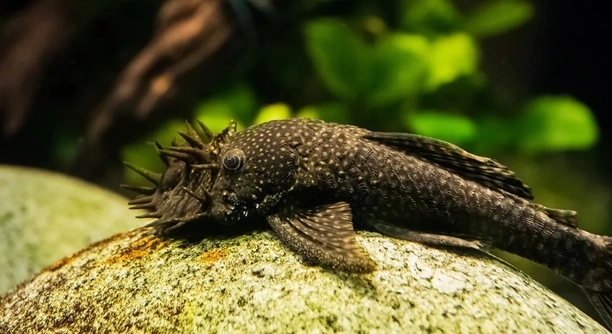
Breeding plecos can be an exciting venture for aquarium enthusiasts. However, it requires careful planning and understanding of their needs. There are several important factors to consider to ensure successful breeding and healthy offspring.
Before breeding plecos, it’s essential to provide the right environment. Plecos require stable water conditions, ample hiding spots, and a suitable diet. Maintaining proper tank parameters and ensuring they are well-fed will increase the likelihood of successful breeding.
Understanding the needs of plecos and preparing adequately can make a significant difference in their breeding success. Proper care and attention to detail will help ensure healthy pleco fry.
Understanding the Breeding Environment
Plecos thrive in stable, clean environments. To breed them successfully, water quality is essential. They require a tank with proper filtration to maintain clean water, as plecos are sensitive to high levels of waste. The temperature should stay between 75°F and 80°F (24°C to 27°C) to encourage breeding. Ensure your tank has hiding places like caves, as plecos are cave dwellers and prefer secluded areas for breeding. The addition of a breeding mop can provide extra shelter.
Keeping the tank clean and well-maintained will prevent the buildup of harmful toxins. Regular water changes are vital. It’s also helpful to use a water test kit to monitor pH, hardness, and ammonia levels. The right environment will give your plecos the best chance at breeding.
With the right care, you can create an ideal environment for plecos. Regular maintenance is key to success.
Feeding Plecos Before Breeding
Diet plays a major role in breeding success. A balanced, nutrient-rich diet encourages health and vitality in plecos. They are primarily herbivores, so providing vegetables like zucchini, cucumber, and spinach is essential. Additionally, supplementing with high-quality algae wafers will ensure they have the right nutrients. Ensure that the food provided is appropriate for their size and the breeding process. Plecos need to feel healthy and strong to reproduce.
For optimal results, avoid overfeeding. This can lead to water quality issues and prevent the fish from breeding. However, underfeeding can also impact their overall health. Finding the right balance between nutrition and water quality is crucial.
Tank Size and Setup
A proper tank size is crucial for breeding plecos. The minimum size should be at least 30 gallons to accommodate adult plecos and their offspring. Larger tanks provide more space and reduce stress. The setup should include hiding spots like caves, as plecos will use these for spawning.
Make sure the tank includes plenty of surface area for plecos to claim their territory. The addition of driftwood is also beneficial, as plecos use it for grazing. A stable filtration system is necessary to ensure clean water, and the tank should be placed in a quiet, stable area to avoid disturbances.
Good water circulation is key, but ensure there are no strong currents. Plecos prefer calm, well-oxygenated water for breeding. Also, keep in mind that plecos are bottom dwellers, so the tank should be arranged with substrates that suit their natural behavior. Regular water changes will maintain cleanliness.
Mating Behavior
Plecos show unique behaviors when they are ready to breed. Male plecos often court females by creating a nesting site. This behavior can be observed as they clean a chosen cave or crevice. Once a male has selected a suitable location, he will entice a female by swimming in circles near the entrance. The female may inspect the nest before entering.
When mating, the male will position himself near the entrance of the cave, and the female will lay her eggs inside. Afterward, the male fertilizes the eggs. This process can take several hours, with the male protecting the eggs from other tank mates.
Male plecos will guard the eggs, keeping them clean and aerated. He may even fan the eggs with his fins to ensure proper oxygen flow. Once the eggs hatch, the male continues to protect the fry until they are able to swim on their own.
Water Parameters
Maintaining proper water parameters is essential for pleco breeding. The water temperature should stay between 75°F and 80°F (24°C to 27°C). pH levels should range from 6.5 to 7.5 for optimal breeding conditions. Hard water is generally better, as plecos prefer slightly harder water for spawning.
Keep ammonia and nitrite levels as close to zero as possible. Nitrate levels should also be low, around 20-40 ppm. Regular water changes will help keep the water clean and stable. Always use a reliable test kit to monitor these parameters consistently. The right balance of water quality promotes a healthy breeding environment.
Lighting
Plecos do not require intense lighting, and in fact, they prefer low to moderate light. Bright lights can stress them out and discourage breeding. Providing a dimly lit environment, such as by using subdued aquarium lighting, can create a more comfortable atmosphere for plecos to breed.
It’s important to maintain a day-night cycle of about 10-12 hours of light per day. This mimics their natural environment and can trigger breeding behaviors. Consistent lighting also supports the pleco’s biological rhythms, helping them feel at ease. Always monitor the light intensity to ensure it’s not too harsh for your plecos.
Tank Mates
Choosing the right tank mates is critical when breeding plecos. Avoid aggressive fish or species that may compete for space or food. Plecos are generally peaceful, but they can be territorial during breeding. Smaller fish, shrimp, or peaceful bottom dwellers make good tank mates.
However, be mindful of the space available in the tank. The plecos need room to establish territories. Adding overly active or aggressive species may cause stress, affecting the plecos’ ability to breed successfully. Always consider the behavior and size of potential tank mates before introducing them.
FAQ
What is the best time to breed plecos?
Plecos breed best when they feel secure and comfortable in their environment. There is no specific “season” for breeding, but they tend to breed more often during warmer months when the temperature is stable. To encourage breeding, ensure the water temperature stays consistently between 75°F and 80°F (24°C to 27°C). This stable temperature, combined with proper lighting, water parameters, and feeding, creates an optimal breeding environment. Keep in mind that plecos may not breed if stressed, so patience and the right environment are key.
How long does it take for pleco eggs to hatch?
Pleco eggs usually take between 4 to 10 days to hatch, depending on the water temperature. Warmer water speeds up the hatching process, while cooler water may delay it. After fertilization, the male pleco guards the eggs and ensures they receive enough oxygen by fanning them with his fins. If the eggs are kept in optimal conditions, you should start seeing the fry within a week. Keep an eye on the tank and watch for any changes in the eggs, like color or movement, as this signals the hatching process.
How do I know if my plecos are breeding?
When plecos are breeding, the male pleco will typically start cleaning a cave or crevice and will swim around in circles. He may also start chasing the female. Once the female enters the cave to lay her eggs, the male fertilizes them and stays to guard them. This is the most obvious sign of breeding behavior. You may also notice the male becoming more aggressive in defending his territory. After the eggs are laid and fertilized, the male will take on the role of guarding and aerating the eggs until they hatch.
Can plecos breed with other fish species?
No, plecos cannot breed with other fish species. They can only breed with other plecos of the same species. While different species of plecos may share similar traits, they are genetically distinct and unable to crossbreed. Breeding within the same species helps maintain the genetics and health of the pleco population. If you’re interested in breeding plecos, ensure that both the male and female are the same species to avoid any complications or unsuccessful breeding attempts.
How do I care for pleco fry?
Once the pleco fry hatch, the male will continue to care for them, keeping them inside the cave or crevice until they are ready to venture out. Once the fry are free-swimming, you should ensure the tank has plenty of hiding spots to prevent predation from other tank mates. The fry will begin eating small foods like baby brine shrimp or finely crushed algae wafers. Keep the water quality high and maintain a stable environment to ensure the fry grow healthy. Regular water changes are necessary, but be careful not to disrupt their delicate environment.
Do plecos need a special diet for breeding?
Yes, a proper diet is essential to prepare plecos for breeding. Before breeding, ensure that plecos are receiving a balanced diet of fresh vegetables like zucchini, cucumber, and spinach, as well as high-quality algae wafers. The diet should also include protein sources like shrimp or specially formulated pellets. The right nutrition ensures that plecos are healthy and ready to breed. During breeding, it is essential to continue providing a well-rounded diet for both the males and females to support their energy levels and overall health.
Why aren’t my plecos breeding?
There are several reasons why plecos might not breed. Some common causes include improper water conditions, insufficient hiding spots, or lack of a proper diet. If the water temperature is too low, breeding may not occur, so keep the temperature steady between 75°F and 80°F (24°C to 27°C). Plecos also need clean, stable water, so ensure that ammonia and nitrites are at zero, and nitrates are low. Additionally, if the plecos are not provided with proper caves or hiding spots, they may feel insecure and not breed. Ensure both males and females are healthy, well-fed, and comfortable.
Can plecos breed in a community tank?
While it is possible for plecos to breed in a community tank, it’s more challenging. Community tanks usually have a mix of species, which can lead to stress or competition for space. Plecos need a quiet and secure environment to breed successfully. If you’re breeding plecos in a community tank, ensure that the tank has enough hiding spots and territories to allow the plecos to feel safe. Also, monitor other fish to ensure they do not disturb or harm the plecos during their breeding process. Separating the breeding plecos in a more controlled environment can increase breeding success.
How many pleco fry will survive?
The number of pleco fry that survive depends on several factors, such as water quality, tank mates, and feeding. Pleco females typically lay between 30 to 100 eggs, and not all of the fry may survive to adulthood. The male’s protection of the eggs and fry is critical for their survival. Once the fry start swimming, they will need to be fed appropriate foods, and regular water changes are important to maintain the quality of the tank. While not all fry will survive, a healthy environment increases the chances of a successful pleco population.
What size tank do I need for breeding plecos?
A 30-gallon tank is the minimum size for breeding plecos. A larger tank offers more space for the plecos to establish territories and reduces the chances of stress. Providing ample hiding spots like caves is also crucial for breeding. A larger tank with proper filtration and water circulation will help maintain a stable environment for breeding. Be sure to have a quiet and stable area for the tank to reduce disturbances. If you’re breeding multiple plecos, a larger tank can provide the room necessary for each male to claim his territory.
Final Thoughts
Breeding plecos can be a rewarding experience when done with proper care and preparation. Understanding their needs, including stable water conditions, the right tank setup, and appropriate diet, is crucial. These fish thrive in environments where they feel secure, so creating the right conditions can lead to successful breeding. It’s important to remember that patience is key. Plecos may not breed immediately, and it can take time to adjust the environment and conditions to encourage them to breed.
Providing the necessary space, hiding spots, and proper water parameters plays a large role in breeding success. Plecos are territorial, especially during the breeding process, so giving them ample room to establish their space is essential. By ensuring a consistent water temperature, good water quality, and proper lighting, you’ll create a suitable environment for them to breed. In addition to this, a well-balanced diet, including protein and vegetables, ensures that the plecos are healthy and ready to spawn.
While breeding plecos is achievable, it does come with challenges. Not every attempt will be successful, and there are many factors that can influence the breeding process, such as tank mates or environmental stressors. However, with attention to detail and proper care, breeding plecos can be a fulfilling hobby. Whether you’re looking to raise plecos for personal enjoyment or as part of a breeding program, maintaining a healthy, stable environment will increase the chances of success.

Hello,
If you enjoy the content that we create, please consider saying a "Thank You!" by leaving a tip.
Every little bit helps us continue crafting quality advice that supports the health, happiness, and well-being of pets around the world, for pets of all shapes, sizes, and species.
We really appreciate the kindness and support that you show us!