
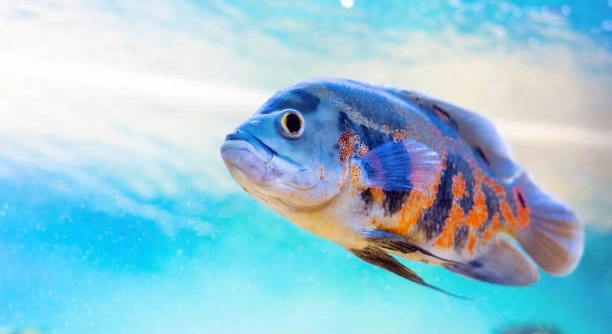
Breeding Oscar fish can be an exciting and rewarding experience for aquarium enthusiasts. However, it requires a good understanding of their needs and behavior to ensure success. Knowing a few essential things will make the process smoother.
Before breeding Oscar fish, it is crucial to prepare the aquarium and ensure it meets the species’ requirements. Proper water conditions, tank size, and the right environment play a vital role in encouraging breeding. Additionally, understanding their behavior and nutrition is essential.
There are several factors to consider when preparing for Oscar fish breeding. Each element contributes to creating an optimal space for your fish to thrive and successfully breed.
Understanding Oscar Fish Breeding Behavior
Oscar fish are known for their unique and sometimes aggressive personalities, especially during breeding. They can be territorial, particularly when they are preparing to mate. To increase the chances of successful breeding, you’ll need to observe their behavior closely. A male and female will often form a pair and begin to display specific rituals. These include cleaning a surface where they plan to lay eggs and chasing off other fish from their area. If the pair is left undisturbed, they will continue their courtship and eventually spawn. It’s important to remember that not all Oscar fish will breed immediately; it may take some time for them to feel comfortable enough to mate.
Their behavior changes can be subtle, so knowing what to watch for can help you prepare. Pay attention to how the fish interact with each other and their environment. Understanding their social dynamics will allow you to give them the space they need during this sensitive time.
During this period, it’s essential to monitor their actions carefully. They may also begin to exhibit signs of aggression as they defend their territory. It is best to leave the breeding pair alone once they have chosen a nesting spot.
Tank Size and Setup for Breeding Oscars
A properly sized tank is crucial for Oscar fish breeding. Oscars are large and active fish, requiring plenty of space to move around.
A minimum of a 75-gallon tank is recommended for a breeding pair. This size ensures the fish have enough room to establish their territory while also preventing overcrowding, which could cause stress. The tank should also be equipped with a filtration system to maintain clean, oxygenated water. Oscars produce a lot of waste, so regular water changes are vital for their health. Additionally, a breeding setup should include flat surfaces such as rocks or plant bases where eggs can be laid and protected. Ensure the water temperature is between 75 and 80°F (24-27°C), as this will encourage spawning. Using a gentle filtration system will prevent eggs from being swept away while also keeping the water quality high.
Remember, your Oscars will need a comfortable and stable environment to breed successfully. If the tank is too small or unstable, the fish may become stressed, which can prevent them from mating.
Water Quality for Breeding Oscars
Oscar fish are sensitive to water quality, especially when breeding. Clean water is essential to keep them healthy and encourage reproduction. Regular water changes and good filtration are key factors in maintaining the ideal environment for your Oscars.
To keep the water quality optimal, you should aim for a stable pH of 6.5 to 7.5. Additionally, ensure that the ammonia and nitrite levels stay at zero, while nitrate levels should be kept under 20 ppm. Regular water changes of 25-30% every week will help maintain these conditions. A good filter is a must, as it will keep the water clean and help reduce the buildup of harmful toxins. Monitor water parameters closely, especially during the breeding period, as changes in water quality can stress the fish and cause them to abandon their eggs.
Temperature control is also important during breeding. The water temperature should stay between 75 and 80°F (24-27°C) to support the fish’s reproductive processes. Keeping a thermometer in the tank will help you monitor the temperature more accurately.
Feeding Oscars Before and After Breeding
Proper nutrition plays a significant role in the breeding success of Oscar fish. Providing a balanced diet will help them stay healthy and prepared for breeding. High-quality foods such as live or frozen shrimp, small fish, and pellets are ideal.
Before breeding, it’s important to feed them a variety of nutrient-rich foods. Offering them high-protein meals will help them develop the energy needed for mating. Once breeding begins, it’s equally important to feed them well to ensure the female fish has enough strength to lay and care for the eggs. You can also try offering vegetable matter occasionally, as it helps with their digestion and overall health. Just remember to remove any uneaten food to prevent water contamination.
After the eggs are laid, continue feeding them nutritious meals, but be cautious about overfeeding. Oscars are known for being aggressive and territorial, especially after they’ve laid their eggs. Excess food can lead to increased waste, which may affect water quality and stress the breeding pair.
Handling Aggression During Breeding
Oscar fish can become highly territorial and aggressive when breeding. This is normal behavior, but it requires careful attention. Any fish that enters the breeding pair’s territory may be chased away or harmed.
It’s important to minimize stress for your Oscars during this time. Removing other fish from the tank can help create a safer environment for the breeding pair. You can also add decorations or plants to provide hiding spots, which will help ease some tension. Be prepared for some aggressive behavior, but try to avoid disrupting the pair’s space.
Monitoring the Eggs and Fry
Once the eggs are laid, you will need to monitor them closely. The female typically lays the eggs on a flat surface, and both parents will guard them carefully.
After the eggs are fertilized, the parents will continue to protect them for about 3-4 days, depending on water conditions. If the water quality is good and the temperature is stable, the eggs will hatch into fry. During this period, it’s essential not to disturb the parents or the eggs too much. After hatching, the fry will rely on the parents for protection and care for another few weeks before they are ready to swim freely and find their own food.
Preparing for the Fry’s Growth
Once the fry are free-swimming, it’s time to provide them with appropriate food. Initially, they will need very small food like infusoria or newly hatched brine shrimp.
At this stage, the fry are vulnerable, and the parents will continue to protect them. However, it’s crucial to offer the fry food multiple times a day to support their rapid growth. Keep the water quality high by performing small water changes and removing excess food. As they grow, you can gradually introduce larger food options.
FAQ
What do Oscar fish need to breed?
Oscar fish require a large tank, stable water conditions, and proper nutrition to breed. The tank should be at least 75 gallons to allow enough space for the breeding pair. The water should have a pH of 6.5 to 7.5 and a temperature between 75 and 80°F (24-27°C). A filter system is also necessary to keep the water clean, as Oscars produce a lot of waste. Providing flat surfaces, like rocks or plant bases, for egg laying is also essential. In addition, Oscars need a variety of foods to ensure they are healthy and strong enough for breeding.
How do you tell if Oscar fish are ready to breed?
Oscar fish display several signs when they are ready to breed. One of the key indicators is a change in their behavior. The male will often chase and display to the female. The pair will also begin to clean a flat surface, like a rock or part of the tank glass, where the eggs will be laid. You might notice the male and female becoming more protective of this area, aggressively chasing away other fish. Their coloration may intensify as well. Once they show these behaviors, breeding is likely imminent.
How long does it take for Oscar fish to breed?
Oscar fish typically take a few weeks to prepare for breeding. The entire process, from courtship to egg laying, can take 1-2 weeks. After the eggs are laid and fertilized, they usually take 3-4 days to hatch, depending on water temperature and quality. Once hatched, the fry will remain in their protective environment for a few weeks before becoming independent. In total, the breeding process can take several weeks, but it can vary depending on the fish and tank conditions.
Can you breed Oscars in a community tank?
Breeding Oscar fish in a community tank can be tricky. Oscars are territorial, especially during breeding. They often become aggressive and may harm other fish. If you choose to attempt breeding in a community tank, it’s best to remove other fish during the breeding process to reduce stress and avoid conflicts. In some cases, it may be necessary to place the breeding pair in a separate tank altogether to give them a safe, undisturbed space to breed.
What happens if Oscar fish eat their eggs?
Oscar fish may eat their eggs if they feel threatened, stressed, or if the eggs are not properly fertilized. This is a normal part of their behavior, but it can be frustrating for those trying to breed them. If the parents are new to breeding, they may not have the experience to properly care for the eggs. In such cases, you can try separating the eggs to a separate tank with appropriate conditions, though the parents may still be protective and attempt to retrieve them. To prevent this, ensure the breeding tank has minimal disturbances and that the fish are healthy and comfortable.
How can you prevent Oscar fish from eating their fry?
Oscar fish are known to protect their fry after hatching, but they can also consume them if they feel insecure or stressed. To prevent this, ensure that the tank conditions are optimal. Keeping the water quality high and ensuring a stable temperature will reduce stress. Once the fry are old enough to swim freely, the parents may be more likely to eat them. To help this, you can try separating the fry from the parents once they are swimming on their own, though this may not always be necessary. Giving the parents a larger space to roam and reducing tank stress can also improve their care for the fry.
When can you separate the fry from the parents?
You should wait until the fry are swimming freely and strong enough to fend for themselves before separating them from the parents. This typically happens 2-4 weeks after hatching. The fry will begin to swim on their own, and at this point, they can be moved to a separate tank if needed. If left with the parents, the fry will continue to receive protection and care. However, once the fry grow large enough, they may start to compete for food, and the parents may become more aggressive.
What should you feed Oscar fry?
Oscar fry require special care when it comes to feeding. Initially, they need very small food such as infusoria or newly hatched brine shrimp. These tiny foods are perfect for their small mouths and help them grow quickly. As they develop, you can gradually introduce larger foods, such as finely crushed pellets, baby fish food, or small pieces of live food. Feeding the fry several times a day is essential to ensure healthy growth. Once they are large enough, you can begin offering them more varied diets, including live or frozen foods like worms, shrimp, and small fish.
How often should I change the water during breeding?
Water changes are essential during the breeding process to keep the tank clean and stable. Oscars produce a lot of waste, which can quickly impact water quality. During breeding, aim for a 25-30% water change every week to maintain optimal conditions. Make sure to use water conditioner to neutralize any harmful chemicals in tap water, and always check the water parameters before and after each change. If the water quality starts to drop, it may cause stress to the Oscars and affect their breeding success.
Can Oscar fish breed in a tank with plants?
Yes, Oscar fish can breed in a tank with plants, but it’s important to choose plants that can tolerate the conditions Oscars require. Since Oscars are territorial and sometimes destructive, they might uproot or damage delicate plants. Using hardy, fast-growing plants like Java Fern or Anubias is a good idea, as they are more likely to survive. Additionally, plants provide hiding spots for fry once they’re old enough to swim freely. Just be aware that too many plants can crowd the tank, reducing space for the fish and affecting the water quality.
What temperature should the water be for breeding Oscars?
For breeding, Oscar fish require a water temperature between 75°F and 80°F (24-27°C). This range encourages natural breeding behavior and helps maintain the health of both the parents and the eggs. If the temperature is too low, breeding might not occur, and the eggs may not hatch. If the water temperature is too high, it could cause stress to the fish and affect the success of the breeding process. Use a reliable aquarium heater to maintain the temperature consistently within this range.
Is it normal for Oscar fish to be aggressive during breeding?
Yes, Oscar fish are naturally more aggressive during breeding. The male may become particularly territorial and protective of the female and their chosen breeding spot. The female may also become defensive. This is normal and part of the breeding process. It’s important to give the breeding pair space and avoid adding any other fish to the tank during this time to reduce stress and aggression. However, excessive aggression, especially towards the female, should be monitored, as it can lead to injury or stress.
Final Thoughts
Breeding Oscar fish can be a fulfilling experience if you take the time to prepare and understand their needs. It’s essential to create the right environment, which includes a spacious tank, proper water conditions, and the right temperature. These factors, along with providing a balanced diet and understanding their behavior, will help make the breeding process smoother. Keep in mind that patience is key, as Oscars might take time to become comfortable enough to breed. Every fish has its own rhythm, and not all Oscar pairs will breed on the first attempt.
During the breeding process, maintaining good water quality is crucial. Oscars are sensitive to changes in their environment, and poor water conditions can lead to stress, causing the fish to abandon their eggs or even become sick. Regular water changes, monitoring pH levels, and ensuring the right temperature will help avoid such issues. Additionally, providing a safe, quiet space for the breeding pair to carry out their activities is important. Avoid disturbing them too much, as stress can significantly hinder their ability to successfully breed and care for the fry.
Finally, while breeding Oscar fish is rewarding, it also requires ongoing care for both the parents and the fry. Once the eggs hatch, the fry need specialized food and attention to grow strong and healthy. Over time, they will become more independent, but they will still require proper care and attention until they’re ready to be separated from their parents. Breeding Oscars is not a quick process, but with the right setup and consistent care, you can enjoy the satisfaction of watching new life thrive in your aquarium.

Hello,
If you enjoy the content that we create, please consider saying a "Thank You!" by leaving a tip.
Every little bit helps us continue crafting quality advice that supports the health, happiness, and well-being of pets around the world, for pets of all shapes, sizes, and species.
We really appreciate the kindness and support that you show us!