
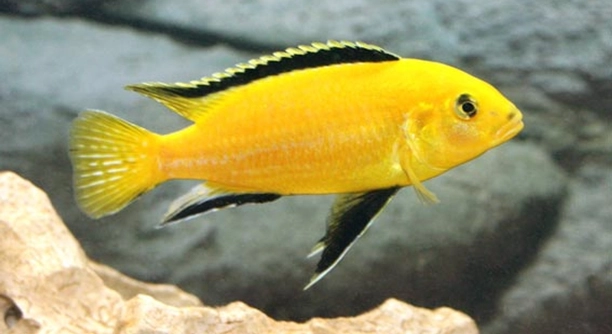
Cichlids are colorful and interesting fish that many aquarium hobbyists want to keep. They bring life and activity to any tank. However, they have specific needs that must be understood before adding them to your aquarium.
Before adding cichlids to a tank, it is important to consider their aggression levels, tank size requirements, water parameters, diet, compatibility with other fish, breeding habits, and tank maintenance needs. Proper preparation ensures a healthy and balanced environment.
Knowing these key points will help you create a successful home for your cichlids. This guide provides essential information to support their care and wellbeing.
Aggression and Compatibility
Cichlids are known for their territorial and sometimes aggressive behavior. Different species vary widely, with some being more peaceful while others can be very aggressive toward tank mates. It is important to research the specific species you want to keep and understand their social needs. Overcrowding or mixing incompatible species can lead to constant fighting and stress. Providing plenty of hiding spots and visual barriers in the tank can help reduce aggression. Watching the fish closely during the first few weeks is key to making adjustments if needed. Compatibility is not just about temperament; it also includes matching size and activity levels. Avoid placing small, slow-moving fish with large, aggressive cichlids. Proper planning will reduce conflict and create a more peaceful environment for all tank inhabitants.
Careful selection of species and tank mates can make the difference between a peaceful aquarium and one full of stress and injuries.
Aggression management requires ongoing observation and occasional tank rearrangements to keep the fish comfortable and safe.
Tank Size and Environment
Cichlids generally need larger tanks than many common aquarium fish. The minimum size depends on the species but starting at 30 gallons is usually recommended. Larger tanks provide more space to establish territories and reduce aggressive encounters. The environment should mimic their natural habitat as closely as possible. Many cichlids come from rocky or sandy regions, so adding rocks, caves, and substrate that suits their behavior will help them feel secure. Proper filtration is essential because cichlids can produce a lot of waste. Water quality must be maintained with regular changes and monitoring. Lighting should support their natural day-night cycle without stressing them. Tank decorations should be arranged to offer hiding places and break lines of sight, which can lessen conflicts.
Balancing these environmental factors is necessary to keep cichlids healthy and thriving.
A well-maintained, spacious tank reduces stress and supports the natural behaviors of cichlids, contributing to their longevity and wellbeing.
Water Parameters
Cichlids need stable water conditions with specific pH and temperature ranges depending on the species. Most African cichlids prefer alkaline water with a pH between 7.8 and 8.6, while South American cichlids thrive in slightly acidic to neutral water.
Maintaining water parameters means regular testing and adjustments. Sudden changes in pH or temperature can stress cichlids, weakening their immune systems. A heater and reliable filter are essential to keep the water stable. Additionally, regular partial water changes help remove toxins and keep the tank clean. Monitoring ammonia, nitrites, and nitrates is also critical to prevent dangerous buildups. Proper water management promotes healthy fish growth and reduces disease risks.
Adjusting water hardness and mineral content may also be necessary. This can be done with aquarium additives or substrate choices, matching the natural habitat of the cichlids you keep.
Diet and Feeding
Cichlids are omnivores with varied diets depending on the species. Providing a balanced diet helps maintain their health and vibrant colors. Most cichlids will eat flakes, pellets, frozen foods, and live food like brine shrimp or bloodworms.
Feeding should be done two to three times daily in small amounts to prevent leftover food from polluting the water. Overfeeding can cause obesity and poor water quality. Some species require more protein, while others need more plant matter. Understanding each species’ dietary needs will ensure proper nutrition. Supplementing with vegetables or algae wafers may be necessary for herbivorous cichlids.
Varying their diet encourages natural foraging behavior and supports a stronger immune system. Avoid sudden diet changes to prevent digestive issues. Consistency in feeding routines helps reduce stress and supports overall wellbeing.
Breeding Habits
Cichlids often display complex breeding behaviors. Many species are territorial and protective of their eggs and fry. Some build nests or clean specific areas for spawning. Understanding these habits helps manage breeding in the tank.
Breeding can increase aggression among adults. It is important to separate fry or provide hiding places to ensure their survival.
Tank Maintenance
Regular tank maintenance is essential for cichlid health. Weekly partial water changes of 20-30% help maintain water quality. Cleaning filters and removing debris prevent toxin buildup. Monitoring water parameters consistently is crucial to catch problems early.
Choosing Tank Mates
Not all fish are suitable companions for cichlids. Tank mates should be chosen based on size, temperament, and habitat preferences. Avoid small or slow fish that may be bullied or eaten. Compatible species include certain catfish, larger tetras, or other cichlids with similar aggression levels.
Signs of Stress
Changes in behavior or appearance often indicate stress in cichlids. Watch for hiding, loss of appetite, color fading, or erratic swimming. Early detection allows for quicker intervention to improve conditions.
What is the best tank size for cichlids?
The ideal tank size depends on the species, but generally, a minimum of 30 gallons is recommended for smaller cichlids. Larger species or groups require tanks of 50 gallons or more. Providing ample space helps reduce aggression and allows fish to establish territories comfortably. Crowded tanks increase stress and health problems.
How often should I change the water in a cichlid tank?
Partial water changes of about 20-30% weekly are best to keep water clean and balanced. This routine helps remove waste and toxins that build up over time. Avoid full water changes unless necessary, as they can shock the fish by drastically changing water parameters.
Can cichlids live with other fish?
Some cichlids can live peacefully with compatible species, but many are territorial and aggressive. Choosing tank mates that are similar in size and temperament reduces conflicts. Avoid small or slow fish that can become targets. Researching each species’ behavior is important before mixing fish.
What water conditions do cichlids need?
Water temperature should usually be between 75°F and 82°F, depending on the species. African cichlids prefer alkaline water with a pH around 7.8 to 8.6, while South American cichlids like neutral to slightly acidic water (pH 6.5 to 7.5). Stable parameters are crucial, so regular testing is necessary.
How do I reduce aggression in a cichlid tank?
Provide plenty of hiding spots and visual barriers using rocks and plants. Avoid overcrowding but keep enough fish to spread out territorial behavior. Introducing fish simultaneously can help balance the hierarchy. If aggression persists, rearranging tank decor or separating the most aggressive individuals may be necessary.
What should I feed my cichlids?
Feed a varied diet consisting of high-quality flakes or pellets formulated for cichlids, supplemented with frozen or live foods like brine shrimp and bloodworms. Some species also require vegetable matter or algae wafers. Feed small amounts two to three times daily, avoiding overfeeding to maintain water quality.
How do I know if my cichlids are stressed?
Signs of stress include hiding for long periods, loss of appetite, faded colors, rapid breathing, and erratic swimming. Stress can result from poor water quality, aggression, or improper tank conditions. Identifying stress early allows for adjustments to improve the fish’s environment and health.
Can cichlids breed in a community tank?
Breeding is possible but often challenging in community tanks due to aggression during spawning and protecting fry. Many cichlids become very territorial when breeding, which can upset other tank inhabitants. Separating breeding pairs or using breeding tanks is recommended for successful reproduction.
What is the lifespan of cichlids?
Cichlids typically live between 5 and 10 years, depending on the species and care provided. Proper diet, stable water conditions, and low stress contribute to a longer lifespan. Some larger species may live over a decade with optimal care.
How often should I clean the tank?
Besides weekly water changes, cleaning the substrate and decorations every few weeks helps prevent algae and waste buildup. Avoid disturbing the tank too much at once to reduce stress. Filters need regular maintenance to function well, but should not be cleaned fully with tap water, as beneficial bacteria may be lost.
Are cichlids good for beginners?
Some species are suitable for beginners due to their hardiness and tolerance of varied conditions. However, others require more experience because of their aggressive nature and specific water needs. Researching the species before purchase is essential for success.
Can I keep multiple cichlid species together?
Mixing multiple cichlid species requires careful planning. Compatibility depends on species size, temperament, and origin. African and South American cichlids should not be mixed due to different water requirements. Even within the same region, aggression levels can vary widely, so tank size and hiding spaces become even more important.
What are common diseases in cichlids?
Cichlids are prone to diseases like ich, fin rot, and bacterial infections, often caused by poor water quality or stress. Quarantining new fish and maintaining clean water reduces risks. Early treatment is important to prevent spread and improve recovery chances.
How do I introduce new cichlids to my tank?
Introduce new fish slowly by acclimating them to the tank’s water temperature and chemistry over a few hours. Adding them during feeding time can reduce aggression. Monitor the tank closely after introduction to catch signs of stress or fighting early.
Is it necessary to use a heater for cichlids?
Yes, most cichlids require stable warm temperatures, which usually means using a reliable aquarium heater. Sudden temperature drops can stress fish and lead to illness. Keep the temperature consistent within the species’ preferred range.
What types of substrate are best for cichlids?
Sand or fine gravel is often recommended, depending on the species. Some cichlids like to dig, so softer substrates prevent injury. African cichlids from rocky habitats may prefer sand with rocks for hiding spots. Avoid sharp or rough substrates that can damage fins.
Caring for cichlids requires careful attention to their unique needs. These fish are not like typical community fish; they have specific requirements for aggression management, tank size, water conditions, and diet. Understanding these aspects before adding cichlids to your aquarium will help create a healthy environment. This preparation reduces stress on the fish and improves their chances of thriving. It also helps prevent common problems such as fights between tank mates or poor water quality. Taking the time to learn about the species you want ensures you can meet their needs properly.
Maintaining the right environment for cichlids involves regular tank upkeep. Water changes, filter cleaning, and monitoring of water parameters are essential tasks to keep the aquarium stable. Since cichlids can produce more waste than other fish, keeping the water clean is especially important. Providing hiding places and enough space also plays a big role in reducing aggression. Tank decoration should be planned carefully to create territories and reduce conflicts. Observing your fish regularly helps identify early signs of stress or illness, allowing you to act before problems worsen.
Adding cichlids to a tank can be rewarding when done correctly. Their colors and behaviors make them fascinating to watch. However, success depends on respecting their specific care needs. Choosing the right species, managing aggression, feeding balanced diets, and keeping water conditions stable are all important. By following these guidelines, you will create a suitable environment that supports their health and longevity. With patience and proper care, cichlids can be a vibrant and active part of your aquarium for many years.

Hello,
If you enjoy the content that we create, please consider saying a "Thank You!" by leaving a tip.
Every little bit helps us continue crafting quality advice that supports the health, happiness, and well-being of pets around the world, for pets of all shapes, sizes, and species.
We really appreciate the kindness and support that you show us!