
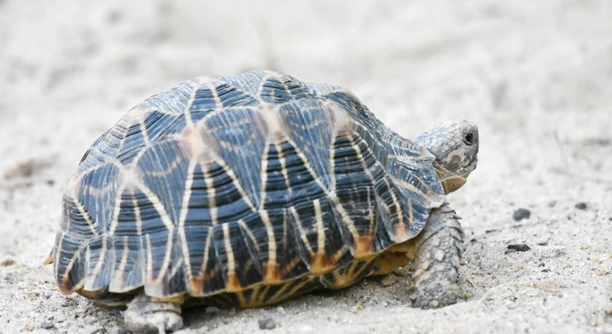
The Indian Star Tortoise is a fascinating species, known for its distinctive shell patterns. Its feeding habits are equally unique and important for its well-being. Understanding these habits ensures proper care and nutrition for the tortoise.
The Indian Star Tortoise’s natural feeding habits involve consuming a variety of plants, including grasses, fruits, and flowers. They are primarily herbivores, with a preference for high-fiber foods. Proper nutrition is essential to their health and longevity.
Their diet is key to their overall health, and understanding it can make a big difference in their care.
Diet of the Indian Star Tortoise
The Indian Star Tortoise is primarily herbivorous, and its diet plays a critical role in its health. Wild tortoises graze on a variety of plants, including grasses, leaves, and flowers. In captivity, they can be fed a similar diet that mimics their natural feeding habits. High-fiber foods such as dandelion greens, hibiscus flowers, and certain fruits like papaya are ideal. Offering a range of plant materials will help maintain proper digestion and prevent issues such as shell deformities or obesity. It’s important to avoid feeding them foods high in oxalates, such as spinach, as it can cause kidney problems over time.
A varied diet is key to keeping your tortoise healthy. Providing a balance of fibrous plants and occasional fruits ensures that your pet gets the nutrients it needs for a strong, well-formed shell and overall good health.
Tortoises require fresh water daily, and it should always be available in their habitat. It’s important to clean their water bowl regularly to prevent bacteria growth and ensure hydration.
Foods to Avoid
There are certain foods that should be avoided at all costs when feeding the Indian Star Tortoise. These include processed foods, dairy, and meat. Tortoises are strictly herbivores and should never be given animal-based foods. Feeding these can lead to digestive issues and other health complications. Additionally, some plants, like iceberg lettuce, offer little nutritional value and can cause diarrhea.
It’s also essential to avoid overfeeding fruits. While they provide beneficial vitamins, too much sugar can lead to obesity and other related issues. A balanced approach to feeding will help your tortoise thrive, both in captivity and the wild.
Feeding Frequency
The Indian Star Tortoise doesn’t require frequent meals. In the wild, they graze on plants throughout the day, but in captivity, feeding every two to three days is typically sufficient. Their metabolism is slow, and overeating can lead to health problems.
Offering food in moderation ensures they are not overfed or underfed. For young tortoises, more frequent feedings are necessary to support their growth, while adults require less food to maintain their weight. A consistent feeding schedule helps maintain their health and prevent obesity.
Portion control is essential when feeding these tortoises. The amount should be adjusted based on age, activity level, and the type of food being offered. It’s better to feed them smaller portions than to overfeed, which can lead to unwanted health concerns.
Vitamin and Mineral Requirements
The Indian Star Tortoise requires specific vitamins and minerals to maintain a healthy shell and strong bones. Calcium is especially crucial, as it supports their skeletal structure and shell growth. Offering calcium-rich plants, like clover, will help fulfill this need.
In addition to calcium, vitamin D3 is necessary for proper calcium absorption. Exposure to natural sunlight or UVB lighting in captivity will help produce vitamin D3. This is important for their overall bone health, as deficiencies can lead to metabolic bone disease.
A calcium supplement can be added to their diet, especially if they are kept indoors and have limited sun exposure. It’s vital to balance these supplements to avoid overdosing, which can be harmful.
Fiber and Digestion
Fiber is a crucial part of the Indian Star Tortoise’s diet. It supports proper digestion and helps avoid issues like constipation. Grasses, hay, and fibrous plants are excellent sources of fiber for your tortoise.
A lack of fiber can lead to digestive problems, which can affect their overall health. Offering a variety of high-fiber foods will help keep their digestive system working properly. Ensure that they always have access to fresh, fibrous materials.
Healthy digestion leads to a well-balanced tortoise. When the fiber content of their food is sufficient, it promotes regular bowel movements and supports nutrient absorption.
Hydration
Fresh water is essential for the Indian Star Tortoise. While they can go without food for a few days, they cannot go without water for long. Make sure fresh water is always available.
Providing water daily helps keep the tortoise hydrated and supports their overall health. Even if they do not drink much, having access to clean water is important for proper kidney function and overall well-being. Always ensure the water is clean and free of contaminants.
FAQ
What should I feed my Indian Star Tortoise?
Indian Star Tortoises thrive on a diet of grasses, leafy greens, and certain fruits. Good choices include dandelion greens, clover, and hibiscus flowers. Fruits like papaya and melon can be offered occasionally. Avoid feeding them high-oxalate foods like spinach, as it can cause kidney issues.
How often should I feed my Indian Star Tortoise?
Adult Indian Star Tortoises typically need feeding every two to three days. Young tortoises, however, may require food more frequently to support their growth. Always adjust the feeding schedule based on age, size, and activity level.
Can Indian Star Tortoises eat fruits?
Yes, they can eat fruits but in moderation. Fruits like papaya, melon, and berries can be given occasionally. Too much fruit can cause obesity due to its high sugar content, so it should not be a regular part of their diet.
Do Indian Star Tortoises need supplements?
Yes, calcium and vitamin D3 are essential for the Indian Star Tortoise. Calcium helps maintain their shell and bone health. If your tortoise does not get enough natural sunlight, you can use a UVB light to help them produce vitamin D3 for proper calcium absorption.
How do I know if my Indian Star Tortoise is healthy?
A healthy tortoise will have a firm and smooth shell, clear eyes, and be active. Watch for signs of lethargy, irregular shell growth, or changes in appetite. These could indicate a health problem, and a vet should be consulted immediately.
Can I feed my Indian Star Tortoise lettuce?
You can feed them lettuce, but avoid iceberg lettuce. It offers little nutritional value and may cause diarrhea. Romaine lettuce or other darker leafy greens are better choices, but should still be offered in moderation.
Is it okay to give my tortoise weeds from the garden?
You can give weeds from the garden, but be cautious. Make sure the plants have not been treated with pesticides or chemicals. Weeds like dandelions and clover are safe, but avoid anything toxic, such as foxglove or oleander.
How much should I feed my tortoise?
The amount depends on your tortoise’s size and age. A general rule is to provide enough food that they can consume in one sitting. Overfeeding can lead to obesity and health problems. Younger tortoises may require more food, while adults need less.
Can Indian Star Tortoises be kept in groups?
While Indian Star Tortoises can live with others, they tend to be solitary creatures. Males, in particular, may become territorial. If you are keeping multiple tortoises, ensure they have enough space to avoid fighting, especially during feeding times.
What is the ideal habitat for an Indian Star Tortoise?
A spacious enclosure with a mix of dry and humid areas is ideal for an Indian Star Tortoise. It should include a basking area with a heat source, UVB lighting, and hiding spaces. The habitat should also have access to clean water and be free from drafts.
Do Indian Star Tortoises need a heat source?
Yes, they need a basking area with a heat source, such as a heat lamp. The temperature in the basking area should range between 90-95°F (32-35°C). The rest of the enclosure should have a cooler area for the tortoise to regulate its body temperature.
Can Indian Star Tortoises hibernate?
Indian Star Tortoises can go into a form of hibernation during the cooler months, known as brumation. However, in captivity, they may not go through this process naturally. If you’re planning to allow them to brumate, ensure the environment is safe and the tortoise is healthy beforehand.
How long do Indian Star Tortoises live?
Indian Star Tortoises can live up to 50-100 years with proper care. Their lifespan is influenced by their diet, environment, and overall health. Providing a well-balanced diet, appropriate habitat, and regular health check-ups will help ensure a long life.
How do I clean my Indian Star Tortoise’s enclosure?
Regular cleaning is important to keep your tortoise’s environment healthy. Remove uneaten food, clean water bowls, and spot clean the substrate daily. A deep cleaning should be done every few weeks, disinfecting surfaces and replacing the bedding to prevent bacteria buildup.
Final Thoughts
Caring for an Indian Star Tortoise requires understanding their natural diet, habitat, and behavior. By offering a variety of leafy greens, grasses, and occasional fruits, you ensure that your tortoise gets the nutrients it needs. Supplements like calcium and vitamin D3 are important to maintain a healthy shell and bones. Regular monitoring of their feeding schedule, hydration, and overall health will help prevent common issues. Providing a suitable environment, with proper lighting, heat, and space, plays a key role in their well-being.
Feeding the Indian Star Tortoise requires careful balance. Overfeeding, especially with fruits or high-protein foods, can lead to obesity and other health problems. It’s best to keep their diet focused on fiber-rich plants and grasses while limiting their fruit intake. Make sure to provide access to clean water daily to help maintain proper hydration. Additionally, if your tortoise is not getting enough natural sunlight, using UVB lights can help them produce vitamin D3, which is essential for calcium absorption.
Their longevity and health depend largely on the care and attention they receive. Regular health checks, observing their behavior, and adjusting their environment as needed will help ensure your tortoise lives a long and healthy life. With the right food, proper care, and a suitable habitat, your Indian Star Tortoise can thrive for many years. By following these basic guidelines, you create an environment where your tortoise can be happy, active, and healthy.

Hello,
If you enjoy the content that we create, please consider saying a "Thank You!" by leaving a tip.
Every little bit helps us continue crafting quality advice that supports the health, happiness, and well-being of pets around the world, for pets of all shapes, sizes, and species.
We really appreciate the kindness and support that you show us!