
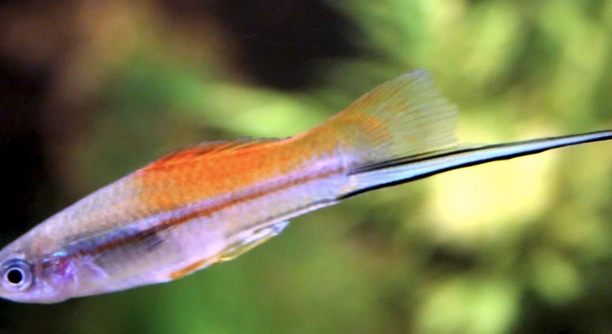
Swordtails are popular fish in home aquariums, known for their vibrant colors and lively personalities. If you’re thinking of keeping them, it’s important to understand their behavior for a happy, healthy tank environment.
Swordtails are active fish that enjoy swimming in groups and displaying social behaviors. They are generally peaceful but can show territorial tendencies, especially males. Providing ample space and hiding spots helps reduce stress and aggression among them.
Learning more about their behavior will help you create a thriving environment for these active swimmers. Knowing their social needs, aggression tendencies, and how to care for them can enhance your aquarium experience.
1. Swordtail Social Behavior
Swordtails are social fish that thrive in groups. They enjoy interacting with other fish, especially their own kind. In the wild, they are often found in schools, which helps with protection and social bonding. Keeping a group of swordtails in your tank is important for their well-being. When kept alone, they can become stressed or anxious. A group of at least three to five swordtails is ideal for creating a sense of community within the tank.
They tend to swim together and explore their environment, often following each other around. They also communicate through body language, with subtle movements that indicate their mood. Swordtails can be curious and will swim up to the tank glass to observe their owners or other fish. They are generally peaceful, but males can display some aggression toward each other, especially during mating season. To avoid stress, it’s best to have more females than males in the tank.
Keeping swordtails in a group not only helps them feel secure but also encourages natural behaviors, such as schooling and exploring. With the right environment, your swordtails will be active and engaging, creating a lively atmosphere in your tank. Adding plants and rocks as hiding spots can also help them feel more comfortable and reduce territorial disputes among males.
2. Territorial Behavior
Swordtails can be territorial, especially males. This becomes noticeable when there are not enough females in the tank. Males might compete with each other, chasing or flaring their fins to establish dominance. This is a normal part of their behavior, but if aggression becomes constant, it’s a sign the tank setup needs adjustment.
In a smaller tank, territorial issues are more likely to occur. When males feel crowded, they might aggressively guard their space, which can lead to stress for the other fish. Adding plants or decorations can help break up the tank into separate zones, allowing swordtails to establish their territories without conflict. It’s also a good idea to provide plenty of hiding spots to reduce stress levels. In larger tanks, swordtails generally feel less threatened and can coexist more peacefully.
Maintaining a balance of males and females is crucial to reducing aggressive behavior. If your tank has a higher number of males, the aggression is more likely to intensify. To avoid this, make sure there’s an adequate number of females, so no male feels outnumbered or overly competitive.
3. Swordtail Mating Behavior
Male swordtails are known for their vibrant colors and long tails, which they use to attract females. When courting, they perform a display where they swim in circles and show off their fins. This behavior is common during mating season. The males become more active and try to impress females with their beauty and agility.
Females are typically more subdued and will choose a mate based on the male’s physical traits and behavior. They are less aggressive, but they will often resist advances from males that are too persistent. If a female is ready to mate, she will position herself in a way that signals interest to the male. Mating usually occurs when the male touches the female with his modified fin, known as the gonopodium.
Mating can be intense and frequent, especially when several males compete for a single female’s attention. However, females will usually only mate with one male at a time. Once fertilized, females can store sperm and give birth to live young later, without needing another mate. It’s important to provide plenty of space for all swordtails to reduce stress during mating.
4. Aggression and Stress
Stress in swordtails often comes from overcrowding, lack of hiding spots, or competition for mates. Aggressive behavior typically happens when males feel threatened or when there aren’t enough females to go around. This can lead to chasing, fin nipping, or territorial disputes.
To reduce aggression, ensure your tank is large enough for all the swordtails to feel comfortable. Provide decorations, plants, and rocks to help break up the space and create zones where fish can claim territory without feeling overcrowded. Also, consider having more females than males in the tank to lessen competition.
Over time, stress can weaken a swordtail’s immune system, making it more susceptible to disease. It can also lead to a decrease in their vibrant colors, as stressed fish often lose some of their natural beauty. Keeping them in a calm, well-maintained tank will help prevent these issues, promoting a healthier and happier swordtail.
5. Feeding Behavior
Swordtails are opportunistic feeders and will eat a variety of foods. They enjoy a mix of plant-based and protein-rich foods, such as algae, brine shrimp, and finely chopped vegetables. They will happily eat what is offered but should be fed in moderation to avoid overfeeding.
Feeding swordtails is simple, but it’s important to ensure they are getting a balanced diet. Offering both flakes and pellets alongside occasional live or frozen foods is best. It’s also crucial to vary their diet, as it helps maintain their health and vibrant colors. Swordtails may also nibble on plants, so be cautious when adding vegetation.
6. Activity Levels
Swordtails are active swimmers, known for their constant movement and exploration. They tend to swim in all areas of the tank, both at the top and near the bottom. This active behavior helps them maintain their fitness and natural behavior patterns.
Their activity is often more noticeable during the day when they are most active. They also enjoy interacting with other fish in their tank and will often follow them around or swim together in a school. Providing them with a variety of objects to explore, such as plants or rocks, will encourage their natural behaviors and help keep them active and engaged.
7. Juvenile Swordtail Behavior
Juvenile swordtails tend to be more skittish and may hide more often than adults. As they grow, they start to become more social and active, mimicking the behaviors of their parents. It’s important to provide juvenile swordtails with a peaceful environment, free from excessive stress or aggressive adults.
Though they are small and vulnerable when young, juvenile swordtails begin to show curiosity and will eventually interact more with other fish. They rely on hiding spots until they feel safe enough to swim freely. With time and patience, they will become just as active as the adults.
FAQ
What is the ideal tank size for swordtails?
Swordtails need plenty of space to swim and display their natural behaviors. A minimum tank size of 20 gallons is recommended for a small group of swordtails. Larger tanks provide more room for them to thrive, especially if you’re keeping multiple males. If you’re adding other fish, make sure there is enough space to prevent overcrowding, as this can lead to stress and aggression. A larger tank also makes it easier to maintain water quality, which is important for swordtail health.
What should I feed my swordtail fish?
Swordtails are omnivores and enjoy a variety of foods. A mix of high-quality fish flakes or pellets, supplemented with frozen or live foods such as brine shrimp or daphnia, is ideal. Vegetables like spinach, zucchini, and peas can be offered occasionally. Make sure to feed them small amounts 2-3 times a day to avoid overfeeding, as this can pollute the tank and lead to health problems.
Do swordtails need to be kept in groups?
Yes, swordtails are social fish that thrive in groups. Keeping them in schools of at least 3 to 5 individuals helps reduce stress and encourages natural behavior. A single swordtail can become lonely and anxious, and males may become more aggressive. A mix of males and females is best, but be sure to have more females than males to prevent too much competition and aggression among the males.
Are swordtails aggressive?
Swordtails are generally peaceful but can show aggression, especially males during breeding season. Males may fight for territory or compete for females. Aggressive behaviors can also occur if there is not enough space or if the tank is overcrowded. To minimize aggression, provide hiding spots and ensure there is enough room for all swordtails to swim freely. Adding more females than males can also reduce male-to-male competition.
How can I tell if my swordtail is sick?
Common signs of illness in swordtails include loss of appetite, lethargy, faded colors, abnormal swimming behavior (like floating at the surface or staying near the bottom), and visible lesions or swollen areas. If you notice these symptoms, check the water quality first, as poor water conditions are a common cause of illness. If necessary, isolate the sick fish and consult a veterinarian who specializes in fish care.
Do swordtails need a heater?
Yes, swordtails are tropical fish and require warm water to stay healthy. A heater is essential to maintain a water temperature between 72°F and 82°F (22°C to 28°C). Sudden temperature fluctuations can stress swordtails and make them more vulnerable to disease. A reliable aquarium heater, paired with a thermometer, will help keep the water at a stable temperature, ensuring your swordtails are comfortable.
Can swordtails live with other fish?
Swordtails are generally peaceful and can live with other fish that share similar water temperature and pH requirements. Suitable tankmates include peaceful species like guppies, tetras, and corydoras catfish. Avoid aggressive or territorial fish, as they may cause stress or harm to the swordtails. It’s always a good idea to research potential tankmates to ensure they are compatible.
How often should I clean the tank for swordtails?
Maintaining clean water is crucial for swordtail health. Perform partial water changes of about 20-30% every 1-2 weeks. Be sure to clean the filter regularly and remove any excess debris from the substrate. In addition to water changes, vacuuming the substrate helps to remove uneaten food and waste. Keeping the tank clean reduces the risk of disease and promotes a healthier environment for your swordtails.
What is the lifespan of a swordtail?
Swordtails typically live for 3 to 5 years in a well-maintained tank, though some may live longer with proper care. Their lifespan depends on water quality, diet, and overall tank conditions. Regular monitoring of the tank environment and providing a healthy diet can help ensure your swordtails live a long, happy life.
How do I know if my swordtail is pregnant?
Pregnant female swordtails are usually more rounded in the belly area as they carry developing fry. You may also notice a darker spot near the back of the belly, known as the gravid spot, which indicates the presence of embryos. Pregnant swordtails may swim more slowly and spend more time near the surface of the tank. The gestation period is typically 3-4 weeks, and once the fry are ready, the female will give birth to live young. Provide plenty of hiding spots for the fry, as adult swordtails may eat them.
Final Thoughts
Swordtails are vibrant, active fish that can make a great addition to your aquarium. Their social nature and peaceful behavior, when properly managed, make them fun to watch and easy to care for. They thrive in groups and enjoy exploring their environment, which means providing them with a spacious tank filled with plants, rocks, and other hiding spots is key. They’re not overly demanding, but they do require a balanced diet and a stable, clean environment to stay healthy.
While they are generally peaceful, swordtails can become territorial, especially the males. To avoid aggression, it’s essential to have enough space and ensure there are more females than males in the tank. This helps maintain harmony among your fish and prevents any stress that could result from overcrowding or competition. By paying attention to these factors, swordtails can live in peace with other species and create a lively aquarium atmosphere.
Swordtails are also relatively easy to breed, making them a good choice for those looking to raise fish in a home aquarium. With proper care, they can live for several years and provide endless enjoyment as they swim around and interact with their surroundings. As long as you meet their basic needs for space, water quality, and social interaction, swordtails will thrive and bring color and movement to your tank. Keep an eye on their behavior, and you’ll enjoy these dynamic fish for a long time.

Hello,
If you enjoy the content that we create, please consider saying a "Thank You!" by leaving a tip.
Every little bit helps us continue crafting quality advice that supports the health, happiness, and well-being of pets around the world, for pets of all shapes, sizes, and species.
We really appreciate the kindness and support that you show us!