
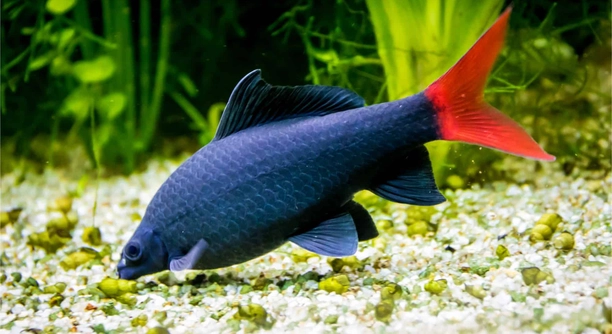
Are your rainbow sharks acting restless or avoiding certain areas of the tank, making you wonder if something is off with the water?
Rainbow sharks prefer water temperatures between 75°F and 81°F. Maintaining a stable temperature within this range helps support their metabolism, behavior, and overall health. Fluctuations outside this range may lead to stress, illness, or territorial aggression.
Learning how to manage temperature changes can help your rainbow shark thrive in a well-balanced and peaceful aquatic environment.
Ideal Water Temperature Range for Rainbow Sharks
Rainbow sharks do best in water temperatures ranging from 75°F to 81°F. This range supports their immune system, keeps their activity level stable, and helps them avoid unnecessary stress. Water that is too cold slows their metabolism, while water that’s too warm can reduce oxygen levels and lead to erratic behavior. Consistency is key—sudden drops or rises in temperature may lead to health issues or increased aggression. Using a high-quality aquarium heater with a built-in thermostat helps maintain a steady environment. Digital thermometers are also useful for monitoring changes throughout the day. It’s important to avoid placing the tank near windows or heaters to prevent temperature fluctuations.
Rainbow sharks are sensitive to changes in their environment, and even minor shifts can make a big difference in their comfort.
Keep your tank setup stable by checking the temperature regularly, especially during seasonal transitions or after water changes. Stability keeps stress levels low.
How Temperature Affects Behavior and Health
Sudden changes in temperature often lead to unusual swimming, hiding, or increased territorial behavior in rainbow sharks. Cold water can make them sluggish, while warm water can cause them to become overly active or anxious.
Behavior and health are directly linked to temperature. When the water is kept within their preferred range, rainbow sharks swim more confidently, feed regularly, and show a balanced level of energy. Stress caused by unstable temperatures can lower their immune response, making them more vulnerable to infections, parasites, and fin damage. You might also notice changes in color or increased aggression when conditions aren’t right. Consistently high temperatures can reduce oxygen levels in the water, which may lead to heavy breathing and restlessness. For tanks with multiple species, unbalanced conditions might also trigger conflicts. Regular monitoring with accurate tools and adjusting the room temperature or tank equipment as needed can help prevent problems before they begin.
Common Causes of Temperature Fluctuations
Room temperature changes, faulty heaters, and direct sunlight can quickly impact your tank’s temperature. Even routine water changes using water that’s too cold or too warm can throw things off. It doesn’t take much to affect rainbow sharks.
Using low-quality heaters or ones without thermostats often leads to unreliable water temperatures. A heater that cycles too frequently or fails to turn on properly can create spikes or dips. Similarly, placing the tank near windows or heating vents can cause temperatures to rise or fall throughout the day. Aquarium lights left on too long can also contribute to warming. Always match new water to the tank’s existing temperature when doing water changes. This keeps the environment stable and reduces stress. Checking your heater regularly for signs of wear or malfunction can prevent long-term issues. Stability helps keep rainbow sharks active and calm without triggering health problems or erratic behavior.
Installing a digital thermometer can help you track changes more accurately. Manual thermometers sometimes give inconsistent readings, especially when placed near heaters or filters. Move your thermometer around occasionally to check for hot or cold spots in the tank. This helps ensure the whole tank stays within the safe range, not just one area.
Tools That Help Maintain a Stable Temperature
Aquarium heaters with adjustable thermostats are one of the best ways to control temperature. Some even come with built-in displays that show the current temperature in real time. This takes out the guesswork.
Pairing a high-quality heater with a reliable thermometer allows you to monitor and adjust the tank as needed. Look for heaters that are fully submersible and have a strong wattage match for your tank size. Smaller tanks may need less power, but they also cool and heat faster, so consistency is harder to maintain. Consider using a backup heater in case one fails—especially if you live in an area with power outages or colder seasons. For cooling, small fans or chillers are useful if your home gets warm. Room temperature control also helps; try keeping your tank away from direct sun or vents. Daily checks, even quick ones, keep everything under control and your rainbow shark safe.
Signs Your Rainbow Shark Is Too Hot or Cold
If your rainbow shark is too cold, it may become sluggish, eat less, or spend more time hiding. You might also see it hovering near the heater, trying to stay warm.
Overheated rainbow sharks often swim erratically or breathe heavily. You may also notice them avoiding the upper parts of the tank.
How Tank Mates and Size Affect Temperature
Smaller tanks change temperature quickly, making it harder to keep things stable. If your tank is under 20 gallons, even a slight room temperature shift can impact the whole system. Larger tanks hold heat longer but also take longer to adjust. Tank mates can also influence temperature needs. Some species prefer cooler or warmer water, and balancing everyone’s preferences takes planning. Make sure all your fish have similar requirements before adding them to the same tank. Having too many fish can also generate more heat or disrupt water flow, which affects temperature consistency. A well-planned tank setup makes things easier to manage for all species.
The Role of Lighting in Temperature Control
Aquarium lights left on for long periods can raise water temperatures, especially in smaller tanks. Using LED lights instead of older bulb styles helps reduce this issue and keeps things stable.
FAQ
What is the best temperature for rainbow sharks?
Rainbow sharks thrive in temperatures between 75°F and 81°F. Staying within this range supports their health and natural behavior. Temperatures below or above this range can stress the fish, slow their metabolism, or cause aggression. It’s important to keep the water stable without sudden shifts.
How do I know if my rainbow shark is too cold or too hot?
When too cold, rainbow sharks tend to be sluggish and hide more than usual. They may also stop eating or move slowly. If the water is too warm, they might swim erratically or breathe heavily. You could see increased aggression or restlessness as well. Watching their behavior closely helps catch temperature problems early.
Can I use any heater for my rainbow shark tank?
Not all heaters are suitable. Use a fully submersible heater with an adjustable thermostat that matches your tank size. Smaller tanks heat up quickly, so the wattage should be appropriate to avoid overheating. Reliable brands with good reviews are worth the investment. Avoid cheap, unregulated heaters that cause temperature spikes.
How often should I check the water temperature?
Daily checks are best, especially if your tank doesn’t have an automated system. This helps catch fluctuations before they cause stress or illness. Use a digital thermometer for accuracy, and check different spots in the tank to avoid temperature gradients.
Can temperature changes cause disease in rainbow sharks?
Yes. Stress from fluctuating temperatures weakens their immune system, making them more vulnerable to infections, parasites, and fin rot. Keeping the temperature stable reduces the chance of disease and supports quicker recovery if illness occurs.
Is it necessary to have a backup heater?
Having a backup heater is a smart idea, especially in colder climates or areas prone to power outages. If your primary heater fails, the backup can prevent dangerous drops in temperature that could harm your rainbow shark.
How do water changes affect temperature?
Using water that is a different temperature than the tank can cause sudden shifts that stress fish. Always prepare new water to match the tank’s current temperature before adding it. This keeps the environment stable and avoids shock.
Does tank size affect temperature control?
Yes. Smaller tanks are more prone to temperature swings, as less water volume heats and cools quickly. Larger tanks take longer to change temperature but are generally more stable. Choosing the right heater and monitoring more carefully is essential for small tanks.
Can lighting affect the water temperature?
Yes. Aquarium lighting, especially older or high-intensity bulbs, can raise water temperature over time. LED lights are a better option since they produce less heat. Be mindful of how long lights stay on to avoid unwanted warming.
What should I do if my rainbow shark shows signs of stress from temperature?
First, check the temperature and adjust it if needed. Stabilize the environment as much as possible. If behavior or health issues continue, consider consulting a vet or aquatic specialist. Treat any secondary infections promptly and avoid rapid temperature changes during treatment.
Are there any temperature-related signs that indicate illness?
Loss of appetite, clamped fins, lethargy, faded colors, and unusual swimming patterns can all point to temperature-related stress or illness. Monitoring behavior closely helps catch problems early.
Can I keep rainbow sharks with fish that prefer different temperatures?
It’s best to choose tank mates with similar temperature needs. Mixing fish that require cooler or warmer water can cause stress for one or both species. This complicates maintaining a stable environment and can lead to health problems.
How do I handle temperature control during seasonal changes?
Seasonal shifts in room temperature can impact your tank. Use heaters or chillers to compensate and avoid placing the tank near windows or vents. Regular temperature checks become even more important during these times.
Is it okay if the temperature fluctuates a few degrees daily?
Small, gradual changes within the preferred range are usually okay. Rapid or large shifts are stressful. Aim to keep temperature stable to reduce risk of stress or illness. Consistency matters more than absolute temperature as long as it stays in the safe zone.
Maintaining the right water temperature for your rainbow shark is essential to keeping it healthy and active. These fish have specific temperature needs that help regulate their metabolism and behavior. Staying within the range of 75°F to 81°F allows them to thrive and reduces the risk of stress or illness. Sudden changes in temperature can cause discomfort and weaken their immune system, making them more vulnerable to disease. Consistency is key, so using reliable equipment like a good heater and thermometer will help keep the water stable. Regular monitoring is important, especially during water changes and seasonal shifts, to ensure your rainbow shark’s environment remains comfortable.
Temperature doesn’t just affect the fish directly; it also influences the tank’s overall ecosystem. For example, water that is too warm may lower oxygen levels, which can harm all your aquatic life. Tank mates with different temperature requirements can create challenges when maintaining a balanced environment. It’s important to choose compatible species that can live comfortably within similar temperature ranges. Also, equipment like aquarium lights and the location of the tank can contribute to temperature changes, so paying attention to these details helps maintain a steady environment. Taking these steps will make the tank a safer and more peaceful home for your rainbow shark.
Understanding the importance of temperature control can improve your experience as a fish keeper and the well-being of your rainbow shark. Simple habits like daily temperature checks, using appropriate heaters, and preparing water correctly during changes can prevent many problems. When issues do arise, identifying temperature as a factor can guide quick and effective solutions. The more consistent you keep the environment, the healthier and more vibrant your rainbow shark will be. This care supports not only their physical health but also their natural behavior, helping them to display the colors and activity levels that make them such interesting aquarium inhabitants.

Hello,
If you enjoy the content that we create, please consider saying a "Thank You!" by leaving a tip.
Every little bit helps us continue crafting quality advice that supports the health, happiness, and well-being of pets around the world, for pets of all shapes, sizes, and species.
We really appreciate the kindness and support that you show us!