
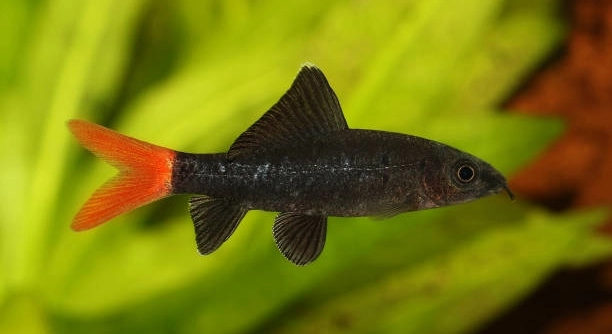
Rainbow Sharks are popular aquarium fish known for their striking colors and active behavior. Many fishkeepers enjoy watching them swim, but their territorial nature can sometimes cause challenges in community tanks. Understanding their instincts helps create a peaceful environment.
Rainbow Sharks exhibit strong territorial instincts, often defending their chosen areas aggressively against other fish. These behaviors include chasing intruders and establishing clear boundaries, which can affect tank harmony. Recognizing these traits is essential for proper tank setup and fish compatibility.
Knowing how Rainbow Sharks claim and protect their space can improve tank management and reduce conflicts. This article explores seven key facts to help you care for these fascinating fish.
Understanding Rainbow Shark Territorial Behavior
Rainbow Sharks are naturally territorial fish that stake out specific areas in the aquarium. They prefer to claim spots near hiding places such as rocks or plants. This behavior helps them feel secure and reduces stress. When another fish enters their territory, Rainbow Sharks may display chasing or nipping actions to defend their space. This instinct is strong, especially in smaller tanks where space is limited. It’s important to provide enough room and plenty of hiding spots to minimize aggression. Proper tank setup allows each fish to have its own area, making conflicts less frequent. Over time, Rainbow Sharks may become less aggressive as they grow used to tank mates, but their territorial nature remains. Recognizing and respecting this behavior is key to maintaining harmony in your aquarium.
Territorial instincts in Rainbow Sharks are driven by their need to establish safety zones.
Setting up your tank to accommodate their space needs prevents unnecessary stress and aggression.
Signs of Territorial Aggression in Rainbow Sharks
Territorial aggression in Rainbow Sharks shows in several ways. They may chase other fish, especially those that enter their chosen area. Tail nipping and sudden lunges are common signs of this behavior. This aggression is more noticeable when tank space is tight or when there are few hiding places available. Sometimes, Rainbow Sharks will patrol the tank continuously to keep other fish away. These behaviors can cause stress or injury to tank mates if not managed properly. It’s also normal for Rainbow Sharks to be more territorial during feeding times, as they protect food sources. Watching your fish carefully helps you identify these behaviors early and take steps to reduce tension.
Aggression often occurs when territories overlap or when new fish are introduced without enough space.
To reduce aggression, ensure the tank is large enough and has plenty of structures for hiding.
Managing Territory Conflicts in Your Aquarium
Preventing conflicts starts with tank size. A minimum of 30 gallons is recommended for one Rainbow Shark, with more space needed for additional fish. Adding rocks, plants, and decorations creates natural barriers and breaks up lines of sight, which helps reduce territorial disputes. When introducing new fish, do so gradually and observe their interactions closely. Rearranging tank decorations occasionally can disrupt established territories, making the fish reset their boundaries and lower aggression. It is also important to select tank mates carefully—choosing species that are peaceful and occupy different levels of the tank helps avoid clashes. Consistent feeding routines and providing multiple feeding spots can prevent food-related fights. With proper care and attention to territory needs, Rainbow Sharks can coexist peacefully in community tanks.
Keeping an eye on their behavior and adjusting the environment as needed ensures a balanced and healthy aquarium for all your fish.
Tank Setup to Support Territorial Needs
A well-structured tank is essential for managing Rainbow Shark territory. Plenty of hiding spots and visual barriers reduce stress and aggression.
Creating different zones in the tank gives Rainbow Sharks their own space, which helps keep peace. Use rocks, driftwood, and plants to build barriers and break up open swimming areas. These structures prevent constant eye contact between fish, which can trigger territorial fights. Providing enough space for each fish is important, especially in community tanks. Larger tanks reduce competition for space and make it easier to maintain harmony. Rearranging decorations from time to time also helps reset territorial boundaries and decreases aggressive behavior.
Avoid overcrowding by keeping tank population balanced. Regular tank maintenance and stable water conditions further support a calm environment where territorial instincts are less likely to cause harm.
Choosing Compatible Tank Mates
Picking the right tank mates can reduce territorial conflicts. Avoid aggressive or very active species that might provoke your Rainbow Shark.
Ideal companions are peaceful fish that swim at different tank levels or prefer hiding rather than confrontation. Bottom dwellers or mid-level swimmers usually do well with Rainbow Sharks. Avoid fish with similar shapes or behaviors to reduce competition. Species that tolerate the same water parameters but don’t compete for territory help maintain balance. Introducing tank mates gradually while monitoring interactions allows you to spot early signs of trouble. Compatibility isn’t guaranteed, but careful selection improves the chances of a peaceful community.
Ultimately, a thoughtful approach to tank mates supports a healthier, less stressful environment for your Rainbow Shark and all other fish.
Feeding and Territorial Behavior
Feeding time can increase territorial behavior in Rainbow Sharks. They may become protective over food sources and chase other fish away.
Providing multiple feeding spots helps reduce competition. Spreading out food ensures all fish get their share without triggering fights.
How to Introduce New Fish to a Rainbow Shark Tank
Introducing new fish requires caution. Start by quarantining new arrivals to avoid disease. Place them in a separate container within the tank, called a breeder box, so the Rainbow Shark can see but not reach them.
This allows the Rainbow Shark to get used to the newcomers’ presence without direct contact. After a few days, monitor interactions closely when releasing new fish. Be ready to intervene if aggression becomes excessive.
Territorial Behavior Changes Over Time
Territorial instincts may lessen as Rainbow Sharks mature and adjust to their environment. Older fish often show more tolerance toward tank mates.
However, some individuals remain strongly territorial throughout their lives. Watching behavior regularly helps ensure the tank remains peaceful and balanced.
FAQ
How aggressive are Rainbow Sharks toward other fish?
Rainbow Sharks can be quite territorial and aggressive, especially toward fish that invade their space. They tend to chase and nip at other fish to defend their area. However, their aggression usually depends on tank size, environment, and tank mates. In a well-structured tank with enough hiding spots, aggression is less frequent.
Can Rainbow Sharks live peacefully in community tanks?
Yes, they can live in community tanks if conditions are right. A large tank with plenty of space and hiding places helps reduce territorial disputes. Choosing compatible tank mates that swim at different levels or are less aggressive also improves harmony. Regular observation helps catch issues early.
What tank size is recommended for Rainbow Sharks?
A minimum of 30 gallons is recommended for one Rainbow Shark. Larger tanks are better when keeping more fish or multiple Rainbow Sharks, as this provides enough space for territories and reduces stress.
Do Rainbow Sharks get more aggressive during breeding?
Rainbow Sharks don’t breed easily in home aquariums, and breeding behavior isn’t well-documented. However, during any potential breeding period, territorial behavior may increase, as fish become protective of their space.
How can I reduce aggression between Rainbow Sharks?
Providing multiple hiding spots, a large tank, and frequent rearrangement of decorations can help reduce aggression. Also, avoid keeping more than one Rainbow Shark in a small tank, as they tend to fight over territory.
Is it normal for Rainbow Sharks to chase each other?
Yes, it is normal behavior because they are territorial by nature. Chasing helps establish dominance and maintain boundaries. If chasing is constant and aggressive, it could mean the tank is too small or there aren’t enough hiding places.
What are the best tank mates for Rainbow Sharks?
Peaceful fish that swim in different tank zones, such as mid-level or top-dwelling species, usually get along with Rainbow Sharks. Examples include tetras, gouramis, and danios. Avoid aggressive or very active species that might provoke territorial disputes.
Can Rainbow Sharks be kept with other bottom dwellers?
It depends on the species. Some bottom dwellers like Corydoras catfish, which are peaceful and occupy different niches, can coexist well. Avoid aggressive bottom dwellers or similar-shaped fish that might compete for the same territory.
How often should I feed Rainbow Sharks to avoid aggression?
Feeding once or twice daily is sufficient. Providing food in multiple spots at the same time reduces competition and territorial fights. Consistent feeding routines help keep behavior predictable and calmer.
What should I do if a Rainbow Shark injures other fish?
If aggression leads to injury, separate the aggressive fish temporarily to allow healing. Review tank setup and tank mates to reduce triggers. Increasing space, hiding spots, or rearranging decorations may help. In extreme cases, consider rehoming overly aggressive individuals.
Do Rainbow Sharks recognize their owners?
While they may not recognize owners like some pets, Rainbow Sharks can become accustomed to your presence and feeding routine. They may swim near you or become more active when you approach the tank.
Can stress increase territorial behavior in Rainbow Sharks?
Yes, stress from overcrowding, poor water conditions, or lack of hiding places can increase aggression. Maintaining stable water parameters and a well-planned tank environment reduces stress and limits territorial disputes.
How can I tell if my Rainbow Shark is too stressed?
Signs include constant hiding, loss of color, erratic swimming, or excessive aggression. If these appear, test water quality, check tank conditions, and consider changes to reduce stressors.
Is it okay to keep more than one Rainbow Shark together?
It can be risky in smaller tanks because they often compete for territory. In very large tanks with enough space and hiding spots, multiple Rainbow Sharks may coexist, but close monitoring is necessary.
Are Rainbow Sharks nocturnal or active during the day?
Rainbow Sharks are generally more active during the day. They swim around the tank, defend their territory, and search for food mostly when there is light.
How long do Rainbow Sharks live in home aquariums?
With proper care, Rainbow Sharks can live 5 to 7 years or longer. Good tank conditions and proper diet contribute to a healthy lifespan.
What type of diet supports Rainbow Shark health?
Rainbow Sharks are omnivores and benefit from a varied diet. High-quality sinking pellets, supplemented with vegetables and occasional live or frozen foods, keep them healthy and reduce stress.
Can territorial behavior change if a Rainbow Shark is stressed or sick?
Yes, stress or illness may make them more irritable or lethargic. Observing changes in behavior helps detect health issues early and allows timely intervention.
Is it necessary to rearrange tank decorations often?
Rearranging decorations occasionally can help disrupt established territories, reducing ongoing aggression. However, frequent changes may also stress fish, so balance is key.
Do Rainbow Sharks need specific water parameters to reduce territorial aggression?
Stable water temperature between 72-79°F (22-26°C) and neutral pH around 6.5-7.5 support their well-being. Good water quality reduces stress, which in turn lowers aggression levels.
If more questions come up, I’m here to help clarify anything about Rainbow Shark territorial instincts and care.
Rainbow Sharks are beautiful and interesting fish with strong territorial instincts. Understanding their behavior is important for anyone who keeps them in an aquarium. Their need to protect space is natural and can sometimes cause tension with other fish. However, with the right tank setup and care, this behavior can be managed effectively. Creating enough room and providing hiding places helps Rainbow Sharks feel safe and reduces aggressive encounters.
Setting up a tank with proper decorations, like plants, rocks, and driftwood, gives these fish the chance to claim their own space. This division of territory helps keep peace in the aquarium. Choosing compatible tank mates is also essential. Fish that stay in different parts of the tank or are less aggressive make good companions. Feeding habits play a role as well. Providing food in multiple spots lowers competition and helps Rainbow Sharks focus less on guarding resources.
Watching your Rainbow Sharks regularly and adjusting their environment when needed will make a big difference. Some territorial behavior is normal, but if it becomes excessive, changes may be necessary. Over time, Rainbow Sharks may calm down as they get used to their tank mates and surroundings. Maintaining good water quality and a balanced diet also supports their health and behavior. Overall, knowing what to expect from their territorial instincts helps ensure a healthier and more peaceful aquarium for everyone.

Hello,
If you enjoy the content that we create, please consider saying a "Thank You!" by leaving a tip.
Every little bit helps us continue crafting quality advice that supports the health, happiness, and well-being of pets around the world, for pets of all shapes, sizes, and species.
We really appreciate the kindness and support that you show us!