
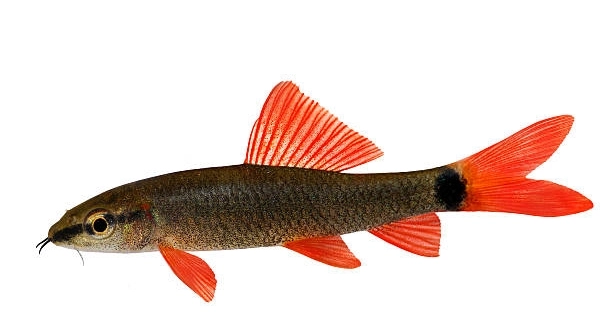
Are your rainbow sharks acting territorial or chasing other fish around the tank, leaving you unsure about what’s normal behavior?
Rainbow sharks are naturally territorial fish, especially in confined or overcrowded tanks. Their social behavior is influenced by tank size, tank mates, and environmental setup. Understanding these factors can help minimize aggression and promote peaceful cohabitation.
From tank dynamics to social compatibility, learning about their behavior will help you create a more stable and stress-free environment.
Rainbow Sharks Prefer Their Own Space
Rainbow sharks are known for being highly territorial, especially as they mature. In most cases, they do best when housed alone or in a large enough tank that allows them to claim their own space. Crowded conditions or the presence of similar-looking fish can trigger aggressive behavior. These fish use body language, such as flaring fins or chasing, to assert dominance. While juveniles may appear more tolerant, adult rainbow sharks tend to become defensive and intolerant of tank mates that invade their territory. Providing hiding spots and visual barriers, like plants and rocks, helps reduce stress and aggression. If the tank is too small, fights can break out, leading to injuries or constant harassment. This species simply doesn’t thrive in social clusters and often interprets other fish as a threat to their comfort zone. Giving them space and structure makes a huge difference in their behavior and overall well-being.
Rainbow sharks are not naturally social and often react negatively to fish that look like them.
If you’re keeping a rainbow shark, make sure your tank is at least 50 gallons with strong separation between territories. Avoid housing them with other bottom-dwelling fish or similar-shaped species to prevent territorial conflict. Visual barriers can ease tension and support calmer interactions.
Signs of Aggression You Should Watch For
Territorial chases and fin nipping are the most obvious signs of stress in rainbow sharks.
When rainbow sharks feel their space is being threatened, they begin to chase or nip at other fish. These behaviors often escalate in smaller tanks or tanks without enough decorations to break up sightlines. You might also notice one fish hiding more or becoming less active, which could be a sign it’s being bullied. Constant stress affects overall health, leading to poor coloration, reduced appetite, and a weaker immune system. If left unchecked, one dominant shark may end up taking control of most of the tank space, forcing other fish into corners. Rearranging decorations occasionally can help disrupt territorial boundaries and encourage a fresh start. Sometimes, simply moving tank elements or adjusting lighting can reduce aggression. Watching your fish closely during feeding times is a good way to spot tension early. If aggressive behavior becomes constant, consider separating the fish to protect the less dominant ones.
Tank Mates Can Influence Behavior
Tank mates play a big role in how rainbow sharks behave. The wrong pairing can trigger constant aggression and stress for all fish involved. Stick with fast-swimming, top-level fish that won’t challenge them.
Rainbow sharks usually don’t tolerate other bottom dwellers or slow-moving species. Fish like corydoras, plecos, or loaches often end up being targets. Instead, choose fish that occupy different tank levels and swim quickly, like danios, rasboras, or barbs. These types tend to avoid direct confrontation and help maintain a more balanced environment. Avoid keeping more than one rainbow shark in the same tank unless it’s extremely large and heavily decorated. Tank mates should be introduced carefully, and the layout should be adjusted if signs of tension appear. Keeping a close eye during the first few days helps prevent problems early. The more space and structure you provide, the less likely your rainbow shark is to act out.
Overcrowding increases stress and makes territorial fish more reactive. Even peaceful tank mates can trigger aggression if space is limited. Always check how large your tank is before adding new fish. A long, horizontal layout gives the rainbow shark more ground to claim and makes it easier for other fish to stay out of its way.
Changes in Environment Affect Mood
Small changes in tank setup or water quality often shift a rainbow shark’s behavior almost instantly.
Rainbow sharks are sensitive to disruptions in their space. Sudden rearrangements, lighting changes, or shifts in water parameters can make them anxious or aggressive. They depend on familiar surroundings to feel secure. Removing key decorations or hiding spots may cause the shark to patrol the tank more often or lash out at other fish. Consistency in layout and water quality supports stable behavior. Test your water weekly, maintain a consistent temperature, and avoid loud noises or vibrations near the tank. When changes are needed, make them gradually and monitor your fish closely after each adjustment.
Poor water quality can also increase stress, even if everything else looks fine. High nitrate levels, pH imbalances, or temperature swings may not be obvious right away, but they still impact behavior. Keeping a regular cleaning schedule, avoiding overfeeding, and checking your filter flow help prevent these problems. A clean and stable tank reduces the chance of aggression and encourages healthier, calmer behavior overall.
Feeding Time Can Trigger Aggression
Rainbow sharks can become more territorial during feeding. If food isn’t spread out or if tank mates eat slowly, they may chase others away. Using sinking pellets or feeding in multiple spots can help reduce this tension.
Aggressive behavior often increases if the shark feels it needs to compete for food.
Size and Age Matter
Younger rainbow sharks tend to be less aggressive, especially in a well-planned tank. As they grow, they become more dominant and territorial. Larger sharks often take control of more space and display more dominant behaviors. Early signs of chasing or fin flaring usually appear as they approach maturity. Tank mates that were once tolerated may suddenly become targets, especially if they get too close to the shark’s claimed area. If you plan to keep a rainbow shark long term, make sure your setup is prepared for this shift. Choosing tank mates that age well alongside them is key to keeping peace in the tank.
Each Fish Has Its Own Temperament
Some rainbow sharks are naturally more tolerant than others. Personality differences affect how they react to tank mates and territory.
FAQ
How aggressive are rainbow sharks toward other fish?
Rainbow sharks can show moderate to high aggression, especially toward fish that resemble them or share the same tank zone. Their territorial nature means they defend their space vigorously, often chasing or nipping at intruders. Aggression tends to increase as they mature or if the tank is overcrowded. Providing enough room and hiding places can reduce conflicts, but some level of territorial behavior is normal for this species.
Can rainbow sharks live peacefully with other fish?
Yes, but tank conditions must be right. Rainbow sharks do better with fast-swimming, mid-to-top dwelling fish that won’t compete for the same space. Avoid other bottom dwellers or similar-looking species. Compatibility depends on tank size, decoration, and water conditions. Proper planning and observation during introductions are essential to minimize stress and aggression.
How large should my tank be for a rainbow shark?
A minimum of 50 gallons is recommended for one rainbow shark. Larger tanks provide more space to establish territories and reduce aggression. If you plan to keep more than one or have many tank mates, increase tank size accordingly. Horizontal swimming space is more important than height for these active fish.
Why does my rainbow shark chase other fish?
Chasing is a natural territorial behavior. When rainbow sharks feel their space is threatened, they chase away other fish to protect their area. This behavior may worsen in small tanks or when hiding spots are limited. Increasing tank size or adding decorations to create barriers can help ease this issue.
Can two rainbow sharks live in the same tank?
Two or more rainbow sharks can live together only in very large tanks with plenty of hiding spaces. Otherwise, they often fight over territory. Introducing them at the same time and providing visual barriers helps reduce aggression, but this setup is generally not recommended for smaller tanks.
What causes sudden aggression in rainbow sharks?
Changes in environment, water quality, or tank mates can trigger sudden aggression. Rearranging the tank, fluctuations in temperature or pH, and overcrowding all contribute. Stress from poor water conditions weakens their tolerance, making aggressive behavior more frequent. Maintaining stable, clean water and a consistent layout prevents surprises.
How can I reduce aggression during feeding?
Feed sinking pellets or food spread over multiple areas to prevent competition. Feeding only in one spot encourages territorial chasing. Observe feeding habits and ensure all fish get enough food to reduce stress and protect slower eaters from harassment.
Do rainbow sharks get along better with certain fish species?
Rainbow sharks get along best with fast, active fish that swim in the upper and middle levels of the tank. Species like danios, barbs, and rasboras are good options. Avoid slow bottom dwellers or similar-shaped fish to prevent conflict. Proper selection helps keep the tank peaceful.
How do I know if my rainbow shark is stressed?
Signs of stress include dull coloration, hiding excessively, loss of appetite, and constant chasing or fin nipping. Stress also weakens their immune system, making them prone to illness. Regular monitoring and maintaining good water quality reduce these risks.
Can decorations help with rainbow shark aggression?
Yes, decorations like rocks, plants, and driftwood create visual barriers that break up territory lines. These hiding spots allow fish to escape aggression and reduce direct confrontations. Rearranging decorations occasionally can also disrupt established territories and lower tension.
Rainbow sharks have unique social behaviors that can sometimes seem challenging for aquarium keepers. Their territorial nature means they often prefer having their own space and can become aggressive if they feel crowded or threatened. Understanding this behavior is key to providing a suitable environment that keeps them healthy and calm. Creating enough space with a well-decorated tank helps reduce aggression. Decorations such as plants, rocks, and hiding spots give the shark places to claim and offer retreat areas for other fish. This setup supports a more balanced community where each fish can feel secure.
Maintaining good water quality and a consistent environment plays an important role in their social behavior. Rainbow sharks are sensitive to sudden changes in temperature, water parameters, and tank arrangement. These factors can cause stress and lead to increased territorial disputes or aggressive actions. Regular water testing and gradual adjustments to the tank reduce stress levels and improve the overall mood of the fish. Feeding practices also influence behavior. Feeding in several spots and using sinking pellets ensures food is shared fairly, preventing competition and chasing. Careful observation during feeding times can help spot early signs of tension before it escalates.
While rainbow sharks can live peacefully with certain fish species, tank size and fish choice matter a lot. Larger tanks with plenty of swimming space allow them to coexist with fast, active fish that stay in different tank levels. Avoiding other bottom dwellers or fish with similar shapes prevents unnecessary conflicts. Sometimes, individual personality differences affect how tolerant a rainbow shark is toward tank mates. Some sharks may be more aggressive or shy than others. Being aware of these differences and adjusting the tank setup accordingly can make keeping rainbow sharks a rewarding experience. Overall, providing space, stable conditions, and compatible companions helps these fish thrive in home aquariums.

Hello,
If you enjoy the content that we create, please consider saying a "Thank You!" by leaving a tip.
Every little bit helps us continue crafting quality advice that supports the health, happiness, and well-being of pets around the world, for pets of all shapes, sizes, and species.
We really appreciate the kindness and support that you show us!