
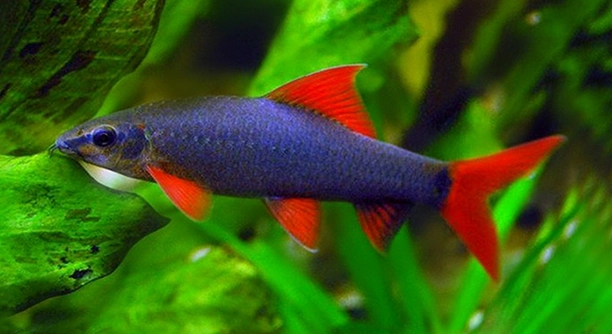
Are you thinking about feeding your rainbow shark the right foods but feel unsure what their natural diet really looks like?
In the wild, rainbow sharks feed on algae, insect larvae, small crustaceans, and plant matter. Their diet is mainly herbivorous but includes occasional protein from live or frozen sources, helping maintain their energy levels and vibrant appearance.
Understanding these natural eating habits can help you choose the right food and create a balanced, healthy diet in your aquarium.
What Rainbow Sharks Eat in the Wild
Rainbow sharks are primarily herbivores, but they do include some animal-based food in their diet. In their natural freshwater habitats, they feed on algae growing on rocks and submerged surfaces. They also eat decaying plant matter, which provides essential fiber and nutrients. Insects, insect larvae, and tiny crustaceans like daphnia or copepods add variety and some protein. This balanced mix supports their energy levels and helps them maintain a healthy immune system. They spend most of their time scavenging near the bottom, so their food sources are naturally diverse. Keeping this in mind helps aquarists offer similar nutrition in tanks.
Algae and soft plant matter form the bulk of their diet, while occasional insects and crustaceans help meet their protein needs.
If you’re trying to mirror their natural eating habits in an aquarium, offering a mix of spirulina-based flakes, blanched vegetables, and frozen protein sources will keep them healthy and active without disrupting their digestion.
How Their Natural Diet Affects Behavior
Rainbow sharks become territorial if their diet lacks variety or doesn’t meet their needs. This can cause stress or aggression in community tanks.
A proper diet directly affects how rainbow sharks behave. When they’re fed a natural mix of plant-based foods and occasional protein, they tend to stay active but less aggressive. In the wild, they spend most of their time grazing, so replicating that behavior in captivity helps reduce boredom and agitation. Algae wafers, spirulina flakes, and soft greens like zucchini or spinach offer slow-grazing opportunities. Frozen protein like bloodworms or brine shrimp, fed once or twice a week, meets their occasional craving for animal-based nutrients. Without enough plant matter, their digestion can slow down, and without protein, their color may dull. A balanced diet also supports immune health and reduces the chance of infections. When their food needs are met, rainbow sharks become easier to manage and show more consistent swimming and feeding patterns.
Foods to Avoid Feeding Rainbow Sharks
Avoid feeding rainbow sharks high-fat meats, bread, or anything processed. These can lead to poor digestion and affect their overall health. Stick to simple, whole ingredients that resemble what they would naturally find in their freshwater environment.
Feeding them the wrong types of food can create long-term issues. Meaty leftovers like beef or chicken are too rich and fatty for their system, and processed foods—such as crackers or bread—offer no real nutritional value. These items can cause bloating, constipation, and even lead to organ stress. Goldfish flakes or other fish foods not made for bottom-dwellers may also fall short in nutrients, especially if they lack plant matter. Try to keep feeding close to their natural intake, avoiding anything heavily salted, spiced, or made for humans. A rainbow shark’s digestive system works best with soft, plant-based foods and occasional protein that mimics the insects or larvae they’d find in the wild.
Stick to specific types of aquarium-safe vegetables and avoid random produce. Onions, garlic, and citrus can irritate their digestive tract. Even vegetables like peas should be shelled and blanched before feeding. Make sure anything added to the tank is pesticide-free and cut into manageable sizes. Feeding inappropriate foods can quickly lead to water quality issues.
Feeding Frequency and Portion Control
Feed rainbow sharks once or twice a day in small portions they can finish within a few minutes. Overfeeding leads to uneaten food, which clouds the water and increases ammonia levels.
Feeding frequency plays a big role in their long-term health. It’s best to stay consistent with feeding times, offering enough food to keep them satisfied without leftovers. Because rainbow sharks graze naturally, small, controlled feedings help mimic their wild behavior. Overfeeding not only affects water quality but also puts stress on their digestive system, causing bloating or constipation. Avoid dumping in large amounts of food all at once. Even if they seem eager, more food doesn’t equal better care. Mix up their portions with spirulina flakes one day and blanched vegetables the next. Add frozen protein just two or three times a week. By keeping portions small and meals regular, you support both their health and the cleanliness of your tank.
Importance of a Varied Diet
Offering the same food every day can lead to nutritional gaps. Mixing vegetables, algae-based flakes, and occasional protein sources keeps their diet balanced and prevents them from becoming picky or inactive over time.
A varied diet also supports color vibrancy and natural activity levels. It keeps their immune system strong and digestion steady.
How Tank Mates Influence Eating Habits
Tank mates can affect how rainbow sharks eat. Aggressive or fast-feeding species may outcompete them for food, causing stress or underfeeding. It’s important to monitor feeding times and make sure your rainbow shark gets its share, especially when sharing space with mid or top-level swimmers. Sinking foods can help ensure access.
Natural Feeding Behavior
Rainbow sharks naturally graze along surfaces, searching for algae and soft plant matter. This instinct should be encouraged in tanks through algae wafers and fresh vegetables placed on the substrate.
What do rainbow sharks eat besides algae?
Rainbow sharks eat more than just algae. In addition to grazing on algae, they consume insect larvae, small crustaceans, and decaying plant matter. These protein sources are important for their growth and energy. In an aquarium, this can be mimicked with frozen or live foods like bloodworms, brine shrimp, or daphnia, offered occasionally to provide variety and maintain their health.
Can rainbow sharks eat flakes or pellets?
Yes, rainbow sharks can eat flakes or pellets, but it’s best to choose those formulated for bottom feeders or herbivorous fish. Look for products rich in plant-based ingredients like spirulina. Pellets should sink quickly, allowing the shark to feed comfortably near the bottom, mimicking their natural grazing habits.
How often should rainbow sharks be fed?
Feeding once or twice a day is sufficient. Small amounts that the fish can consume within a few minutes work best. Overfeeding can cause water quality problems and digestive issues. It’s important to monitor their appetite and adjust portion sizes accordingly.
Is it okay to feed rainbow sharks vegetables?
Absolutely. Vegetables like zucchini, cucumber, peas (shelled), and spinach provide important fiber and nutrients. Always blanch vegetables to soften them before feeding. This makes it easier for the fish to eat and digest. Avoid any vegetables treated with pesticides or chemicals.
Can rainbow sharks eat live food?
Yes, live foods like bloodworms, brine shrimp, or small insect larvae are excellent protein sources. Feeding live food occasionally replicates their natural diet and helps keep them active and engaged. However, it should only be a part of their diet, not the main food.
What foods should I avoid giving my rainbow shark?
Avoid processed human foods, bread, or fatty meats like beef or chicken. These can cause digestive problems and pollute the tank water. Also, avoid citrus fruits, onions, and garlic as they can irritate the fish’s digestive tract. Stick to safe, aquarium-appropriate foods.
How can I tell if my rainbow shark is getting enough food?
A well-fed rainbow shark will be active and maintain bright coloration. They should swim near the bottom, foraging calmly during feeding times. If the fish is constantly hiding or showing signs of weight loss, it might be underfed or stressed by tank mates.
What if my rainbow shark refuses food?
Refusal to eat can be caused by stress, illness, or poor water conditions. Check tank parameters and look for signs of disease. Try offering a variety of foods, including live or frozen options. Sometimes changing feeding time or location helps reduce competition with other fish.
Can rainbow sharks eat algae wafers?
Yes, algae wafers are a convenient way to provide plant-based nutrients. They sink slowly, allowing the shark to graze naturally. Choose wafers made for herbivorous or omnivorous fish to ensure balanced nutrition.
Do rainbow sharks need protein in their diet?
Yes, protein is essential but only in moderate amounts. Rainbow sharks primarily eat plants, but occasional protein from insect larvae or small crustaceans helps maintain muscle health and vibrant colors. Overfeeding protein can lead to health problems, so balance is key.
Should I soak dry food before feeding?
Soaking dry food briefly before feeding can help prevent digestive issues by softening it. It also reduces the chance of the food swelling inside the fish’s stomach. Soaking can be especially helpful for pellets or flakes.
How can I encourage natural grazing behavior?
Offer sinking foods like algae wafers and place fresh vegetables on the tank bottom. This mimics natural conditions and encourages the fish to forage along surfaces. Adding natural decorations like rocks or driftwood can also support their grazing instincts.
Can rainbow sharks survive on just algae?
While algae is a big part of their diet, rainbow sharks need more than that to thrive. A mix of plant matter and occasional protein keeps them healthy. Feeding only algae may lead to nutritional deficiencies and poor health over time.
Is it safe to feed rainbow sharks human food scraps?
No, human food scraps can contain spices, salt, and oils harmful to fish. They also lack necessary nutrients and can pollute the water. Stick to foods designed for aquarium fish to ensure safety and proper nutrition.
What are signs of poor diet in rainbow sharks?
Signs include dull colors, lethargy, bloating, constipation, and increased hiding. Poor appetite or aggressive behavior can also indicate nutritional problems. Address diet issues promptly to avoid long-term health effects.
Rainbow sharks have specific dietary needs that are important to understand for their health and well-being. Their natural diet mainly consists of algae, soft plant matter, and small amounts of protein from insect larvae or tiny crustaceans. Replicating this balanced diet in an aquarium helps keep them active, vibrant, and less prone to illness. Providing a mix of plant-based foods, such as spirulina flakes or algae wafers, along with occasional frozen or live protein, creates a good nutritional balance. Paying attention to the quality and variety of foods ensures that they receive all the nutrients they need.
Feeding rainbow sharks the right amount and types of food also plays a key role in maintaining a healthy tank environment. Overfeeding or offering unsuitable foods can lead to water quality issues, stress the fish, and even cause digestive problems. Small, controlled feedings once or twice a day are usually enough, and leftovers should be removed to prevent decay. Avoid processed or fatty foods that don’t match their natural diet, and choose vegetables that are safe and easy to digest. Consistency in feeding times and portion sizes helps regulate their digestion and behavior, making it easier to care for them.
Lastly, observing your rainbow shark’s behavior and physical condition can give important clues about their diet and health. A healthy rainbow shark is active, brightly colored, and shows natural grazing habits. Changes in appetite, color fading, or unusual hiding may indicate diet problems or illness. Adjusting the diet by adding variety or checking water conditions can help resolve these issues. Overall, understanding the natural diet of rainbow sharks and providing appropriate food in the right amounts supports their long-term health and enhances the enjoyment of keeping these fish in your aquarium.

Hello,
If you enjoy the content that we create, please consider saying a "Thank You!" by leaving a tip.
Every little bit helps us continue crafting quality advice that supports the health, happiness, and well-being of pets around the world, for pets of all shapes, sizes, and species.
We really appreciate the kindness and support that you show us!