
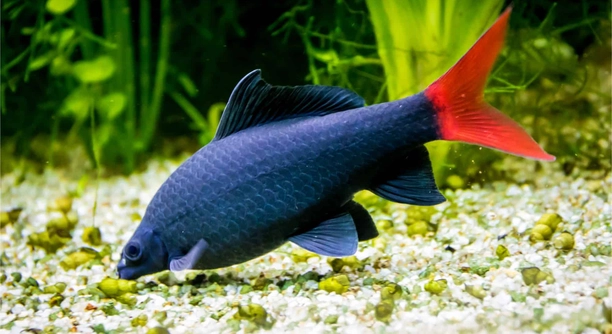
Have you ever watched your rainbow shark zip around the tank and wondered what those quick movements really mean? Their behavior can be surprising for first-time owners. Understanding it is key to a peaceful aquarium.
Rainbow sharks are territorial freshwater fish known for their active and sometimes aggressive behavior. They often claim space and may chase other fish, especially in confined environments. Despite their bold nature, they are not typically harmful when housed properly.
Observing their natural tendencies can help create a balanced habitat and reduce stress. Each action has meaning, and learning these patterns will make care easier and more effective.
Rainbow Sharks Are Naturally Territorial
Rainbow sharks are known for claiming specific areas in the tank. They often choose a cave, plant, or structure and guard it, chasing away other fish that get too close. This is normal for their species and not a sign of poor health or aggression toward everything around them. These movements are part of their instinct to protect space and establish dominance. If your tank is too small or lacks hiding spots, this behavior can become more intense. Adding plants, decorations, and plenty of swimming room helps reduce tension. Make sure tank mates are fast and non-aggressive. Avoid housing them with other bottom dwellers or similar-looking fish. Watching how your rainbow shark interacts with others is important for keeping the environment peaceful. Territorial behavior may seem aggressive, but it can be managed with thoughtful tank setup and proper fish combinations that support natural separation and movement throughout the tank.
Tank layout plays a big role in how a rainbow shark acts. A more open tank with plenty of hiding places helps prevent constant chasing and stress.
They enjoy their space and want to feel secure in it. Giving them enough room can calm behavior and improve overall tank harmony.
They Are More Active During the Day
Rainbow sharks are diurnal, meaning they are active during the day and rest at night. You’ll likely see them swimming, exploring, or chasing other fish throughout the daylight hours.
Their daytime activity is guided by their natural rhythm and environmental comfort. Good lighting and consistent water conditions help support this pattern. A stable light cycle with regular on and off times lets them develop a healthy routine. If lights stay on too long, it may cause stress or disrupt sleep. On the other hand, if your rainbow shark seems overly aggressive or sluggish during the day, it might signal something is wrong in the tank. Bright colors, fast swimming, and healthy curiosity are good signs. At night, they usually rest near their chosen hiding spot. Reducing noise and light in the evening helps them feel more secure. Supporting their daily habits keeps them active, alert, and less prone to stress.
They May Chase Other Fish
Rainbow sharks often chase tank mates to protect their space. This behavior is common, especially in smaller tanks or with certain fish. It usually isn’t harmful, but it can stress other fish if it happens too often.
Chasing is one way rainbow sharks set boundaries. If other fish get too close to their territory, they may quickly swim after them to push them away. This isn’t always a sign of aggression—it’s a natural behavior linked to dominance. Problems can start when tank mates are slow or have nowhere to hide. Fish like guppies or bottom dwellers may feel cornered and become anxious. To avoid this, use a tank that is at least 55 gallons, with plants or caves to break the line of sight. Spacing out hiding spots allows each fish to find its own area. This setup helps reduce unwanted chasing and supports peaceful tank conditions.
Some chasing is normal, but it shouldn’t turn into constant harassment. Watch how your rainbow shark behaves daily. If one fish is being targeted too often, it may be a sign the tank isn’t balanced. A larger tank, better layout, or different tank mates may be needed to ease tension and allow all fish to coexist peacefully.
They Do Not Like Other Rainbow Sharks
Housing more than one rainbow shark in the same tank often leads to serious conflict. They are highly territorial with their own kind and don’t usually tolerate another rainbow shark nearby, especially in smaller spaces.
Keeping a single rainbow shark is the best option for a calm tank. When two are placed together, one will typically try to dominate the other, leading to stress, injuries, or even death. If you want more than one, a large tank—at least 125 gallons—with clear barriers and visual breaks is required. Even then, there’s no guarantee they will get along. Their behavior toward similar-looking fish like red-tail sharks or albino rainbow sharks is often just as aggressive. These fish are better off kept alone or with completely different species. A peaceful tank depends on choosing the right combination of fish and giving each the space it needs to feel secure.
They Use Hiding Spots to Rest
Rainbow sharks need hiding places to feel safe and relaxed. Caves, plants, and decorations offer them shelter where they can rest without being disturbed. These spaces also help reduce tension with other fish in the tank.
A secure hiding spot gives them a sense of control. It’s where they retreat when tired or stressed. Without it, they may become more aggressive or uneasy around tank mates.
They Like to Swim Along the Bottom
Rainbow sharks are bottom dwellers and prefer to swim near the lower part of the tank. This area is their comfort zone, and they often glide along the gravel or rest near their hiding spot. They may occasionally explore higher levels, but most of their movement stays low. Because of this behavior, it’s important not to house them with other territorial bottom dwellers like certain catfish or loaches. These shared preferences can lead to conflict, even in well-sized tanks. Give them a smooth substrate and clear paths to swim freely. It helps keep their movements natural and their behavior calm.
They React to Changes in Water Conditions
Rainbow sharks are sensitive to sudden changes in temperature, pH, or water hardness. Poor conditions can make them more aggressive or sluggish, so keeping the water stable helps maintain healthy behavior.
FAQ
Why is my rainbow shark hiding all the time?
If your rainbow shark is hiding constantly, it may be feeling stressed or threatened. This is common in new tanks or after a recent change in setup. Poor water conditions, bright lights, or aggressive tank mates can also cause them to stay hidden. Make sure there are plenty of hiding spots, stable water parameters, and calm tank mates. Hiding isn’t always bad—it can simply mean your shark feels safe in its spot. But if the behavior is new or sudden, it’s worth checking your tank’s conditions to make sure nothing is off.
Can rainbow sharks live with other fish?
Yes, but they need the right tank mates. Rainbow sharks can be aggressive if other fish invade their space, especially bottom dwellers. Fast-swimming fish that stay in the middle or upper levels of the tank usually do better. Avoid fish with similar shapes or colors, as the rainbow shark may mistake them for competition. Suitable companions include barbs, danios, and certain types of tetras. A tank that is at least 55 gallons helps give each fish its own space. Careful planning helps reduce tension and keeps your tank peaceful.
Do rainbow sharks sleep?
Rainbow sharks do rest, but not like humans. They don’t close their eyes or lie completely still, but they do slow down and often settle near their favorite hiding spot when it’s dark. They follow a natural day-night rhythm, which is why keeping a regular light schedule is important. Too much light or activity at night can disturb their rest. If you notice your shark less active during the night, it’s likely just resting. This is a normal and healthy part of their daily routine.
Why is my rainbow shark chasing one specific fish?
This behavior usually points to a territory issue. Rainbow sharks may see one fish as a threat or an invader of their space, especially if that fish swims near the bottom or looks similar. If the chasing is constant, it can stress the other fish and lead to health problems. Try rearranging the tank to break up territories, or add more hiding spots to give both fish space. In some cases, separating the fish may be necessary if the aggression doesn’t stop.
How big do rainbow sharks get?
Rainbow sharks can grow up to 6 inches in length when fully mature. They need space to swim and establish their territory, which is why they require a larger tank. If kept in a tank that is too small, their growth may be stunted, and aggressive behavior may become worse. A minimum of 55 gallons is recommended, though larger tanks are better if they share space with other fish. Regular water changes and good feeding habits also support proper growth.
What do rainbow sharks eat?
They are omnivores and eat both plant and protein-based foods. A good diet includes high-quality flakes or pellets, algae wafers, and occasional treats like bloodworms or brine shrimp. You can also offer blanched vegetables like spinach or zucchini. Avoid overfeeding, as uneaten food can pollute the water and affect behavior. Feeding once or twice a day in small amounts is enough. Variety helps keep them active and supports a healthy immune system.
Do rainbow sharks get lonely?
Rainbow sharks don’t need company from their own kind. In fact, keeping more than one usually causes fighting. They are not social fish like some others and do well on their own, as long as the tank has enough space and enrichment. That said, they do interact with other species in the tank, so having compatible tank mates can help prevent boredom. But they don’t form bonds or show signs of loneliness the way some other fish might.
Why is my rainbow shark losing its color?
Fading color can signal stress, poor water quality, illness, or a weak diet. First, check your water parameters—ammonia, nitrite, and nitrate levels should all be stable. Also, make sure the tank isn’t overcrowded and that the rainbow shark isn’t being bullied. A varied diet with enough nutrients can also help bring the color back. Color loss is often a response to stress, so improving their environment usually makes a noticeable difference. If none of these changes help, consider checking for internal parasites or infections.
Final Thoughts
Rainbow sharks are unique freshwater fish with strong natural behaviors that are important to understand before bringing one into your tank. Their territorial nature, bottom-dwelling habits, and need for space set them apart from many other common aquarium fish. They are not aggressive by default, but they do act boldly to protect what they see as their space. Watching how they swim, chase, and rest gives helpful clues about their mood and comfort level. A calm rainbow shark usually means the tank is balanced and well set up. Their activity level, bright colors, and behavior patterns often reflect the overall health of the aquarium environment.
Creating the right tank setup is key to helping your rainbow shark thrive. They need enough room to swim freely and claim space without constant contact with other fish. A tank size of 55 gallons or more, along with plenty of hiding spots and plants, gives them the right layout. It also helps reduce unwanted chasing and stress among other fish. Choosing compatible tank mates is equally important. Fast, mid-level swimmers that are not territorial work best. Avoid adding other bottom dwellers or fish that look similar to the rainbow shark, as this can lead to tension or fights. Keeping a regular lighting schedule and stable water conditions also supports their natural activity and rest cycles.
When cared for properly, rainbow sharks can be active, healthy, and long-living additions to a freshwater tank. They may not be the best choice for beginners, but with patience and the right setup, they are manageable and rewarding to watch. Understanding their behavior makes a big difference in how peaceful your aquarium will be. If you notice changes in their color, swimming patterns, or interactions with other fish, it’s worth taking a closer look at your tank’s layout or water quality. These small signs often point to something your shark needs. Taking time to learn about their habits helps you build a space where they feel secure and active. In return, you’ll get to observe a fish with strong character and unique behavior that adds personality and motion to your aquarium.

Hello,
If you enjoy the content that we create, please consider saying a "Thank You!" by leaving a tip.
Every little bit helps us continue crafting quality advice that supports the health, happiness, and well-being of pets around the world, for pets of all shapes, sizes, and species.
We really appreciate the kindness and support that you show us!