
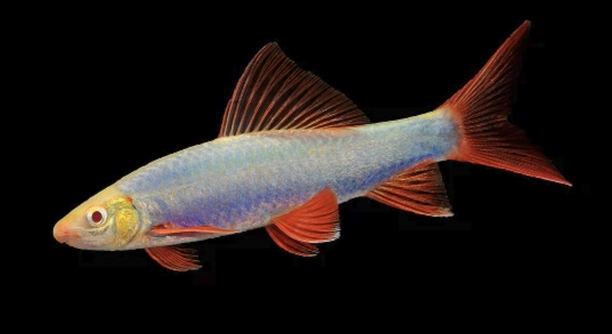
Rainbow sharks are popular aquarium fish known for their striking appearance and active behavior. Keeping them healthy requires attention to their water environment. Proper care starts with understanding the basics of their water needs and habitat conditions.
Rainbow shark water requirements include maintaining clean, well-oxygenated water with a temperature range between 72°F and 79°F. pH levels should be stable around 6.5 to 7.5, and regular water changes are essential to prevent toxin buildup and support their health.
Knowing these details will help create a stable environment for your rainbow shark. The following points cover key factors to keep your fish thriving in their aquatic home.
Ideal Water Temperature for Rainbow Sharks
Rainbow sharks thrive best in water temperatures between 72°F and 79°F. Maintaining this range is crucial because water that is too cold or too warm can stress the fish and lead to health problems. When the temperature fluctuates, their metabolism and immune system can weaken, making them more prone to illness. Using a reliable aquarium heater and thermometer helps keep the temperature steady. It’s also important to avoid placing the tank near windows or vents where temperature changes happen frequently. Stable water temperature supports their active nature and bright coloration, keeping them lively and healthy.
Consistent temperature control is key to preventing stress-related issues in rainbow sharks.
Monitoring the temperature regularly and adjusting the heater when necessary will ensure a comfortable environment. Sudden changes should be avoided. This stability helps them maintain normal behavior and avoid diseases. Setting the heater properly and checking it daily can save you from bigger problems later on. Remember, a calm and consistent habitat will allow your rainbow shark to live longer and display its vibrant colors.
Maintaining Proper pH Levels
Rainbow sharks do well in slightly acidic to neutral water, with pH levels between 6.5 and 7.5. Keeping the pH in this range prevents stress and promotes good health.
Water outside this range can affect their respiration and cause discomfort. Regular testing with a pH meter or test strips helps track the water condition.
pH can shift over time due to biological processes in the tank or the type of water source. Using water conditioners or buffers can stabilize pH if it starts to drift. Avoid making big pH changes suddenly, as this can shock the fish. Consistent pH levels support their digestion and activity.
Regular maintenance and monitoring will help keep the pH balanced, creating a stable environment where your rainbow shark can thrive without unnecessary stress.
Regular Water Changes
Water changes keep the tank clean and reduce harmful substances. They are necessary to maintain a healthy environment for rainbow sharks.
Performing weekly water changes of about 20-30% helps remove waste, uneaten food, and toxins like nitrates. This prevents buildup that can stress or harm the fish. Using a siphon or gravel vacuum during water changes also cleans the substrate where debris collects. Always treat tap water with a conditioner to remove chlorine and chloramine before adding it to the tank.
Consistent water changes improve water clarity and oxygen levels, which supports your rainbow shark’s overall health. Avoid changing too much water at once to prevent shocking the fish.
Proper Filtration System
A good filtration system is essential to keep water quality high. It removes waste and helps maintain stable chemical levels in the tank.
Filters come in various types: mechanical, biological, and chemical. Mechanical filters remove particles, biological filters break down harmful ammonia and nitrites with beneficial bacteria, and chemical filters remove dissolved impurities. For rainbow sharks, a filter with moderate to strong flow works best since they enjoy well-oxygenated water. Make sure the filter matches the tank size and is cleaned regularly to maintain efficiency.
Proper filtration reduces toxins and keeps the water clean, reducing stress and disease risks for your fish. Regular maintenance of the filter is important to avoid clogging or reduced performance. This ensures your rainbow shark’s environment stays healthy and comfortable.
Oxygen Levels in the Aquarium
Oxygen levels must be sufficient to support rainbow sharks, which are active swimmers. Poor oxygen can cause stress and lethargy.
Using an air pump or ensuring strong water movement improves oxygen exchange. Plants also help increase oxygen in the tank naturally.
Tank Size and Space
Rainbow sharks need enough space to swim freely. A minimum of 30 gallons is recommended for one fish. Larger tanks reduce stress and aggression.
Providing hiding spots and open swimming areas helps keep them comfortable. Overcrowding can cause health issues and behavioral problems.
Water Hardness
Water hardness should be moderate, ideally between 5 and 15 dGH. Hardness affects the fish’s ability to regulate bodily functions.
Testing water hardness regularly and adjusting if needed will maintain a healthy balance for your rainbow shark’s well-being.
FAQ
How often should I test the water for my rainbow shark?
Testing water weekly is ideal to catch any changes early. Focus on temperature, pH, ammonia, nitrites, and nitrates. These tests help you spot issues before they affect your fish. Keeping a consistent routine simplifies maintenance and protects your rainbow shark’s health.
Can I use tap water directly for water changes?
Tap water usually contains chlorine or chloramine, which are harmful to fish. Always use a water conditioner to neutralize these chemicals before adding water to the tank. Letting the water sit to dechlorinate naturally takes too long and may not remove all toxins.
What is the best type of filter for a rainbow shark tank?
A combination of mechanical, biological, and chemical filtration works best. Mechanical filters remove debris, biological filters break down toxic waste, and chemical filters clear dissolved impurities. Choose a filter rated for your tank size with moderate to strong flow to keep oxygen levels up.
Is it okay if my rainbow shark prefers hiding most of the time?
Rainbow sharks can be shy at first or if stressed. Providing hiding spots helps them feel secure. However, if hiding increases or the fish stops eating, it may indicate poor water quality or illness. Regular checks and maintenance are important to avoid problems.
How often should I perform water changes?
Weekly water changes of 20-30% are usually enough to maintain good water quality. Changing too much at once can shock the fish, so steady, regular changes are better. If your tank is crowded or has high waste, more frequent changes might be necessary.
What temperature fluctuations are dangerous for rainbow sharks?
Sudden shifts of more than 2°F can stress rainbow sharks. Keep the temperature steady between 72°F and 79°F. Use a reliable heater and monitor daily. Avoid placing the tank near windows or vents where temperatures can change quickly.
How can I maintain stable pH levels in my aquarium?
Regularly test the pH and use water conditioners or buffers if needed. Avoid sudden large changes by adjusting pH slowly over several days. Stable pH between 6.5 and 7.5 supports your fish’s health and reduces stress.
Can I keep rainbow sharks with other fish?
Rainbow sharks can be territorial, especially in smaller tanks. They do best with peaceful, similarly sized fish and plenty of space. Avoid keeping them with slow-moving or very small fish, which may be stressed or harmed.
What signs show that my rainbow shark is unhealthy?
Look for faded colors, lack of appetite, erratic swimming, or hiding more than usual. Physical signs include clamped fins, spots, or visible injuries. Water quality problems often cause these behaviors, so regular testing and tank care are crucial.
Does the hardness of water affect my rainbow shark?
Yes, moderate hardness (5-15 dGH) is best. Hard water supports their natural body functions and stress resistance. Testing and adjusting water hardness as needed helps keep your fish healthy and comfortable.
Final thoughts on caring for rainbow sharks focus on the importance of maintaining a stable and healthy aquarium environment. These fish are beautiful and active, but they require consistent attention to water quality. Keeping temperature, pH, and hardness within the proper ranges ensures they stay comfortable. Regular testing and water changes prevent harmful buildup of toxins that can affect their health. A well-functioning filtration system also plays a key role in keeping the water clean and oxygenated. Without these basic steps, rainbow sharks can become stressed, which may lead to illness or behavioral problems.
Understanding the specific needs of rainbow sharks helps create a suitable home for them. Unlike some fish, they are territorial and need enough space to swim freely without feeling crowded. A tank size of at least 30 gallons is recommended for one fish, with more space required if you keep multiple fish together. Including hiding spots and plants can reduce stress and provide a more natural environment. Keeping tank mates peaceful and compatible is also important to prevent conflicts. Attention to these details will help your rainbow shark thrive and show off its vibrant colors.
Maintaining an aquarium takes patience and commitment, but the effort is rewarding. By regularly monitoring water conditions, performing proper maintenance, and providing a balanced environment, you can support the long-term health of your rainbow shark. This fish can live for several years if cared for properly, offering enjoyment through its beauty and behavior. Taking these steps not only benefits the fish but also creates a pleasant and healthy aquarium for anyone who loves keeping aquatic pets. Consistency and knowledge are the foundation for successful rainbow shark care.

Hello,
If you enjoy the content that we create, please consider saying a "Thank You!" by leaving a tip.
Every little bit helps us continue crafting quality advice that supports the health, happiness, and well-being of pets around the world, for pets of all shapes, sizes, and species.
We really appreciate the kindness and support that you show us!