
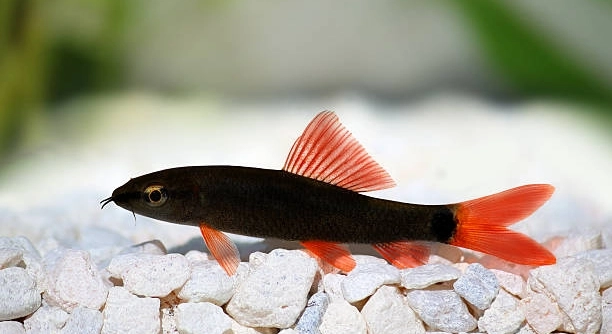
Do you have a rainbow shark and wonder which tankmates are safe and suitable to keep alongside it in your aquarium?
Rainbow sharks can be aggressive toward similar-shaped or bottom-dwelling fish. Ideal tankmates include fast, peaceful mid-to-top swimmers that don’t resemble them, such as barbs, danios, or rasboras. Avoid other sharks and territorial species.
Each species brings its own challenges, and knowing what to expect can prevent stress and harm in your tank’s environment.
Rainbow Sharks Are Territorial by Nature
Rainbow sharks are known for their territorial behavior, especially as they grow older. While they may start off calm in a new tank, they often become aggressive once they settle in and claim a space as their own. This can lead to chasing or nipping at fish that come too close, particularly if they share the bottom of the tank. It’s important to provide enough hiding places and a spacious environment so each fish can have room to retreat. A tank that’s too small makes the rainbow shark feel threatened, which increases the chances of aggressive behavior toward tankmates. Decorations like caves, driftwood, and plants help create visual breaks in the tank, reducing conflict. Avoid keeping more than one rainbow shark in the same tank unless it’s very large and has clearly divided territories. Understanding their natural need to defend space is key to managing a peaceful community tank.
Tankmates that occupy the middle or upper water levels are less likely to trigger aggressive responses, making them a safer choice.
Choosing tankmates that do not resemble the rainbow shark in shape or color also helps reduce aggression. Fish that are long, slender, or have red fins can be seen as competition, which causes tension. Aim for species that differ in appearance and behavior.
Best Tankmates for a Rainbow Shark
Peaceful and fast-swimming fish like zebra danios, harlequin rasboras, and cherry barbs are suitable options for rainbow sharks.
Zebra danios are active, small fish that prefer the top levels of the tank, away from the rainbow shark’s territory. They are quick swimmers, which makes it easier for them to avoid any unwanted attention. Harlequin rasboras are another good match. They’re calm, schooling fish that do best in groups and stay in the middle of the tank. Cherry barbs are a bit more colorful, but their behavior is peaceful and they tend to keep to themselves. When choosing tankmates, size matters. Avoid very small fish that might be mistaken for food, and avoid large, dominant fish that might provoke aggression in your rainbow shark. Always introduce new fish with care, and monitor their interactions during the first few days. A calm, well-planned community will keep your rainbow shark and its tankmates comfortable and safe.
Avoid Slow-Moving or Long-Finned Fish
Slow fish or those with long, flowing fins often become targets for rainbow sharks. These fish may get chased or nipped at because they can’t escape quickly. Long fins may also attract unwanted attention, leading to stress or injuries over time.
Angelfish, guppies, and bettas are not ideal tankmates for rainbow sharks. Their long fins make them easy targets, and their slower movements put them at risk. Even peaceful rainbow sharks may become aggressive if these fish enter their space. Stress caused by constant chasing can lead to illness and reduced lifespan in both the shark and the targeted fish. Tank dynamics may seem calm at first, but tension often builds over time. Instead, choose species that are quicker and less visually stimulating. If you already have long-finned fish in the tank, consider separating them to prevent issues. Compatibility matters more than appearance when building a peaceful setup.
Rainbow sharks can misinterpret slow-moving fish as invaders or threats. Even when unprovoked, they may guard their territory and chase other fish simply for being nearby. Long fins wave like flags, drawing attention and sometimes triggering territorial instincts. This behavior isn’t based on aggression alone—it’s part of how rainbow sharks respond to their surroundings. Being mindful of these tendencies when selecting tankmates can prevent problems from the start. It’s better to avoid risk than to hope they’ll get along over time. Plenty of other peaceful, fast-swimming fish are a better fit and will create a low-stress environment for everyone in the tank.
Group Size Matters for Tankmates
Some fish do better in groups, and this can actually help reduce aggression in the tank. Schooling fish like rasboras or tetras feel safer in numbers and are less likely to be singled out by a rainbow shark. It also helps spread out any attention or chasing.
Keeping schooling fish in groups of six or more gives them a better chance to thrive. When alone or in small numbers, they tend to become nervous and hide, which can cause stress. In larger groups, they move together and appear more confident. This not only improves their well-being but also helps maintain balance in the tank. A rainbow shark may still chase now and then, but the impact is less serious when the fish being chased has backup. The group dynamic offers a buffer, and everyone stays more active and healthy. Always research the group size needs of each species before adding them.
Tank Size Plays a Big Role
A tank that’s too small increases the risk of aggression. Rainbow sharks need space to claim a territory without bothering others. A minimum of 55 gallons is recommended, especially if you plan to add tankmates.
More space gives fish room to swim and hide. It also helps create natural barriers that reduce direct contact. Decorations and plants help divide the tank, making everyone feel more secure.
Introduce Tankmates Carefully
New tankmates should be added slowly and with caution. Rearranging decorations before adding new fish can reset territories and help reduce aggression. Observing your rainbow shark’s behavior during this time is important. Early signs of chasing or guarding should be addressed before things get worse.
Avoid Other Bottom Dwellers
Fish that share the same tank level—like red tail sharks, bala sharks, and loaches—often trigger conflict. Rainbow sharks are more likely to fight fish that stay near the bottom, especially if they compete for the same space.
FAQ
Can rainbow sharks live with other sharks?
It’s not recommended. Rainbow sharks are territorial and see other similar-shaped fish as a threat. Keeping them with other sharks like red tail sharks, bala sharks, or even another rainbow shark usually leads to fighting. Even in large tanks, it’s difficult to prevent aggression. One rainbow shark per tank is the safest choice. If you want a community tank, focus on tankmates that don’t resemble the rainbow shark and stay in different areas of the tank. This helps avoid territory disputes and keeps stress levels low for all fish involved.
What size tank is best for a rainbow shark and its tankmates?
A 55-gallon tank is the minimum size for a rainbow shark. If you plan to keep tankmates, bigger is better. A spacious tank helps reduce tension and allows fish to swim freely without running into each other. It also makes it easier to set up hiding spots and create divided spaces. Rainbow sharks need room to feel secure. In smaller tanks, they often act out by chasing or nipping at other fish. Giving them a larger home lowers the chance of aggression and creates a more stable environment for everyone in the tank.
Do rainbow sharks do better with fast fish?
Yes. Fast-moving fish can quickly avoid trouble, which makes them better tankmates for rainbow sharks. Fish like zebra danios, harlequin rasboras, and cherry barbs are often good choices. These fish stay in the upper or middle parts of the tank and tend to keep to themselves. Their speed helps them avoid conflict, and their peaceful nature doesn’t provoke the rainbow shark. Slow or clumsy swimmers are at higher risk of being chased or hurt. Always choose active, calm fish that don’t compete for the same space or food. This keeps things peaceful in the tank.
Are rainbow sharks aggressive all the time?
Not always, but they can become aggressive quickly if they feel crowded or threatened. Young rainbow sharks might seem peaceful, but as they grow, they often become more territorial. Their behavior depends on the tank size, setup, and the types of tankmates. Some people manage to keep them in peaceful setups, but that usually involves careful planning. Watching for early signs of aggression—like chasing, guarding certain spots, or nipping—is important. If your shark is showing these behaviors, adjusting the tank setup or removing certain fish might help.
Can rainbow sharks live with bottom feeders like corydoras?
It’s risky. Corydoras are peaceful bottom dwellers that may be mistaken for intruders in the rainbow shark’s territory. Even though corys are gentle and mind their own business, rainbow sharks often see them as competition. This can lead to chasing or injuries. If you want to include bottom feeders, make sure the tank is very large and has lots of hiding spots. Even then, it’s not guaranteed to work. Most people find it easier to avoid mixing rainbow sharks with other bottom-dwelling fish.
Do decorations help reduce aggression?
Yes. Adding caves, plants, rocks, and driftwood helps break up the space in the tank. This creates hiding places and makes it harder for the rainbow shark to patrol the whole area. When fish can hide or stay out of sight, they feel safer, and the rainbow shark feels less pressure to defend everything. Rearranging the tank when adding new fish can also reset territories. A well-decorated tank lowers stress and helps everyone live together more peacefully.
Is it better to add the rainbow shark last?
Yes. Adding your rainbow shark after other fish have already settled in gives tankmates a better chance to claim their space first. This may reduce the rainbow shark’s tendency to guard the entire tank. When they’re added last, they’re less likely to feel like the tank belongs to them alone. It’s not a guarantee, but it helps. You should still keep an eye on their behavior for the first few days to make sure they’re not causing problems.
Can rainbow sharks be kept in community tanks?
Yes, but only under the right conditions. The tank must be large, and the other fish should be peaceful, fast, and not resemble the rainbow shark in shape or color. Choosing the right tankmates and providing enough space are the keys to success. Regular observation helps prevent small problems from becoming bigger issues.
Final Thoughts
Rainbow sharks can be a rewarding addition to a freshwater aquarium, but they do come with specific care needs. Their territorial behavior makes them different from many peaceful fish, so it’s important to plan your tank setup carefully. A large tank, the right mix of tankmates, and plenty of hiding spaces can help reduce stress and fighting. While they may look calm at first, their behavior can change as they grow. Giving them space and the right environment from the start can prevent future problems. Choosing suitable tankmates and avoiding species that compete for the same space is one of the most important steps when keeping a rainbow shark.
Not every fish will get along with a rainbow shark, and that’s okay. It’s better to choose fish that stay in the middle or top of the tank and move quickly. Avoid slow, long-finned, or bottom-dwelling fish, as they’re more likely to be bothered. Some fish do better in groups, and this can actually help make the tank feel safer for everyone. Make sure to research each species and think about how they will behave together. Also, watch for early signs of stress or aggression. Chasing, guarding one area, or nipping are signs that the tank setup may need to change.
With the right planning, it’s possible to keep a peaceful community that includes a rainbow shark. The key is to focus on space, setup, and compatibility. Decorate the tank with caves, rocks, and plants to help break up the space and give fish places to hide. A calm tank doesn’t happen by chance—it’s something you build over time through careful choices and regular observation. Rainbow sharks can thrive when given what they need, and so can the other fish in the tank. By understanding their nature and planning ahead, you can create a balanced and healthy aquarium where all your fish feel secure.

Hello,
If you enjoy the content that we create, please consider saying a "Thank You!" by leaving a tip.
Every little bit helps us continue crafting quality advice that supports the health, happiness, and well-being of pets around the world, for pets of all shapes, sizes, and species.
We really appreciate the kindness and support that you show us!