
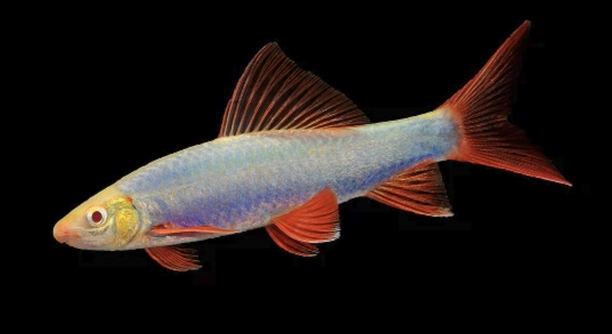
Rainbow shark fish are popular among aquarium enthusiasts for their unique look and active behavior. Setting up a proper tank for them requires some specific care to keep them healthy and comfortable. Many people want to learn the basics before adding these fish to their home aquarium.
A proper rainbow shark tank setup involves choosing an adequately sized aquarium with enough swimming space, maintaining clean and well-filtered water, providing hiding spots, and keeping compatible tank mates. These conditions help ensure the fish’s health and reduce stress.
Knowing these key points will make it easier to create a suitable environment for your rainbow shark. This article covers important aspects to help you set up and maintain a thriving tank for these lively fish.
Tank Size and Space Requirements
Rainbow sharks need enough room to swim actively. A tank of at least 30 gallons is recommended for one adult fish. Smaller tanks can stress the fish and limit their movement. Larger tanks offer more stability in water conditions, which is important for their health. They also provide space for decorations and hiding places, helping the fish feel secure. When adding more rainbow sharks or other fish, increase the tank size accordingly to prevent overcrowding.
Providing enough swimming space supports their natural behavior and reduces aggression. A cramped tank can lead to health issues and poor water quality.
Choosing the right tank size is the first step to a healthy environment. With enough space, your rainbow shark can swim freely and show its best colors. Avoid overcrowding by considering all the fish and plants you plan to keep together.
Water Conditions and Filtration
Maintaining clean water is essential for rainbow sharks. These fish thrive in slightly acidic to neutral pH, around 6.5 to 7.5. The temperature should stay between 72 and 79°F (22 to 26°C). Good filtration helps remove waste and keeps the water clear, preventing harmful toxins from building up.
Regular water changes, about 25% every two weeks, help keep the water fresh. A strong filter is necessary since rainbow sharks produce a moderate amount of waste. Using a sponge filter or canister filter works well.
Test the water often to monitor pH, ammonia, nitrite, and nitrate levels. Keeping these parameters stable will prevent stress and illness. A clean, well-filtered tank creates a safe home where your fish can live long and healthy. Adjusting the filter flow to a gentle current is better, as strong water movement can tire rainbow sharks.
Tank Decorations and Hiding Spots
Rainbow sharks like to have places to hide and explore. Adding caves, rocks, and plants provides shelter and reduces stress. These decorations also create natural boundaries that help prevent aggression between fish.
When choosing decorations, avoid sharp edges that could injure the fish. Smooth rocks and driftwood are good options. Live plants can add beauty and improve water quality, but choose sturdy types like Java fern or Anubias, which can handle the fish’s activity. Arrange decorations so there are plenty of open swimming areas as well as hiding spots. This balance helps rainbow sharks feel safe while staying active and healthy.
Decorations also give you a chance to personalize your tank. Changing the layout from time to time can keep the environment interesting for the fish. A well-decorated tank not only looks good but also supports the fish’s natural behaviors.
Compatible Tank Mates
Rainbow sharks can be territorial, especially as they grow older. Choosing peaceful but sturdy tank mates is important. Avoid small or slow-moving fish that might become targets of aggression.
Good tank mates include larger tetras, barbs, and danios. These fish are active enough to hold their own and won’t provoke the shark unnecessarily. Avoid keeping multiple rainbow sharks in a small tank since they often fight. If you want more than one, a larger tank with plenty of hiding spaces is necessary.
Keep an eye on the fish’s behavior to catch any signs of stress or bullying early. Separating aggressive individuals can prevent injuries and maintain peace in the tank. Compatibility depends on the tank size, fish personalities, and how the environment is set up. Choosing the right companions helps create a balanced, calm aquarium where all fish can thrive.
Feeding and Diet
Rainbow sharks are omnivores and need a varied diet to stay healthy. They enjoy sinking pellets, flakes, and live or frozen foods like bloodworms and brine shrimp.
Feeding them twice a day in small amounts prevents overfeeding and water pollution. A balanced diet helps maintain their vibrant colors and energy levels.
Lighting and Temperature Control
Consistent lighting supports the fish’s natural behavior and plant growth. Use a timer to provide 8 to 10 hours of light daily. Avoid strong, direct light, which can stress rainbow sharks. Keep the tank temperature steady between 72 and 79°F (22 to 26°C). Using a reliable heater and thermometer helps maintain this range, creating a comfortable environment for the fish to thrive.
Tank Maintenance
Regular tank cleaning is crucial for water quality. Remove debris and perform partial water changes weekly to keep the environment stable and healthy.
FAQ
How often should I feed my rainbow shark?
Feeding your rainbow shark twice a day is enough. Offer small portions that they can eat within a few minutes. Overfeeding can pollute the tank and harm water quality. Include a mix of sinking pellets, flakes, and occasional live or frozen foods to provide balanced nutrition.
Can I keep more than one rainbow shark in the same tank?
Rainbow sharks tend to be territorial, especially in smaller tanks. If you want to keep more than one, a tank larger than 40 gallons with plenty of hiding spots is necessary. Even then, aggression may occur, so monitor their behavior carefully and be ready to separate them if needed.
What water parameters are best for rainbow sharks?
Maintain a pH between 6.5 and 7.5, temperature between 72 and 79°F (22–26°C), and ensure ammonia and nitrite levels are at zero. Nitrate should stay below 20 ppm. Regular water testing and partial water changes help keep these conditions stable.
How can I reduce aggression in the tank?
Providing enough space, hiding spots, and compatible tank mates helps reduce aggression. Avoid overcrowding and keep a close watch on how fish interact. Rearranging decorations occasionally can break up territories and calm territorial disputes.
What do rainbow sharks eat in the wild?
In the wild, rainbow sharks eat algae, plant matter, small insects, and larvae. In captivity, replicate this diet by offering a mix of vegetable-based foods and protein-rich items like bloodworms and brine shrimp.
How long do rainbow sharks live?
With proper care, rainbow sharks can live between 5 to 8 years. Good water quality, a balanced diet, and a stress-free environment contribute to a longer lifespan.
Are rainbow sharks suitable for beginner fishkeepers?
They are moderately easy to care for but require stable water conditions and enough space. Beginners should research tank setup carefully and be prepared for some territorial behavior. With proper care, they make a rewarding addition to a community tank.
What tank size is best for rainbow sharks?
A minimum of 30 gallons for one rainbow shark is recommended. Bigger tanks provide more stable water conditions and room for swimming, which helps reduce stress and aggression.
Can rainbow sharks live with other fish?
Yes, but choose peaceful, similarly sized fish that can hold their own. Good tank mates include barbs, danios, and larger tetras. Avoid slow or very small fish that might be bullied.
How often should I change the water?
Changing about 25% of the tank water every two weeks is a good rule. More frequent changes may be necessary in smaller tanks or if the water quality drops. Regular changes help remove waste and keep the environment healthy.
Do rainbow sharks need live plants?
Live plants are not required but are beneficial. They provide hiding spots and improve water quality. Choose hardy plants like Java fern or Anubias that can tolerate the fish’s activity.
What type of filter is best?
A strong filter like a canister or sponge filter works well. It should provide good mechanical and biological filtration to handle waste and keep water clean without creating too much current. Gentle water flow is better for rainbow sharks.
Why is my rainbow shark hiding all the time?
Hiding often can mean the fish feels stressed, scared, or uncomfortable. Check water quality, tank mates, and tank layout. Make sure there are enough hiding places but also open swimming space. Sometimes adjusting the environment helps the fish feel safer.
How can I tell if my rainbow shark is sick?
Look for changes in behavior like lethargy, loss of appetite, or unusual swimming. Also, check for physical signs such as faded color, spots, or damaged fins. Early detection helps treat illnesses more effectively.
Is it okay to keep rainbow sharks with goldfish?
No, goldfish prefer cooler water and different conditions than rainbow sharks. Mixing these species can cause stress and health problems for both.
What is the best way to introduce a rainbow shark to a new tank?
Float the bag in the tank for 15-20 minutes to equalize temperature. Gradually add small amounts of tank water to the bag over 30 minutes before releasing the fish. This helps reduce stress and prevents shock from sudden changes.
Setting up a tank for a rainbow shark takes some planning, but it is not difficult. The key is to provide enough space and clean water. A tank of at least 30 gallons is needed so the fish can swim freely. Keeping the water well-filtered and stable helps avoid stress and health problems. Decorations and hiding spots are important, as rainbow sharks like places to explore and hide. This also helps reduce aggression, which is common with this species. Choosing the right tank mates is another step to keeping the tank peaceful. Fish that are too small or slow might be bothered by the shark, so picking fish that are active and can handle themselves works best. Regular tank maintenance, like water changes and cleaning, supports a healthy environment.
Feeding rainbow sharks well is also part of good care. They need a balanced diet that includes sinking pellets, flakes, and occasional live or frozen foods such as bloodworms or brine shrimp. Feeding twice a day in small amounts keeps the fish healthy without causing water pollution. Lighting and temperature should be steady and comfortable, with about 8 to 10 hours of light daily and water temperatures between 72 and 79°F. Using a timer for the lights and a heater for the tank temperature makes this easier to manage. Watching your fish for signs of illness or stress is important. If they hide too much, lose color, or stop eating, checking water quality and tank conditions can help find the problem.
Overall, a rainbow shark can be a lively and colorful addition to a home aquarium. With the right tank size, good water quality, and proper care, these fish can live many years and display their natural behavior. Understanding their needs before adding them to your tank will help you create a better environment for them. Taking time to research and maintain the tank pays off with a healthy and active fish. Rainbow sharks require some attention but offer an interesting and rewarding experience for those willing to care for them properly.

Hello,
If you enjoy the content that we create, please consider saying a "Thank You!" by leaving a tip.
Every little bit helps us continue crafting quality advice that supports the health, happiness, and well-being of pets around the world, for pets of all shapes, sizes, and species.
We really appreciate the kindness and support that you show us!