
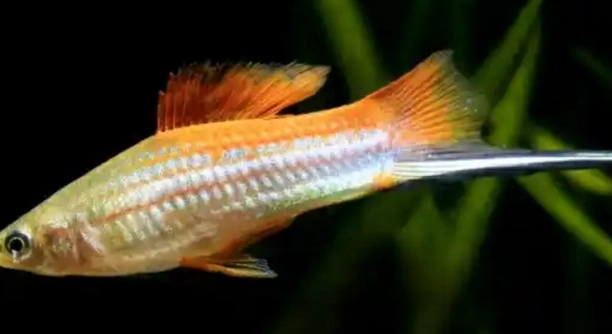
Male swordtail rivalry can be a fascinating and complex behavior in these fish. Understanding the dynamics between males in their competitive displays helps us better appreciate their interactions. This article will explore seven important points about this behavior.
Male swordtail rivalry primarily involves territorial disputes, where males compete for access to females. They use aggression and impressive displays, such as fin flaring and chasing, to establish dominance and secure mating opportunities. These behaviors are vital for reproductive success.
The following information will help you better understand what drives male swordtail rivalry and how it affects their behavior.
The Role of Territory in Male Swordtail Rivalry
Male swordtails are highly territorial, and their rivalry often stems from the need to protect a space. These fish will stake out areas where they feel most secure, usually near plants or structures. When another male enters, it leads to aggression. The defending male will display his fins and attempt to chase the intruder away. This behavior is vital for ensuring access to resources, including food and mates. Swordtails are not passive creatures; they actively defend their territories to maintain dominance.
The battle for territory is constant. The more secure a male feels in his space, the more likely he is to engage in rivalry with newcomers. However, this doesn’t always guarantee he’ll win, especially if another male is stronger or more aggressive.
These territorial disputes are not just about space; they also help with mating success. A male who controls prime territory is more likely to attract females. His ability to defend this space can impact his overall reproductive opportunities, making these rivalries crucial to survival.
Displays of Strength and Aggression
Male swordtails use various displays to show strength. These displays often include bright colors, fin displays, and rapid movements. These actions signal to other males that they are dominant, hoping to avoid a physical confrontation.
These intense behaviors help swordtails establish who is in charge. The strongest male will often maintain control of the best territory and enjoy greater access to mates. Despite the aggression, these rivalries help keep the community in balance.
The Impact of Fin Displays
Fin displays are one of the most striking aspects of male swordtail rivalry. Males flare their fins to appear larger and more intimidating to their rivals. This visual signal often prevents actual fighting, as it allows males to settle disputes without physical harm. These displays are essential in keeping the peace in their environment.
The size and brightness of the fin displays can be influenced by factors such as diet, health, and overall condition. A male in peak condition will display more vivid and impressive fins, signaling his strength. This can make the difference in winning a confrontation.
While these displays might seem purely visual, they serve as a serious form of communication. Males will judge each other’s physical condition, and a superior display can cause weaker males to retreat. This often leads to fewer physical fights, reducing the risk of injury for all involved.
Why Rivalry Can Lead to Stress
Constant rivalry can be stressful for male swordtails. Their aggressive behavior requires energy, and ongoing territorial disputes can lead to exhaustion. This stress can negatively impact their overall health, including their immune system and reproductive abilities.
The environment also plays a significant role in this stress. If there aren’t enough hiding spots or plants for males to stake out territory, they may engage in constant fighting. Overcrowding can also increase competition, leading to more tension among males. These factors can compromise their health over time.
To reduce stress, providing a well-planted aquarium with ample space and hiding spots is essential. This allows males to establish their territories without having to fight constantly. Ensuring a balanced environment will help reduce their stress and encourage healthier, more peaceful interactions.
Mating Rituals and Rivalry
Male swordtails often display their rivalry during mating season. They show off their fin displays to attract females while simultaneously keeping other males at bay. This competitive behavior increases during the breeding season, as males fight for the opportunity to mate with females.
Rivalry during mating is intense, and males will often chase each other to show their dominance. The display of strength and stamina helps females choose the best mate. A male that can maintain control of his territory and outlast rivals is typically the one who secures a mate.
Aggression Levels and Health
Aggression levels in male swordtails are closely tied to their health and environment. When males feel threatened or stressed, their aggression increases. Poor water quality or overcrowding can exacerbate these feelings, leading to more frequent fights and a weakened immune system.
A stressed swordtail will often become more aggressive, making it important to monitor their surroundings. Ensuring a calm and stable environment can help reduce unnecessary tension among males. Proper care helps maintain their health, ensuring they won’t succumb to stress-induced issues.
Environmental Factors Affecting Rivalry
Environmental factors significantly affect swordtail rivalry. Poor water conditions, limited space, and overcrowding can increase aggression. Males are more likely to engage in frequent fights if their habitat does not meet their needs.
FAQ
What causes male swordtail rivalry?
Male swordtail rivalry is mainly driven by the need to protect territory and gain access to mates. Males often compete for space, food, and females. This competition results in aggressive behavior, such as chasing, fin flaring, and territorial displays. The need to secure these resources is essential for their survival and reproduction. The rivalry ensures that only the strongest males mate, passing on the best genetic traits to future generations.
How can I reduce male swordtail aggression?
To reduce aggression, it’s important to provide ample space and hiding spots in the aquarium. Overcrowding can intensify rivalry, so keeping a balanced number of swordtails in a large tank is key. Adding plants or decorations can help create territories and reduce direct confrontation. Regular water changes and maintaining good water quality will also reduce stress, which in turn decreases aggressive behavior. If aggression is severe, separating the most aggressive males into different tanks can help.
Do swordtail males fight to the death?
While swordtail males can be aggressive, they rarely fight to the death. Most conflicts are settled through displays of strength and territory defense. If a male is significantly weaker, he may retreat without much injury. However, if fighting becomes frequent or intense, there is a risk of injury, which could lead to death in extreme cases. Ensuring an environment where males can avoid constant conflict will prevent these dangerous situations.
Can swordtail males live peacefully together?
Swordtail males can live peacefully together if their environment is set up correctly. Providing plenty of space, plants, and hiding spots can help reduce competition for territory. It is also important to have a larger tank that allows males to spread out and establish their areas. If aggression continues despite a suitable environment, it might be necessary to remove some males or separate them to maintain peace.
Does the size of the male swordtail matter in rivalry?
Yes, size can play a significant role in male swordtail rivalry. Larger males typically have an advantage in fights for territory and mates. They are more likely to win displays and chase away smaller males. However, this is not always the case, as behavior and stamina also influence outcomes. Even a smaller male can defeat a larger one if he is healthier or more persistent.
How often do male swordtails display aggression?
Male swordtail aggression is most noticeable during the breeding season or when defending territory. Outside of these periods, their behavior tends to be less aggressive. However, rivalry can happen year-round, especially if the tank conditions are poor or if they feel threatened. Regular maintenance of water quality, hiding spots, and space can help keep aggression levels lower during non-breeding times.
Can swordtail females influence male rivalry?
Yes, female swordtails can influence male rivalry. Males often compete for the attention of females, and their behavior is driven by the presence of potential mates. If a female shows interest in a particular male, other males may become more aggressive in their efforts to win her favor. In some cases, females might even influence the intensity of rivalry by favoring males who display superior strength and vitality.
What should I do if my swordtail males are constantly fighting?
If your swordtail males are constantly fighting, the first step is to assess their living conditions. Ensure the tank is large enough, with enough hiding spots and territory for each male. Reduce overcrowding to avoid unnecessary competition. If the aggression continues, consider separating the most aggressive males into different tanks. You can also rearrange the tank setup regularly to disrupt territorial claims and give all males a fresh start.
Is male swordtail rivalry harmful to their health?
Prolonged male swordtail rivalry can be harmful to their health. Continuous stress from aggression can weaken their immune systems, making them more susceptible to disease. Fighting can also cause physical injuries, leading to infections. To prevent health issues, it’s important to minimize aggressive behavior by ensuring proper tank conditions, maintaining water quality, and avoiding overcrowding.
Do swordtail males show any signs of stress?
Yes, swordtail males show signs of stress during times of rivalry or poor environmental conditions. Some common signs of stress include rapid swimming, fin clamping, lack of appetite, and excessive hiding. If these signs are noticed, it’s a good idea to check the tank conditions, such as water quality, temperature, and space, to ensure they are within the ideal range for swordtails.
What is the best way to care for male swordtails?
To care for male swordtails, provide a spacious tank with plenty of hiding places and plants to help reduce territorial disputes. Keep the water clean and at the right temperature, ideally between 72°F and 79°F (22°C to 26°C). Offer a varied diet, including high-quality flakes, pellets, and live food, to keep them healthy and reduce stress. Regular water changes will also help maintain a healthy environment, further minimizing aggression.
Can male swordtail rivalry be prevented?
While rivalry can’t be completely prevented, it can be minimized with the right setup. Ensuring males have enough space, territories, and hiding spots is key to reducing competition. Avoiding overcrowding and maintaining a peaceful environment will help keep their rivalry in check. In some cases, separating particularly aggressive males might be necessary to prevent ongoing conflict.
Final Thoughts
Male swordtail rivalry is a natural part of their behavior, driven by the need to secure territory and mates. In the wild, these fish often compete for space and the opportunity to reproduce. Understanding this behavior can help you create a better environment for your swordtails, where rivalry doesn’t lead to excessive stress or harm. By providing plenty of space, hiding spots, and proper water conditions, you can reduce unnecessary conflict and improve the overall health of your fish.
Even though rivalry can be intense, swordtail males rarely fight to the death. Their aggressive behaviors, like chasing or fin displays, are usually enough to settle disputes without physical injury. However, it’s still important to be aware of any signs of excessive aggression or stress, as these can affect the well-being of your fish. Creating a calm and balanced tank environment will ensure that rivalry doesn’t escalate into something more harmful. In cases of severe aggression, separating the most dominant males or adjusting the tank setup can help maintain peace.
Overall, managing swordtail rivalry comes down to understanding their natural instincts and providing the right environment. Maintaining good water quality, giving your fish enough space to establish territories, and offering plenty of hiding spots will help reduce stress and aggression. With the proper care, your male swordtails can coexist peacefully, allowing them to live healthier and happier lives.

Hello,
If you enjoy the content that we create, please consider saying a "Thank You!" by leaving a tip.
Every little bit helps us continue crafting quality advice that supports the health, happiness, and well-being of pets around the world, for pets of all shapes, sizes, and species.
We really appreciate the kindness and support that you show us!