
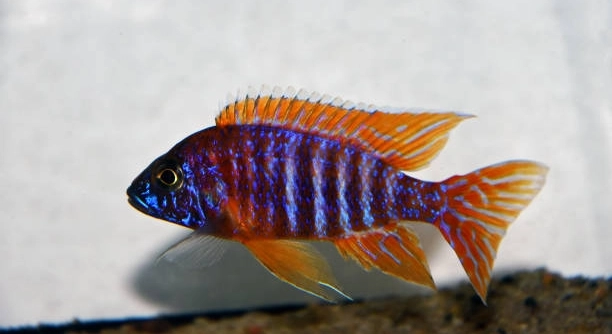
Cichlids are fascinating fish, well-known for their bright colors and active behaviors. Many people keep them in aquariums and enjoy observing how they interact with one another in their social groups.
Cichlid social bonds are complex and vary by species, involving hierarchy, territory, mating partnerships, and parental care. These bonds influence stress levels, aggression, and overall health, making them essential for maintaining stable aquarium communities and promoting natural behaviors.
Learning about these social connections can improve your fishkeeping experience and help ensure your cichlids thrive in a balanced environment.
Understanding Cichlid Hierarchies
Cichlids often establish clear hierarchies within their groups, with dominant and subordinate fish having distinct roles. Dominant fish typically control the best feeding spots and preferred areas in the tank. Subordinate fish avoid direct confrontations and stay on the periphery. Recognizing these roles helps in preventing excessive aggression and ensures all fish have access to food and shelter. Some species display fluid hierarchies, where dominance shifts depending on age, size, or reproductive status. Observing interactions carefully can reveal subtle cues, such as changes in coloration or posture, that indicate a fish’s social rank. By maintaining proper tank size, providing hiding spaces, and avoiding overcrowding, you can support a more balanced hierarchy and reduce stress for both dominant and subordinate fish. Proper management of these social structures promotes healthier, more active, and visually vibrant cichlids in your aquarium.
Hierarchy influences behavior, stress, and access to resources in predictable ways, shaping the overall harmony in the tank.
Maintaining clear hierarchies benefits breeding and general fish health. Dominant fish that feel secure are less likely to attack others, while subordinates remain calmer and more active. Tank decorations and plants can create natural boundaries, giving subordinate fish space to retreat. In species where males compete for females, hierarchies prevent constant fights and allow weaker males to survive. Observing how rank affects feeding patterns helps in planning food distribution, ensuring all fish remain nourished. Understanding these social structures also aids in introducing new fish. If newcomers are gradually integrated, the hierarchy can adjust without triggering intense aggression. Recognizing signs of dominance, submission, or stress helps in making timely adjustments to tank setup, ensuring a healthy, balanced environment that encourages natural behaviors.
Pair Bonds and Family Units
Some cichlid species form strong pair bonds and care for their offspring together. These bonds influence mating success and offspring survival.
Pair bonds help cichlids protect eggs and fry, reducing mortality and ensuring healthier growth rates for young fish.
Cichlids that form pair bonds often display coordinated behaviors, such as defending territory, cleaning eggs, and guiding fry to safe areas. These partnerships are particularly strong in monogamous species, where both parents share responsibilities equally. Bonded pairs tend to be less aggressive toward other tank members while focusing on nurturing their young. Recognizing these relationships allows aquarists to provide the proper environment, like secluded breeding spots or flat surfaces for egg laying. In community tanks, ensuring enough space and shelter helps bonded pairs thrive without excessive interference. Observing interactions between pairs can also indicate compatibility, as well-matched fish cooperate smoothly, while mismatched partners may struggle with defense or egg care. Proper care and understanding of these bonds promote natural behaviors and increase survival rates, making the aquarium more dynamic and rewarding.
Territorial Behavior
Cichlids are highly territorial and defend specific areas of the tank. Territory size depends on species, tank space, and number of tank mates.
Territorial behavior is a core part of cichlid social life. Fish mark their areas using body displays, color changes, and fin flaring. Conflicts occur when another fish enters a claimed space, often leading to chasing or mild aggression. Providing hiding spots, rocks, and plants helps reduce tension and gives subordinate fish places to retreat. Recognizing territories prevents overpopulation in one area and encourages natural behavior. Some species are more aggressive, requiring careful tank planning. Observing patterns of movement and aggression helps in managing these behaviors effectively, creating a stable and balanced environment where all fish coexist. Adjusting tank layout or adding partitions can also reduce repeated confrontations, making your aquarium calmer.
Territorial disputes influence feeding, mating, and social interactions. Maintaining separate zones improves overall harmony and reduces chronic stress.
Proper tank management supports natural behaviors. Boundaries allow fish to establish roles and comfort zones. In community tanks, aggressive individuals may need extra space or visual barriers to prevent constant fighting. Monitoring interactions closely is important for long-term health. Subordinate fish benefit from shelters, while dominant fish can maintain control without excessive energy spent on chasing rivals. Over time, these territories can shift, especially during breeding periods, requiring adjustments in decorations and hiding places. Observing color changes, posture, and chasing behavior helps anticipate conflicts before they escalate. Providing a well-structured environment ensures that territorial instincts are expressed naturally without compromising the welfare of any fish.
Communication Through Color and Movement
Cichlids communicate using changes in color and specific movements. These signals indicate mood, dominance, or readiness to breed.
Color changes and body movements convey intentions and emotions. Bright colors often indicate health, confidence, or dominance, while duller shades suggest stress or submission. Fin flaring, head shaking, and subtle body postures help fish communicate without physical confrontation, maintaining social order.
Watching these signals closely can guide tank management. Dominant fish may show intense colors to assert control, while submissive fish stay muted to avoid conflict. Breeding pairs often display synchronized movements and vivid colors to strengthen bonds and signal readiness. Recognizing these cues allows timely adjustments in feeding, tank layout, or group composition to minimize stress. Overcrowding or sudden changes in the environment can disrupt communication, leading to heightened aggression or hiding behavior. Encouraging natural expression of color and movement helps fish feel secure, improves social stability, and supports healthier, more active cichlids in your aquarium.
Social Learning
Cichlids observe and learn from each other. Younger or subordinate fish mimic behaviors of dominant individuals to survive and adapt in the tank.
This learning helps them find food, avoid conflict, and recognize safe zones. Watching others reduces trial-and-error risks and strengthens group cohesion, supporting overall social balance.
Aggression Triggers
Aggression in cichlids often arises from overcrowding, lack of hiding spaces, or competition for mates. Proper tank management minimizes conflicts. Regular observation and adjustment of decorations, territory boundaries, and fish numbers help maintain a calmer, healthier environment.
Bonding With Offspring
Many cichlids show strong parental care. Both parents may guard eggs and fry, guiding them to safe areas and defending them against intruders, which improves survival rates and encourages natural behaviors in captivity.
FAQ
How do cichlids show dominance in a tank?
Cichlids display dominance through color intensity, posture, and specific movements. Dominant fish often flare their fins, raise their bodies, and approach other fish confidently. Subordinate fish typically stay on the periphery, avoid eye contact, and show muted colors. Recognizing these behaviors helps in managing aggression and maintaining balance in the aquarium.
Why do some cichlids hide more than others?
Hiding is often a sign of stress, submission, or a need for security. Subordinate or younger fish retreat to avoid conflicts with dominant tank mates. Providing plants, rocks, and shelters gives these fish safe spaces to reduce stress and maintain healthy interactions within the group.
Do cichlids remember social interactions?
Yes, cichlids have strong memory and can remember previous encounters. They adjust behavior based on past experiences, avoiding aggressive fish or remembering safe feeding spots. This memory plays a key role in maintaining hierarchy and forming stable social bonds.
How important is pairing for breeding?
Pair bonds are crucial for successful breeding in many cichlid species. Both parents often share responsibilities, such as guarding eggs, cleaning surfaces, and guiding fry. Well-formed pairs produce higher survival rates for offspring and show more coordinated behaviors compared to mismatched or inexperienced pairs.
What causes sudden aggression in a previously calm tank?
Sudden aggression often results from overcrowding, changes in tank layout, or introduction of new fish. Stress from environmental changes can disrupt hierarchies, prompting dominant fish to assert control. Monitoring tank conditions and providing sufficient space helps reduce unexpected fights.
Can cichlids form bonds with other species?
While rare, some cichlids can coexist peacefully with non-cichlid species. Bonds form mainly when territories are respected, and the environment provides enough resources for all fish. Careful selection of tank mates and observation of behavior is key to maintaining harmony.
How do cichlids communicate without fighting?
Color changes, fin displays, and body movements serve as non-violent communication methods. Bright colors often signal dominance or readiness to breed, while subtle gestures indicate submission or stress. These visual signals reduce physical conflicts and help maintain social order within the tank.
Why do some cichlids become more territorial during breeding?
Territoriality increases during breeding to protect eggs and fry from intruders. Parents actively defend their chosen space, chasing away perceived threats. Providing adequate hiding spots and sufficient tank space reduces stress and ensures safety for both adults and offspring.
How can I reduce aggression in my cichlid tank?
Aggression can be reduced by ensuring proper tank size, creating multiple territories, and offering hiding spaces. Avoiding overcrowding and carefully introducing new fish helps maintain social stability. Observing interactions regularly allows timely adjustments to prevent prolonged stress or injury.
Do cichlids recognize individual tank mates?
Cichlids can distinguish between individuals based on size, color, and behavior. This recognition helps them remember rivals, allies, and potential mates, guiding interactions and reinforcing hierarchies. Understanding these social dynamics supports a healthier and more predictable aquarium environment.
What signs indicate stress in cichlids?
Stress is often shown through dull coloration, hiding, reduced activity, or rapid breathing. Prolonged stress can lead to illness or aggression. Adjusting tank conditions, providing shelters, and ensuring consistent routines can help reduce stress and promote natural behaviors.
Can subordinate cichlids eventually become dominant?
Yes, social rank can change over time. Factors such as growth, age, or the departure of dominant fish allow subordinate individuals to rise in hierarchy. Observing these shifts helps in anticipating behavioral changes and maintaining balanced interactions.
How do cichlids care for their fry?
Parents often guard eggs and fry, leading them to safe areas and protecting them from threats. Some species practice mouthbrooding, carrying eggs and fry in their mouths. This care increases survival rates and reinforces the strength of pair bonds.
Are color changes always linked to mood?
Not always. While colors often reflect dominance, stress, or readiness to breed, they can also change due to health, diet, or environmental conditions. Monitoring both behavior and appearance gives a clearer understanding of your cichlid’s well-being.
Do cichlids interact differently in small versus large tanks?
Tank size significantly affects social interactions. In small tanks, aggression may be higher due to limited space, while larger tanks allow natural territory formation and reduce conflicts. Providing enough room ensures fish can express natural behaviors comfortably.
Can introducing plants and decorations improve social bonds?
Yes, plants and decorations create boundaries, hiding spaces, and visual breaks. These additions allow fish to establish territories, reduce stress, and strengthen pair bonds by offering secure environments for breeding and daily interactions.
What is the best way to observe cichlid social behavior?
Watch for color changes, fin displays, chasing, and feeding patterns. Observing regularly at different times helps identify hierarchies, aggression triggers, and bonding behaviors. Patience and careful attention reveal natural interactions without disrupting the fish.
How do cichlids react to new tank mates?
Reactions vary by species and individual temperament. Introducing new fish slowly and in neutral areas reduces aggression. Temporary barriers or rearranged decorations can prevent territorial disputes while fish adjust to each other’s presence.
Do bonded pairs remain together permanently?
Some species maintain long-term pair bonds, while others may switch partners based on availability or reproductive success. Stable pairs display coordinated behavior, shared parental duties, and mutual territory defense. Observation helps identify compatibility and support these bonds effectively.
Can stress affect social bonds in cichlids?
Yes, stress can weaken hierarchies, increase aggression, and disrupt pair bonds. Causes include poor water quality, overcrowding, or sudden changes. Managing stress through environment adjustments and monitoring behavior maintains social stability and promotes healthier fish interactions.
How long do cichlids remember rivals or partners?
Cichlids have strong memory and can recognize individuals over weeks or months. Remembering past interactions guides aggression, submission, and breeding behavior, supporting a stable social structure within the tank.
What role does age and size play in social dynamics?
Older and larger fish often dominate younger or smaller individuals. Size and experience influence hierarchy, access to resources, and territorial control. Observing these factors helps anticipate conflicts and maintain a balanced tank environment.
How can I encourage natural social behavior?
Providing adequate space, hiding places, and proper group composition encourages cichlids to interact naturally. Avoid overcrowding, observe daily behavior, and adjust tank layout as needed to support healthy social bonds and reduce stress.
Are some species more social than others?
Yes, species differ in social complexity. Some cichlids form strong pair bonds and hierarchies, while others are more solitary or aggressive. Knowing species traits helps in planning tank groups, territories, and interactions for optimal harmony.
What signs indicate a successful bond between paired cichlids?
Successful pairs swim together, share territory, coordinate feeding, and protect offspring. They display synchronized color changes and body movements. Observing these behaviors indicates strong bonds and a stable social environment.
How does feeding affect social behavior?
Feeding order and competition reflect hierarchy. Dominant fish often eat first, while subordinates wait or retreat. Providing multiple feeding spots reduces stress and ensures all fish get adequate nutrition without conflict.
Can rearranging tank decorations impact social bonds?
Yes, changes in layout can disrupt territories and provoke aggression. Rearranging gradually or providing additional shelters allows fish to reestablish boundaries and maintain stable social relationships.
Do cichlids show affection within pairs or families?
Affection is expressed through coordinated movements, grooming behaviors, and shared territory defense. These behaviors strengthen pair bonds and promote effective care of offspring, contributing to social stability and overall well-being.
How often should I monitor social interactions?
Regular observation is essential. Daily checks reveal early signs of stress, aggression, or disruption in bonds. Adjustments in tank layout, population, or hiding spaces can prevent prolonged conflicts and support harmonious social structures.
Can illness affect social dynamics?
Yes, sick fish may become submissive, lose color, or hide, altering hierarchy and interactions. Early detection and treatment are crucial to maintain balance and prevent stress or aggression in the group.
What role does environment play in cichlid social behavior?
A stable, well-structured environment supports natural behaviors. Proper space, hiding spots, and visual boundaries allow fish to express dominance, submission, and pair bonding, reducing stress and promoting healthier social interactions.
Do cichlids interact differently at night?
Some cichlids remain active, while others rest in shelters. Nighttime behaviors include reduced aggression, exploration of hidden areas, and parental care. Observing these patterns helps understand overall social structure and needs for secure resting spaces.
How do I know if my tank has balanced social groups?
Indicators include minimal aggression, stable hierarchies, active feeding, coordinated pair behavior, and healthy fry. Regular monitoring ensures fish coexist peacefully, express natural behaviors, and thrive in the aquarium environment.
Can social bonds improve fish longevity?
Yes, strong bonds reduce stress, aggression, and competition, supporting overall health. Fish that feel secure in their social groups are more active, eat better, and display natural behaviors, contributing to longer, healthier lives.
How do I introduce new fish without disrupting bonds?
Introduce newcomers gradually in neutral areas, use temporary barriers, and monitor closely. Providing hiding spaces allows existing and new fish to adjust, reducing aggression and preserving established social bonds.
What is the impact of overcrowding on social bonds?
Overcrowding increases aggression, stress, and competition for resources. It can disrupt hierarchies, damage pair bonds, and reduce fry survival. Maintaining appropriate fish density ensures stable social interactions and healthier fish.
Are there signs that a bond is weakening?
Signs include increased aggression, reduced cooperation in pair activities, neglect of offspring, or frequent hiding. Recognizing these behaviors early allows adjustments in tank layout, population, or territory to support bond restoration.
How can I support juvenile cichlids in social groups?
Provide shelters, gradual exposure to adults, and separate feeding areas. This allows juveniles to observe behaviors safely, learn social cues, and integrate without excessive stress or conflict.
Do cichlids communicate through sounds?
Some species produce low-frequency sounds during territorial displays or courtship. These sounds complement visual signals and help maintain social order, although observation is primarily through color and movement cues.
Can water quality affect social bonds?
Poor water quality increases stress, aggression, and disease susceptibility, disrupting social hierarchies. Maintaining stable water parameters supports healthy interactions, natural behaviors, and overall well-being of the group.
How do I identify dominant versus submissive individuals?
Dominant fish show bright colors, assertive movements, and territorial defense. Submissive fish display muted colors, retreat, and avoid direct confrontation. Recognizing these roles helps manage tank dynamics and prevent chronic stress.
Is it normal for social bonds to shift over time?
Yes, social dynamics change with age, growth, or environmental changes. Observing these shifts allows timely adjustments in tank layout, population, or territory to maintain harmony and reduce conflicts.
Do bonded pairs share resources?
Yes, paired cichlids often share territory, food, and shelter. Cooperative behavior strengthens the pair bond, improves breeding success, and reduces unnecessary aggression with other tank mates.
Can stress from tank maintenance affect social behavior?
Sudden changes during cleaning or rearranging decorations can temporarily stress fish. Gradual adjustments and minimal disturbance help maintain stable interactions and reduce temporary aggression or hiding behavior.
Are there signs of healthy communication between cichlids?
Healthy communication includes synchronized movements, color displays, coordinated feeding, and minimal fighting. Observing these behaviors indicates well-functioning social structures and balanced relationships.
Do all cichlids exhibit the same social behaviors?
Social behaviors vary by species. Some are highly territorial, form strong pair bonds, or show advanced parental care. Knowing species-specific traits helps design tanks that support natural behaviors and stable interactions.
How can I tell if fry are bonding with parents?
Fry often follow parents, respond to guidance, and retreat when parents signal danger. These interactions indicate a strong parental bond, improving survival and encouraging natural learning of social behaviors.
Does tank decoration influence social learning?
Yes, structures create boundaries, hiding spots, and visual cues. They allow fish to observe and imitate behaviors safely, facilitating learning and reducing aggressive encounters.
How often do social hierarchies change?
Hierarchies can shift weekly or monthly depending on growth, breeding cycles, or environmental changes. Regular observation ensures timely adjustments to maintain balance and prevent prolonged conflicts.
What role does nutrition play in social behavior?
Proper nutrition supports bright coloration, energy for displays, and overall health. Well-fed fish are less aggressive, more active, and better able to maintain social bonds.
Can bonded pairs separate naturally?
Some pairs separate due to stress, incompatible partners, or environmental changes. Observing behavior and providing supportive conditions helps maintain bonds when possible, but changes may be natural for certain species.
Do cichlids prefer stable or dynamic social groups?
Most species thrive in stable groups with predictable hierarchies and territories. Sudden changes can increase stress and aggression, while consistent structure promotes security, cooperation, and healthy social bonds.
How do cichlids balance aggression and cooperation?
Aggression is used to establish dominance and protect territory, while cooperation occurs in pair bonds and parental care. Both behaviors are essential for survival and maintaining harmony within the social structure.
Are there visual cues for potential aggression?
Intense color changes, fin flaring, rapid swimming, or chasing indicate imminent aggression. Recognizing these signals allows proactive adjustments to prevent injuries and maintain social stability.
Can cichlids bond with humans?
While not in the same way as other pets, cichlids can recognize feeding routines, respond to presence, and exhibit curiosity. Consistent interaction builds trust and reduces stress during tank maintenance.
How do I know if social bonds are improving?
Indicators include reduced aggression, active coordinated behavior, mutual territory sharing, and attentive parental care. Regular observation ensures bonds remain strong and tank harmony is maintained.
Can environmental enrichment strengthen bonds?
Yes, adding plants, rocks, caves, and visual barriers provides stimulation, supports natural behaviors, and reinforces social hierarchies and pair bonds. Enrichment reduces stress and encourages healthier interactions.
Do bonded pairs influence group dynamics?
Strong pairs can stabilize social structure, reducing fights and guiding juveniles. Their presence often encourages cooperative behavior, balancing dominance and submission among other fish.
How long do social bonds last in captivity?
Duration varies by species and conditions. Stable environments and compatible groups can maintain bonds for months or years, while stress, overcrowding, or health issues may shorten bond longevity.
What is the best way to support weakened social bonds?
Increase hiding spaces, reduce stressors, separate aggressive fish temporarily, and provide stable environmental conditions. Patience and observation allow bonds to rebuild naturally over time.
Can temperature affect social interactions?
Temperature impacts metabolism, activity, and aggression. Consistent water temperature within species-specific ranges promotes normal behaviors, stable hierarchies, and reduces stress-induced conflicts.
Do cichlids show signs of empathy or concern?
Some species appear attentive to fry or injured tank mates, adjusting behavior to avoid harm. While not empathy as humans perceive it, this care supports survival and social cohesion.
Are older cichlids more socially dominant?
Age often correlates with experience and size, contributing to higher rank. Older fish typically assert control over territory and resources, guiding social structure and interactions within the group.
How can I tell if social bonds are too weak?
Frequent fights, excessive hiding, ignored fry, or disrupted feeding order indicate weak bonds. Interventions like adding shelters, adjusting population, or rearranging territories can restore stability.
Do cichlids have favorite partners in groups?
Yes, some fish form stronger bonds with specific individuals, showing coordinated behavior and mutual tolerance. Recognizing these preferences helps maintain group harmony and support breeding pairs effectively.
Can stress from illness disrupt bonds?
Illness often reduces activity, dulls colors, and shifts hierarchy. Prompt treatment, isolation if necessary, and supportive care restore social stability and reduce stress for other tank mates.
How do I encourage bonding in a new tank?
Provide hiding spaces, gradual introductions, and consistent routines. Observe interactions closely, intervene if aggression occurs, and allow natural establishment of hierarchies and pair bonds over time.
Do bonded pairs share parenting duties equally?
In many species, both parents guard eggs, clean surfaces, and guide fry. Equal participation strengthens bonds and increases offspring survival rates, supporting natural social behavior in captivity.
Are there signs that a subordinate fish is ready to become dominant?
Increased confidence, brighter coloration, or approaching dominant fish without retreating can indicate readiness to challenge hierarchy. Monitoring these changes helps prevent sudden conflicts and maintain balance.
Can environmental stress permanently affect social bonds?
Severe or prolonged stress can weaken pair bonds, alter hierarchies, and increase aggression. Restoring stable conditions and providing enrichment helps rebuild social structure over time.
Do cichlids use scent or chemical signals?
Some species release chemicals to signal stress, readiness to breed, or territory. While less obvious than visual cues, these signals influence social behavior and interactions within the group.
How can I tell if a bonded pair is compatible?
Indicators include coordinated territory defense, synchronized movements, shared feeding, attentive parental care, and minimal fighting. Compatibility ensures higher breeding success and a stable social environment.
What role does water flow play in social behavior?
Moderate flow allows fish to establish territories and reduces stagnant areas that can increase aggression. Proper water circulation supports natural behaviors and helps maintain social harmony.
Can cichlids recognize individual humans?
They can learn to associate humans with feeding routines and respond to presence. Familiarity reduces stress during tank maintenance and encourages natural, calm behavior.
How do I prevent subordinate fish from being bullied?
Provide hiding spaces, multiple feeding areas, and visual barriers. Monitoring aggressive interactions and adjusting population or layout reduces stress and allows subordinate fish to thrive safely.
Do social bonds affect feeding efficiency?
Yes, bonded fish coordinate feeding, reducing competition. Dominant-subordinate dynamics influence order and access, but stable groups ensure all fish are nourished and less stressed.
Can adding new pairs disrupt existing bonds?
Introducing new pairs may temporarily disrupt hierarchy and social balance. Gradual introduction, sufficient space, and monitoring prevent long-term conflicts and help all fish adjust naturally.
Do bonded cichlids help calm aggressive tank mates?
Stable pairs can reduce tension by setting social norms, guiding subordinate fish, and occupying territory. Their presence often stabilizes group behavior and reduces repeated confrontations.
**How long does it take for new social bonds to
Final Thoughts
Cichlids are fascinating fish with complex social behaviors. Understanding their hierarchies, territorial instincts, and pair bonds is key to maintaining a healthy and balanced aquarium. Social bonds are not just about aggression or dominance; they influence feeding patterns, stress levels, and overall well-being. Observing these behaviors regularly helps identify which fish are dominant, which are submissive, and how they interact with each other. Providing a well-structured environment with adequate space, hiding spots, and visual boundaries allows cichlids to express their natural behaviors safely. When fish feel secure in their environment, aggression decreases, and subordinate fish can thrive alongside more dominant individuals. Proper tank management ensures that social dynamics remain stable, allowing all fish to coexist peacefully and reduce the risk of injury or chronic stress.
Pair bonds and family units play an important role in cichlid social life. Many species form long-term partnerships where both parents actively care for eggs and fry. These bonds are essential for reproduction, survival of offspring, and maintenance of natural behaviors. When pairs are able to establish and maintain their territory without excessive interference, they show coordinated movements, synchronized color changes, and protective behaviors. Providing secluded areas or flat surfaces for egg laying encourages bonding and increases the chances of successful breeding. Even outside of breeding, bonded pairs contribute to social stability in the tank by reducing conflicts and helping subordinate fish understand social boundaries. Recognizing these relationships and supporting them through thoughtful tank arrangement, gradual introductions of new fish, and sufficient resources improves overall harmony. Observing how bonded pairs interact can also help aquarists anticipate potential conflicts and adjust the environment accordingly.
Maintaining stable social bonds requires ongoing attention and observation. Factors such as overcrowding, sudden changes in the tank, water quality, or introduction of new fish can disrupt established hierarchies and bonds. Monitoring color changes, fin displays, chasing behaviors, and feeding patterns provides valuable insight into the social health of your cichlids. Environmental enrichment like plants, rocks, and caves creates natural boundaries that allow fish to establish territories, learn from one another, and retreat when necessary. Supporting subordinate fish with hiding spots and providing enough space for dominant fish to assert control without constant aggression is essential. By paying attention to these factors, aquarists can ensure that cichlids live in a stable, low-stress environment where natural social behaviors are encouraged. Ultimately, understanding and respecting cichlid social dynamics improves not only their well-being but also the enjoyment of keeping these vibrant and intelligent fish in an aquarium.

Hello,
If you enjoy the content that we create, please consider saying a "Thank You!" by leaving a tip.
Every little bit helps us continue crafting quality advice that supports the health, happiness, and well-being of pets around the world, for pets of all shapes, sizes, and species.
We really appreciate the kindness and support that you show us!