
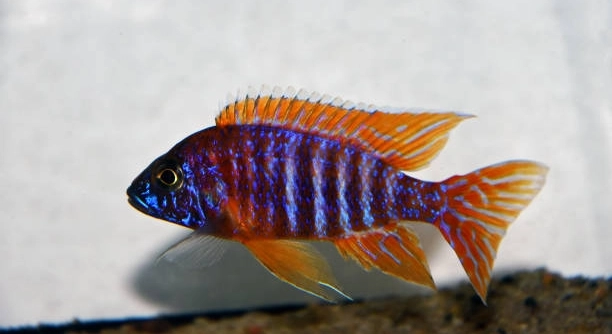
Albino convict cichlids are a striking variation of the common convict cichlid. Their pale coloration and bold stripes make them a popular choice for aquarists seeking a unique addition to freshwater tanks. These fish are active and engaging.
Albino convict cichlids require specific care regarding tank size, water quality, and diet. They display territorial behavior, breed readily under proper conditions, and need stable environments to thrive, making informed husbandry practices essential for their health and longevity.
Understanding their behavior, dietary needs, and environmental preferences is essential for a successful aquarium setup with these distinctive fish. Proper care ensures they remain vibrant and healthy.
Appearance and Coloration
Albino convict cichlids stand out due to their pale cream to white bodies, contrasted with faint gray or black vertical stripes. Unlike regular convict cichlids, their lack of pigment gives them a unique, almost glowing appearance in the aquarium. Their eyes are often red or pinkish, which adds to their striking look. The body remains compact and oval-shaped, typically growing up to 6 inches in length. Their fins are translucent, with some hints of yellow or white depending on lighting and diet. Maintaining proper water quality helps preserve their vivid colors, as poor conditions can cause fading or stress-related changes. When healthy, their stripes remain distinct, and their movements are smooth and lively. These fish can blend well with lighter substrates, which enhances their visual appeal. Their appearance is not only beautiful but also signals their overall health, making it easier to monitor well-being.
Proper lighting and substrate choices enhance the pale tones and highlight their stripes effectively, creating a visually balanced tank setup.
Albinism in convict cichlids is a natural genetic variation. While their coloration is striking, it comes with heightened sensitivity. Light levels, water conditions, and stress can easily affect their appearance. They require consistent care and attention, including stable temperatures, clean water, and a balanced diet. Albino cichlids are more prone to eye issues and skin sensitivity due to the lack of pigment. Their behavior is similar to regular convict cichlids, including territorial tendencies, but their visibility can make them appear more delicate. Tank mates should be chosen carefully to avoid aggression, as their pale bodies can make them targets. Providing hiding spots, plants, or structures can reduce stress. Regular observation ensures early detection of health issues, such as fungal infections or color fading. With proper management, albino convict cichlids maintain their striking appearance and thrive in community or species-specific tanks, offering both visual appeal and engaging behaviors for their caretakers.
Tank Setup and Environment
A tank of at least 30 gallons is recommended for a pair of albino convict cichlids. Decor should include rocks, caves, and gentle substrates to mimic natural hiding spots.
The tank environment plays a crucial role in the health and behavior of albino convict cichlids. Stable water temperature between 74–82°F and pH around 6.5–8 is ideal. Hardness should be moderate, and regular water changes help maintain cleanliness and reduce stress. Filtration is important, but strong currents should be avoided as these fish prefer calmer areas. Cichlids are territorial, so providing multiple hiding places allows them to establish personal zones and reduces aggression. Plants can be used, though they may be uprooted during breeding behavior. Lighting should be moderate, highlighting their pale coloration without causing stress or fading. Substrate choices like sand or fine gravel prevent injury to delicate fins and bodies. Monitoring water quality parameters regularly is essential, as poor conditions can lead to disease or color loss. A properly set up tank ensures the fish feel secure, display natural behaviors, and maintain health.
Temperature fluctuations, improper pH, and limited hiding spots can increase stress and lead to health problems. Paying attention to these details helps albino convict cichlids thrive and remain visually appealing.
Diet and Feeding
Albino convict cichlids eat a variety of foods including flakes, pellets, frozen, and live options. A balanced diet ensures growth, coloration, and overall health. Overfeeding should be avoided, as it can cause water quality issues and obesity.
A high-quality pellet or flake food should form the base of their diet, supplemented with occasional live or frozen foods such as brine shrimp, bloodworms, or daphnia. Vegetables like blanched spinach or peas provide fiber and help digestion. Feeding small portions two to three times daily prevents overfeeding and maintains clean water. Variety is important, as it prevents nutrient deficiencies and encourages natural foraging behavior. Monitoring feeding ensures all fish get their share, especially in a community tank. Poor diet can weaken immune systems, making them more prone to disease, so consistency and nutrient balance are essential for longevity and active behavior in the aquarium.
Feeding schedules should be regular, and leftovers should be removed promptly to avoid water contamination. Observing their appetite also helps detect early signs of illness or stress.
Behavior and Temperament
Albino convict cichlids are territorial and may display aggression toward tank mates, especially during breeding. Understanding their social tendencies reduces conflicts and maintains harmony in the aquarium.
These cichlids establish clear territories and defend them aggressively, often using displays, chasing, and fin flaring. Aggression is heightened during spawning, when pairs guard eggs and fry intensely. While they can coexist with other robust fish, smaller or slow-moving species may be stressed or injured. Providing hiding spaces, separate zones, and multiple shelters helps reduce conflicts. Regular observation of interactions ensures no fish is being bullied. Understanding these behaviors allows proper planning of tank layout and stocking, creating a balanced and safer environment for all inhabitants.
They are active swimmers and often explore their environment. Interaction with other fish should be carefully managed, as even compatible species may trigger defensive behavior in confined spaces.
Breeding and Reproduction
Albino convict cichlids breed readily in captivity, often forming strong monogamous pairs. They lay eggs on flat surfaces like rocks or decorations and exhibit dedicated parental care.
Pairs guard eggs and fry aggressively, fanning the eggs with their fins to ensure proper oxygenation. Fry are protected and guided by the parents until they become independent, usually after a few weeks.
Common Health Issues
Albino convict cichlids are prone to skin sensitivity and eye problems due to lack of pigment. Stress and poor water quality increase vulnerability to disease, making regular tank maintenance essential.
Tank Mates
Suitable tank mates include peaceful, similarly sized cichlids or non-aggressive fish that can tolerate territorial behavior. Avoid small or slow-moving species that may be harassed.
FAQ
What is the ideal tank size for albino convict cichlids?
A minimum of 30 gallons is recommended for a pair, with additional space for extra fish. Larger tanks help reduce aggression and provide ample territory. Include hiding spots, rocks, and caves to mimic natural environments and allow for territorial separation.
How often should I feed albino convict cichlids?
Feed small portions two to three times daily. Overfeeding can lead to poor water quality and obesity. Offer a mix of high-quality flakes or pellets, along with occasional live or frozen foods such as brine shrimp or bloodworms. Vegetables like peas or spinach add fiber.
Can albino convict cichlids live with other fish?
Yes, but tank mates should be robust and able to handle territorial behavior. Avoid slow-moving or very small fish that may be harassed. Peaceful cichlids of similar size often coexist well, especially if multiple hiding places are available.
What water conditions do they need?
Maintain temperatures between 74–82°F, pH 6.5–8, and moderate hardness. Stable conditions are critical, as fluctuations can stress the fish. Regular water changes and proper filtration help maintain water quality and prevent illness.
How can I tell if my albino convict cichlid is healthy?
Healthy fish have clear, bright eyes, distinct stripes, and smooth, intact fins. Active swimming and consistent appetite are good signs. Color fading, lethargy, or unusual spots may indicate stress or illness and require immediate attention.
Do albino convict cichlids breed easily?
Yes, they are prolific breeders in captivity. Pairs form strong bonds and lay eggs on flat surfaces. Parents fan the eggs, guard the fry, and ensure their survival until they are independent, usually after a few weeks.
What should I do if my fish shows aggression?
Provide more hiding spaces and break up line-of-sight between territories. Rearranging tank decorations can help reduce disputes. Observing behavior regularly allows you to intervene before injuries occur. Aggression is often heightened during breeding, so extra care is needed.
Are albino convict cichlids prone to disease?
They can be sensitive due to albinism, particularly to skin and eye issues. Poor water quality, stress, or inadequate diet increases the risk of infections. Regular monitoring, stable water conditions, and a balanced diet reduce health problems.
How long do albino convict cichlids live?
With proper care, they can live 8–10 years. Longevity depends on consistent water quality, a balanced diet, and minimal stress from tank mates. Ensuring an environment that mimics their natural habitat supports healthy growth and life expectancy.
Can I keep a single albino convict cichlid?
Single fish are possible but may become stressed without social interaction. Pairing them is usually better, as they form strong bonds and display natural behaviors more fully. If kept alone, extra attention to enrichment and tank setup is essential.
What decorations are best for albino convict cichlids?
Rocks, caves, and flat surfaces for breeding are ideal. Avoid sharp objects that could damage delicate fins. Plants can be used, though they may be uprooted during territorial or breeding behavior. Multiple shelters reduce conflict and create secure spaces.
How do I maintain their coloration?
Proper diet, clean water, and low stress help maintain pale body tones and distinct stripes. Avoid overly bright lighting and sudden environmental changes, as these can cause fading. Consistent care ensures the fish remain visually appealing.
Are albino convict cichlids suitable for beginners?
They can be, but their territorial nature requires understanding of tank management. Beginners should research proper diet, water conditions, and compatible tank mates. With proper setup and attention, these fish are rewarding and engaging for aquarists.
Can they tolerate fluctuating water temperatures?
No, sudden changes can stress them and lead to illness. Consistent temperatures between 74–82°F are recommended, with heaters or chillers used if needed to stabilize conditions. Monitoring daily is essential for health.
How can I reduce stress in albino convict cichlids?
Provide hiding spots, stable water conditions, appropriate tank mates, and consistent feeding. Avoid sudden changes to the tank layout, water chemistry, or lighting. Reducing stress helps prevent disease, aggression, and color fading, supporting overall well-being.
Do they need special lighting?
Moderate lighting is best to showcase their pale coloration without causing stress. Extremely bright lights can lead to color fading or discomfort. Natural daylight cycles or timed aquarium lighting supports healthy behavior and activity levels.
Is breeding harmful to the parents?
Breeding is natural and generally safe, but aggressive defense of eggs and fry can be stressful. Ensuring plenty of hiding spaces and a spacious tank reduces tension and supports successful reproduction.
How can I tell the difference between a male and female?
Males are often slightly larger with longer fins, while females may display a rounder body, especially when carrying eggs. Observing behavior during breeding can also help distinguish sexes, as females typically guard the eggs more closely.
Should I quarantine new fish?
Yes, quarantining prevents the introduction of disease or parasites. A separate tank for at least two weeks allows monitoring for illness before introducing new fish to the main aquarium, protecting the health of albino convict cichlids.
What is the best way to clean their tank?
Perform regular partial water changes, vacuum the substrate, and maintain filter cleanliness. Avoid disturbing territories too often, and remove uneaten food promptly. Consistent cleaning supports water quality, fish health, and vibrant coloration.
How do I encourage natural behavior?
Provide structures, caves, and territories to explore. Offer varied foods that encourage foraging and create opportunities for breeding and territory establishment. These steps promote activity, reduce stress, and showcase natural behaviors.
Can they live in community tanks?
Yes, with careful selection of tank mates. Avoid very small, slow, or aggressive species. Multiple hiding spaces, sufficient territory, and observation help maintain a balanced environment where all fish coexist safely.
Are they compatible with plants?
They can coexist with hardy plants, but may uproot or damage them during digging or breeding. Using rocks, pots, and artificial plants can provide coverage without constant disruption, keeping the tank visually appealing.
How often should water be tested?
Weekly testing for pH, ammonia, nitrites, and nitrates is ideal. Consistent monitoring prevents stress and illness, ensuring stable conditions that support health, behavior, and coloration of albino convict cichlids.
Do they require supplements or vitamins?
A varied diet including vegetables, high-quality flakes, pellets, and occasional live foods usually meets nutritional needs. Supplements can be used if dietary gaps are observed, especially to maintain color and immune health.
What signs indicate stress in albino convict cichlids?
Lethargy, loss of appetite, faded colors, hiding excessively, or aggression toward tank mates are common signs. Immediate adjustments to water quality, tank environment, or social conditions help reduce stress and prevent health issues.
How fast do they grow?
They grow steadily, reaching full size around 6 inches in 12–18 months. Growth depends on diet, water quality, and tank conditions. Monitoring their development ensures they remain healthy and active.
Can they recognize their owners?
While not as interactive as mammals, albino convict cichlids can learn to associate feeding routines with humans. They may swim near the front of the tank during feeding, displaying recognition of regular care.
Are albino cichlids more delicate than regular ones?
Yes, due to lack of pigment, they are more sensitive to light and environmental changes. Extra attention to water quality, stress reduction, and tank setup ensures they remain healthy and vibrant.
What is the best substrate for them?
Sand or fine gravel is ideal to prevent injury to delicate fins and bodies. Avoid sharp or coarse materials. Substrate choice also supports natural digging and territorial behavior, enhancing their well-being.
How do I stop them from uprooting plants?
Use anchored or artificial plants, heavy pots, and rocks to stabilize vegetation. Accepting some digging behavior is natural, but strategic placement reduces disruption and helps maintain a visually appealing tank environment.
Do they need a specific filtration system?
Moderate filtration is important to maintain clean water, but avoid strong currents that stress the fish. Filters should provide biological, mechanical, and chemical filtration, supporting healthy water parameters and fish well-being.
Can albino convict cichlids tolerate community fish aggression?
They handle aggression poorly from larger or highly aggressive species. Tank mates should be carefully selected, and adequate hiding spots provided to reduce stress and prevent injury.
How do I introduce new fish safely?
Float the bag to equalize temperature, then slowly acclimate over an hour using water from the tank. Monitor interactions closely to prevent territorial disputes or aggression during the first days.
What is the role of hiding spots?
Hiding spots reduce stress, provide safety during aggression, and encourage natural behavior. Rocks, caves, and structures allow each fish to establish territory, making the aquarium environment more balanced and harmonious.
Do they need water movement?
Moderate movement helps oxygenate the water but avoid strong currents. Gentle flow supports health without stressing fish, allowing natural swimming and feeding behaviors to continue comfortably.
How can I prevent aggression between pairs?
Provide ample space, multiple territories, and hiding spots. Rearranging tank layout occasionally can reduce disputes. Careful monitoring during breeding ensures eggs and fry remain protected without escalating conflicts.
Are albino convict cichlids suitable for display tanks?
Yes, their striking coloration and active behavior make them visually appealing. Careful setup, proper lighting, and thoughtful tank design highlight their pale body and distinctive stripes effectively.
What is the best water temperature for them?
Maintain 74–82°F consistently. Sudden changes can stress the fish, leading to illness, reduced appetite, and color fading. Heaters or chillers help regulate temperatures for stable conditions.
Can they recognize tank mates?
They develop familiarity with other fish over time. Territorial pairs may show recognition of neighbors, adjusting aggression based on prior interactions. Careful observation ensures a balanced community.
How do I prevent diseases?
Maintain clean water, stable parameters, balanced diet, and proper quarantine for new fish. Stress reduction through hiding spots and compatible tank mates also lowers risk of illness, keeping albino convict cichlids healthy and active.
Are albino convict cichlids hardy?
They are generally hardy if given proper care but require attention to water quality, diet, and stress factors due to sensitivity from lack of pigment. Consistent husbandry ensures longevity and vibrant appearance.
How do I handle breeding aggression safely?
Provide multiple hiding spots and enough space for pairs to defend eggs without harming others. Observing interactions closely allows intervention if aggression escalates beyond normal behavior.
Can they adapt to different tank setups?
Yes, they are adaptable to varied layouts if water parameters remain stable. Structures and hiding spaces should accommodate territorial behavior, while maintaining accessibility for feeding and cleaning.
Do they need specialized lighting for health?
Moderate lighting suffices. Extremely bright lighting can stress them and fade their coloration. Timed lighting cycles simulate natural conditions and encourage activity while preserving pale tones.
How can I reduce fin damage?
Avoid sharp decorations, choose soft substrates, and provide sufficient space to prevent chasing and collisions. Regular observation allows early correction of issues caused by aggression or environment.
Are albino convict cichlids noisy eaters?
They may sift through substrate while feeding, which is normal behavior. Observing their methods helps ensure proper diet intake and prevents leftover food from contaminating water.
How do I maintain their stripes?
Consistent water quality, proper diet, and stress reduction preserve distinct stripes. Avoid sudden environmental changes or harsh lighting, which can dull their pattern.
Can they live with regular convict cichlids?
Yes, they are compatible, but the albino variation may appear more vulnerable. Monitor interactions carefully, especially during breeding, to prevent dominance-related stress or aggression.
How often should I check water parameters?
Weekly testing for pH, ammonia, nitrites, and nitrates is recommended. Frequent monitoring ensures stability, reduces stress, and prevents disease, supporting healthy, active, and visually appealing fish.
Do they need seasonal adjustments?
Not necessarily, but maintaining consistent temperature and lighting year-round supports health. Sudden seasonal changes can cause stress and weaken immunity, making preventive care important.
Can they coexist with aggressive species?
It is not recommended. Aggressive species can stress or injure albino convict cichlids. Choose peaceful or moderately territorial species of similar size to maintain balance and reduce conflicts.
How do I tell if fry are healthy?
Healthy fry are active, feeding regularly, and growing steadily. Any signs of lethargy, discoloration, or deformities indicate issues with water quality, diet, or parental care.
Should I separate fry from parents?
Not necessary unless parents become overly aggressive. Providing sufficient hiding spots usually allows fry to survive safely while learning natural behaviors under parental supervision.
What are the most common mistakes in care?
Overcrowding, inconsistent water quality, improper diet, and inadequate hiding spaces are common issues. Addressing these factors ensures healthier fish, reduced aggression, and better coloration.
How can I encourage natural digging behavior?
Use soft substrates like sand or fine gravel. Avoid sharp objects and provide rocks or caves. This allows exploration without injury and supports mental stimulation.
Do they need specific minerals in water?
Moderate hardness with balanced minerals supports overall health, growth, and coloration. Testing water and adjusting parameters as needed ensures proper mineral content for long-term well-being.
Can albino convict cichlids survive alone?
They can, but social interaction encourages natural behaviors. Pairing or keeping them in small groups is preferable for activity, mental stimulation, and observing breeding behavior.
How do I reduce chasing during feeding?
Provide multiple feeding spots and small portions to prevent competition. Adequate space and hiding areas also reduce aggressive behavior during mealtime.
What is the best diet ratio for flakes, pellets, and live foods?
Flakes or pellets should make up the majority of the diet, supplemented occasionally with live or frozen foods for protein. Vegetables provide fiber, supporting digestion and health.
How do I prevent algae overgrowth?
Maintain regular water changes, control lighting duration, and avoid overfeeding. Algae-eating tank mates or snails can help, but proper husbandry is most effective.
Are albino convict cichlids sensitive to light?
Yes, bright lighting can stress them and fade coloration. Moderate, consistent lighting preserves appearance and encourages natural activity without discomfort.
How do I observe aggression signs early?
Watch for chasing, fin flaring, or hiding. Early detection allows adjustments in territory, tank setup, or fish arrangement before injuries occur.
What is the best tank shape?
A long tank is preferred over tall tanks, providing horizontal space for territory establishment and reducing conflicts. Depth is less important than floor space.
Can they tolerate community fish with similar size but different species?
Yes, if the species are peaceful and not overly aggressive. Providing hiding spots and observing interactions helps ensure compatibility and reduces stress.
How do I introduce new decorations safely?
Rearrange slowly to prevent territorial disputes. Ensure edges are smooth and avoid sharp objects. Introduce one or two items at a time to allow adjustment.
Do they need UV lighting for health?
No special UV lighting is required. Moderate, consistent aquarium lighting is sufficient to maintain health and show off coloration.
How do I prevent color fading in albino cichlids?
Maintain stable water, reduce stress, provide a varied diet, and avoid excessive bright lighting. Consistent care keeps stripes distinct and body tones pale and vibrant.
Are they aggressive during breeding only?
Aggression is most intense during breeding but can appear occasionally when establishing territories. Proper tank size, hiding spots, and monitoring reduce conflicts at all times.
What temperature fluctuations are harmful?
Rapid drops or rises outside 74–82°F can stress fish, lower immunity, and trigger illness. Stable temperature is critical for health and longevity.
How can I support fry growth?
Provide small, nutritious foods like infusoria or crushed flakes. Maintain clean water, protect them from aggressive adults, and ensure hiding spaces for safety during early stages.
Is filtration more important for albino cichlids than others?
Not more important, but consistent, moderate filtration is essential due to sensitivity from albinism. Clean, oxygenated water supports health, reduces stress, and maintains coloration.
Can they tolerate brackish water?
No, they require freshwater conditions. Salinity stress can lead to illness, color loss, and behavioral changes. Maintaining consistent freshwater parameters is essential.
How often should I observe their behavior?
Daily observation helps detect early signs of illness, stress, or aggression. Monitoring allows timely intervention and ensures a balanced, healthy tank environment.
Can they adapt to low-light environments?
Yes, but very low light may reduce activity and affect coloration. Moderate lighting that mimics natural cycles is best for health and visual appeal.
Are albino convict cichlids good for planted tanks?
They can coexist, but plants may be uprooted during digging or breeding. Hardy plants or artificial options are safer for maintaining decor while accommodating natural behavior.
How do I know if water hardness is correct?
Test kits measure GH and KH levels. Moderate hardness supports health, reproduction, and coloration. Adjustments may be needed for optimal conditions in some tap water sources.
Do they require special supplements for breeding?
A nutritious diet is usually sufficient. High-quality flakes, pellets, and occasional live foods support fertility and healthy fry development. Supplements can help if deficiencies are detected.
Can albino convict cichlids live with shrimp or snails?
Snails may be tolerated, but small shrimp could be eaten. Tank design and hiding spaces reduce predation but caution is advised when mixing species.
What is the best way to acclimate new fish?
Slow acclimation over an hour using water from the main tank reduces stress. Gradual temperature and chemical adjustment prevents shock and ensures successful introduction.
Do they need a specific pH?
Maintain 6.5–8 pH consistently. Sudden swings stress the fish, affecting health, behavior, and coloration. Regular testing ensures stability.
Are they suitable for display aquariums with high activity?
Yes, they are active swimmers and visually engaging. Ensure adequate space, hiding spots, and stable water to maintain health and show natural behaviors.
How do I prevent fin rot?
Maintain clean water, avoid aggression, and remove sharp objects. Balanced diet and stress reduction also reduce susceptibility to fin infections.
**
Albino convict cichlids are a unique and visually striking addition to freshwater aquariums. Their pale bodies and distinct stripes make them stand out from other fish, and their active, engaging behavior adds life to a tank. Despite their delicate appearance, they are hardy when cared for properly, and can adapt to a well-maintained environment. Maintaining stable water conditions, providing adequate space, and choosing suitable tank mates are essential to keeping these fish healthy. Attention to diet, tank setup, and water quality ensures they remain vibrant and display their natural behaviors. Unlike some other ornamental fish, albino convict cichlids are interactive and can form strong bonds with their environment, particularly when they feel secure and have areas to establish territories. Observing their daily routines, feeding behavior, and interactions with other fish allows aquarists to detect early signs of stress or illness, which can be addressed quickly to maintain their wellbeing.
Breeding albino convict cichlids is straightforward under the right conditions, and their natural parental care makes them rewarding to observe. Pairs will guard eggs and fry carefully, providing protection until the young are ready to fend for themselves. Providing flat surfaces for spawning, multiple hiding spaces, and a consistent feeding schedule helps reduce stress and supports successful reproduction. Aggressive behavior is most noticeable during breeding but can also occur when establishing territories, so arranging a tank with sufficient space and visual barriers is important. Feeding a varied diet that includes high-quality pellets, flakes, and occasional live or frozen foods promotes health, growth, and coloration. Attention to these details not only ensures longevity but also encourages natural behaviors such as digging, foraging, and territorial displays, which make observing them in the aquarium more engaging and enjoyable.
Caring for albino convict cichlids requires commitment, but the results are rewarding. By providing a stable environment, a balanced diet, and thoughtful tank management, aquarists can enjoy a healthy, active population of these distinctive fish. Their unique appearance, combined with their interactive and territorial behavior, creates a dynamic display in a freshwater tank. Observing their interactions, growth, and breeding habits can be educational and satisfying, making them suitable for both novice and experienced fish keepers who are willing to dedicate time to proper care. Regular maintenance, monitoring water parameters, and providing enrichment in the form of hiding spots and decorations reduce stress and prevent illness. Over time, albino convict cichlids demonstrate resilience, intelligence, and charm, making them a worthwhile investment for anyone looking to maintain a visually appealing and lively freshwater aquarium. Their combination of beauty, behavior, and relative hardiness ensures that with consistent care, these fish thrive and provide long-term enjoyment in a home setting.

Hello,
If you enjoy the content that we create, please consider saying a "Thank You!" by leaving a tip.
Every little bit helps us continue crafting quality advice that supports the health, happiness, and well-being of pets around the world, for pets of all shapes, sizes, and species.
We really appreciate the kindness and support that you show us!