
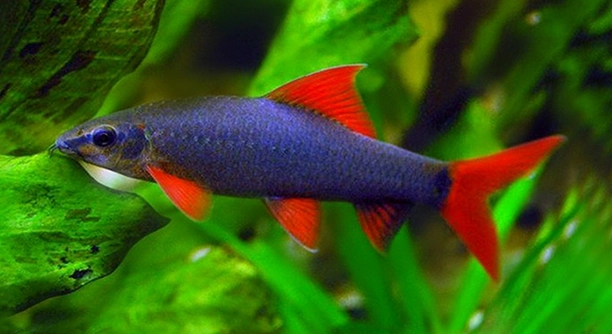
Rainbow sharks are popular freshwater fish known for their vibrant colors and active behavior. They add life to community tanks but require specific care to thrive. Understanding their needs is essential for a healthy aquarium environment.
Proper care of rainbow sharks involves maintaining stable water conditions, providing adequate space, and ensuring a balanced diet. These factors are crucial to prevent stress, aggression, and health problems, supporting the fish’s well-being and longevity in captivity.
Knowing these care essentials helps you create the best environment for your rainbow shark to flourish and remain a lively addition to your tank.
Understanding Your Rainbow Shark’s Tank Requirements
Rainbow sharks need enough space to swim actively. A tank of at least 30 gallons is recommended for a single fish. They prefer a tank with plenty of hiding spots, such as plants and caves, to reduce stress. The water temperature should be kept between 72°F and 79°F, with a pH level near neutral. Regular water changes and good filtration are important to maintain clean water and keep your fish healthy. Avoid overcrowding the tank, as rainbow sharks can become territorial and aggressive if space is limited.
Maintaining stable water conditions and sufficient space is key to keeping your rainbow shark comfortable and healthy.
Providing the right environment not only helps prevent aggression but also encourages natural behavior. When your tank is properly set up, your rainbow shark will swim actively and show off its beautiful colors. Observing your fish in a well-maintained tank is more rewarding, and you’ll notice fewer health issues. Good tank conditions contribute to a longer life and a more enjoyable aquarium experience overall.
Feeding Your Rainbow Shark Properly
Rainbow sharks are omnivores that need a varied diet for good health. They eat algae, flakes, pellets, and occasional live or frozen foods.
Feeding your rainbow shark a balanced diet helps maintain its vibrant color and energy levels.
To ensure your rainbow shark stays healthy, offer high-quality sinking pellets or wafers as a staple food, as they often feed near the bottom. Supplement with algae wafers or fresh vegetables like zucchini and cucumber. Occasionally, provide live or frozen foods such as bloodworms or brine shrimp for protein. Feed small amounts once or twice daily, avoiding overfeeding, which can pollute the water and harm your fish. Watching your fish eat will help you adjust feeding portions and keep their diet balanced. Regular feeding routines promote good digestion and overall vitality in your rainbow shark.
Managing Aggression in Rainbow Sharks
Rainbow sharks can show aggression, especially if their space is limited. Territorial disputes are common, particularly with other bottom dwellers.
Aggression often arises when tank conditions are cramped or when there are too many similar fish. Providing ample hiding places and enough swimming room helps reduce stress and territorial behavior. Introducing rainbow sharks to the tank at the same time can also lower fighting chances. Separating aggressive fish or upgrading to a larger tank may be necessary if conflicts persist. Monitoring interactions closely ensures peaceful coexistence.
Understanding their natural behavior allows you to manage aggression effectively. A calm environment benefits all your fish and helps your rainbow shark thrive. Adjusting the setup or fish lineup may be needed for harmony in your tank.
Maintaining Water Quality for Health
Water quality is critical for your rainbow shark’s health. Poor water conditions can cause stress and illness quickly.
Regular water changes are essential, ideally 20-25% weekly, to keep toxins low. Use a reliable filtration system and test water parameters often, focusing on ammonia, nitrite, and nitrate levels. Keep the pH stable around 6.5 to 7.5 and maintain temperature consistency. Cleaning the tank substrate helps remove waste buildup. Avoid sudden changes in water conditions, which can shock your fish. Good water quality supports your rainbow shark’s immune system and vibrant appearance.
Keeping water clean and stable creates a healthy habitat. Your rainbow shark will be more active and less prone to disease with proper maintenance. Regular care prevents common problems and supports long-term well-being.
Choosing Compatible Tank Mates
Rainbow sharks do best with peaceful, fast-swimming fish. Avoid slow or aggressive species that may provoke stress or fights.
Good tank mates include danios, barbs, and larger tetras. Avoid other bottom dwellers competing for space to reduce territorial disputes.
Recognizing Signs of Illness
Watch for changes in behavior, appetite, or appearance. Common signs include lethargy, faded colors, and damaged fins.
Early detection helps treat diseases before they worsen. Quarantine new fish to prevent infections from spreading in your tank.
Regular Tank Maintenance
Cleaning the tank regularly prevents harmful buildup. Change water weekly and clean filters as needed to maintain water quality.
Lighting and Environment
Moderate lighting works best for rainbow sharks. Too bright or too dim light can cause stress or hiding behavior.
FAQ
How often should I feed my rainbow shark?
Feeding your rainbow shark once or twice a day is enough. Offer small amounts that they can finish in a few minutes. Overfeeding can pollute the water and lead to health issues. Make sure to include a mix of pellets, flakes, and occasional live or frozen foods to keep their diet balanced.
Can rainbow sharks live with other bottom-dwelling fish?
Rainbow sharks can be territorial, especially toward other bottom dwellers. It’s best to avoid keeping them with similar fish like loaches or catfish to reduce fighting. If you do keep them together, provide plenty of hiding spaces and a large tank to minimize conflicts.
What tank size is suitable for a rainbow shark?
A minimum of 30 gallons is recommended for one rainbow shark. This size allows enough space for swimming and reduces territorial behavior. If you plan to keep more than one or add other fish, a larger tank is necessary to avoid overcrowding.
How do I keep the water clean for my rainbow shark?
Perform regular water changes of about 20-25% weekly. Use a good filter and test the water parameters frequently to keep ammonia, nitrites, and nitrates in check. Avoid sudden changes in water temperature or chemistry, which can stress your fish.
Why is my rainbow shark hiding all the time?
Hiding can indicate stress, poor water conditions, or illness. Make sure the tank is properly set up with hiding spots and stable water parameters. Check for signs of disease and make adjustments as needed. Sometimes, rainbow sharks hide if the lighting is too bright.
What do rainbow sharks eat in the wild?
In the wild, rainbow sharks feed mainly on algae, small insects, and plant matter. Replicating this diet in captivity with a mix of vegetable-based foods and protein helps maintain their health and color.
How aggressive are rainbow sharks?
Rainbow sharks can show aggression, especially in small or overcrowded tanks. They may chase or nip at other fish. Providing enough space and hiding spots reduces aggression. Introducing them to the tank before other bottom dwellers also helps.
Can rainbow sharks live without a heater?
Rainbow sharks prefer temperatures between 72°F and 79°F. In cooler climates or homes, a heater is often necessary to maintain stable temperatures. Without a heater, they may become stressed or susceptible to disease.
How long do rainbow sharks live?
With proper care, rainbow sharks can live up to 5 to 8 years in captivity. Good water quality, a balanced diet, and a stress-free environment contribute to their lifespan.
Is it normal for a rainbow shark to be inactive sometimes?
Yes, rainbow sharks may rest or stay still for short periods, especially during nighttime. However, extended inactivity or lethargy may indicate health problems or poor water conditions. Monitor your fish closely to spot any changes.
Should I use plants in my rainbow shark tank?
Yes, plants provide hiding places and improve water quality. Choose hardy plants that tolerate similar water conditions. Live plants also help reduce algae growth, which rainbow sharks will nibble on.
Can rainbow sharks be bred in home aquariums?
Breeding rainbow sharks is challenging and rare in home tanks. They require specific conditions and a large space. Most rainbow sharks available are bred in commercial facilities rather than by hobbyists.
What should I do if my rainbow shark gets sick?
Quarantine the fish in a separate tank to prevent spreading illness. Identify the symptoms and treat with appropriate medication. Maintaining clean water and a balanced diet helps prevent most diseases.
How often should I clean the tank for my rainbow shark?
Weekly cleaning, including water changes and filter maintenance, keeps the tank healthy. Removing uneaten food and waste prevents toxin buildup. Regular care reduces stress and disease risk for your fish.
Do rainbow sharks need a strong water current?
Rainbow sharks prefer moderate water flow that mimics their natural habitat. Too strong a current may stress them, while stagnant water can cause health problems. Adjust your filter to provide gentle circulation.
Final Thoughts
Taking care of a rainbow shark requires attention to its specific needs. Providing a suitable tank size, stable water conditions, and a balanced diet are essential steps. These fish thrive best in an environment where space is ample, water is clean, and feeding is consistent. Paying close attention to their tank setup and routine care helps reduce stress and encourages natural behavior. When these basics are met, your rainbow shark will show its bright colors and lively personality, making your aquarium more enjoyable.
It is important to manage your rainbow shark’s temperament by providing enough hiding spots and avoiding overcrowding. Rainbow sharks can become territorial, especially in smaller tanks or when housed with similar species. Creating a peaceful environment reduces aggression and allows all tank inhabitants to coexist comfortably. Regular monitoring of fish behavior and water quality helps catch problems early, preventing serious health issues. With some effort and care, these fish can live happily for several years, rewarding you with their beauty and activity.
Remember that maintaining a healthy aquarium is an ongoing process. Regular water changes, cleaning, and feeding routines keep your rainbow shark healthy and active. Understanding the signs of illness and how to respond is also essential for long-term success. Being consistent and attentive to your fish’s needs creates a balanced ecosystem in your tank. Overall, caring for a rainbow shark can be a fulfilling experience when approached with patience and knowledge. Your efforts will ensure your fish stays vibrant and healthy for years to come.

Hello,
If you enjoy the content that we create, please consider saying a "Thank You!" by leaving a tip.
Every little bit helps us continue crafting quality advice that supports the health, happiness, and well-being of pets around the world, for pets of all shapes, sizes, and species.
We really appreciate the kindness and support that you show us!