
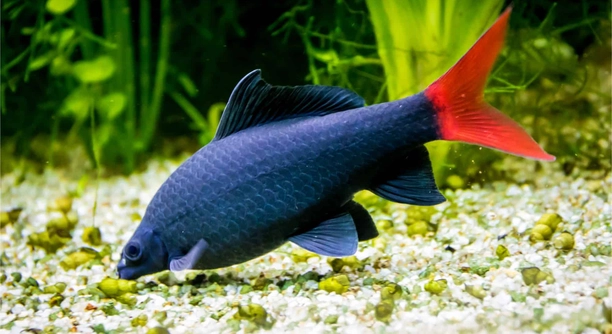
Many fish owners enjoy keeping rainbow sharks for their vibrant colors and active behavior. However, these fish sometimes stop eating, which can cause concern. Understanding why your rainbow shark won’t eat helps maintain its health and well-being.
The primary reasons a rainbow shark refuses food include stress, poor water quality, illness, or improper diet. Addressing these factors by checking tank conditions, ensuring proper nutrition, and observing for signs of disease can restore your fish’s appetite.
Recognizing these issues early can prevent serious problems. The following tips offer practical steps to help your rainbow shark start eating again.
Check Water Quality and Tank Conditions
Poor water quality is one of the most common reasons a rainbow shark will refuse food. Ammonia, nitrite, or nitrate levels that are too high create a stressful environment for the fish. Additionally, incorrect pH or temperature can disrupt their normal behavior, including eating. It is important to test the water regularly and perform partial water changes to maintain a clean and stable tank. Make sure the tank is not overcrowded, as too many fish can increase waste and stress. A properly cycled tank with appropriate filtration supports your rainbow shark’s health. If the tank conditions are not ideal, the fish may become lethargic and lose interest in food. Observing the water parameters and correcting any imbalances often leads to improved appetite and activity.
Maintaining clean water and stable conditions encourages your rainbow shark to eat regularly and stay healthy.
Regular water testing and tank maintenance create a safe habitat that supports your fish’s natural feeding behavior and overall well-being.
Adjust Feeding Habits and Diet
Rainbow sharks require a varied diet to stay healthy and interested in their food. Feeding the same type of food every day can cause boredom and refusal to eat. It is important to offer a mix of high-quality flakes, pellets, and occasional live or frozen foods such as bloodworms or brine shrimp. Feeding smaller amounts multiple times a day rather than one large feeding helps mimic their natural grazing behavior. Avoid overfeeding, as leftover food can degrade water quality and discourage eating. Monitoring your fish’s feeding response can help you adjust the diet and feeding schedule for better results. Introducing new foods gradually may encourage your rainbow shark to try different options. Balanced nutrition supports growth, color, and immune health, which all contribute to a healthy appetite.
Changing feeding routines and food types can revive your rainbow shark’s interest in eating. Small adjustments often make a big difference in their behavior and health.
Monitor for Signs of Illness
If your rainbow shark refuses food, illness could be a factor. Look for symptoms like faded color, clamped fins, or unusual swimming patterns. Early detection improves treatment success.
Common illnesses affecting appetite include bacterial infections, parasites, and swim bladder issues. Each condition requires specific care, so accurate identification is important. Quarantining the affected fish can prevent spread to others in the tank. Maintaining good water quality and a stress-free environment supports recovery. If symptoms worsen, consulting a vet or experienced aquarist may be necessary. Prompt action improves the chance your fish will return to normal eating habits and good health.
Treating illness often involves medicated food or water treatments. Observing your rainbow shark closely during recovery helps ensure its appetite returns steadily.
Reduce Stress Factors
Stress is a leading cause of appetite loss in rainbow sharks. Avoid sudden changes in the tank environment, such as water temperature fluctuations or adding aggressive tank mates. Provide plenty of hiding spots to help your fish feel secure. Loud noises or frequent disturbances near the tank can also increase stress. Keeping the tank in a quiet, stable area reduces these risks. Consistent lighting schedules and gentle water flow create a calm habitat. By minimizing stress, you encourage natural behaviors, including feeding. A comfortable environment allows your rainbow shark to regain confidence and start eating regularly again.
Maintain Proper Tank Size
Rainbow sharks need ample space to swim and establish territory. A tank smaller than 30 gallons can cause stress and competition, leading to appetite loss. Ensuring the tank size matches their needs promotes healthy behavior.
A larger tank also helps maintain stable water conditions, reducing environmental stress and encouraging feeding.
Observe Tank Mates
Aggressive or overly active tank mates can intimidate a rainbow shark, causing it to hide and refuse food. Selecting peaceful companions helps reduce stress and improve eating habits.
Ensuring compatible species coexist peacefully supports a balanced and calm tank environment.
Use Appetite Stimulants
In some cases, adding natural appetite stimulants like garlic can encourage eating. Garlic is known to enhance fish appetite and aid digestion when used moderately.
Applying such supplements can be a helpful tool in restoring your rainbow shark’s feeding routine.
FAQ
Why has my rainbow shark suddenly stopped eating?
A sudden loss of appetite in rainbow sharks is often linked to changes in their environment or health. Common causes include poor water quality, stress from aggressive tank mates, illness, or an inappropriate diet. Sudden temperature changes or improper pH can also cause discomfort and refusal to eat. Observing your fish and checking water parameters can help identify the problem. Addressing these factors quickly is important to prevent further health issues.
How long can a rainbow shark go without eating?
Rainbow sharks can typically survive for several days without food, sometimes up to a week, but this is not ideal. Prolonged fasting weakens their immune system and slows recovery from illness. It’s best to identify the cause of appetite loss and intervene early to restore feeding. If your fish has not eaten for more than three days, closely monitor its behavior and tank conditions.
Can overfeeding cause a rainbow shark to stop eating?
Yes, overfeeding can lead to appetite loss. Excess food decomposes in the tank, worsening water quality and creating a stressful environment. This reduces the fish’s desire to eat. Feeding small amounts once or twice daily and removing uneaten food promptly helps maintain good water conditions and encourages healthy feeding habits.
What should I feed a picky rainbow shark?
Variety is key. Offer high-quality flakes or pellets designed for omnivorous fish, supplemented with live or frozen foods such as bloodworms, brine shrimp, or daphnia. Occasionally adding vegetables like blanched zucchini or spinach can provide nutrients and keep their interest. Introducing new foods gradually often improves acceptance.
How do I treat illness-related appetite loss?
First, isolate the affected fish if possible to prevent spread. Identify symptoms such as spots, fin damage, or unusual swimming. Common treatments include medicated food or water additives designed for bacterial or parasitic infections. Maintaining optimal water quality and reducing stress supports healing. Consult an aquarist or vet for persistent or unclear cases.
Can stress cause long-term feeding problems?
Yes, chronic stress from poor tank conditions, bullying by other fish, or frequent disturbances can cause ongoing appetite issues. Stress weakens the immune system and alters behavior, including feeding. Creating a calm, stable environment with hiding places and compatible tank mates is essential for recovery.
Is it normal for rainbow sharks to refuse food during certain times?
Rainbow sharks may eat less during breeding or after environmental changes. However, refusal should not last more than a few days. If appetite loss continues, investigate possible causes such as illness or water quality. Monitoring their behavior closely helps determine if intervention is needed.
How often should I test the water to prevent feeding problems?
Regular testing is important. Weekly checks for ammonia, nitrite, nitrate, pH, and temperature help maintain a healthy environment. Frequent water changes and filter maintenance complement testing. Keeping water conditions stable encourages normal feeding patterns and overall health.
Will adding hiding spots help with feeding?
Yes, providing plants, caves, or decorations where the fish can retreat reduces stress and increases comfort. Rainbow sharks are territorial and appreciate places to escape aggressive tank mates. When fish feel secure, they are more likely to feed normally.
Can changing the lighting affect my rainbow shark’s appetite?
Sudden changes or overly bright lighting can cause stress, leading to reduced feeding. Maintaining a consistent day-night cycle with moderate lighting supports natural behavior. Dimmer lighting or providing shaded areas can help shy or stressed fish feel more comfortable.
What signs show my rainbow shark is recovering its appetite?
Signs include increased activity, exploring the tank, approaching food eagerly, and eating during feeding times. Color may brighten as health improves. These behaviors indicate the fish is becoming comfortable and regaining strength.
Is it safe to fast a rainbow shark to improve appetite?
Short fasting (1-2 days) can sometimes reset feeding behavior but should be done cautiously. Extended fasting risks weakening the fish. It’s better to address underlying causes of appetite loss and provide a healthy diet than rely on fasting.
How do I introduce new foods without stressing my fish?
Introduce new foods slowly by mixing small amounts with their usual diet. Observe their response and avoid sudden large changes. Offering live or frozen foods occasionally can stimulate interest. Patience is key when adjusting feeding habits.
Can poor tank filtration affect my rainbow shark’s eating habits?
Yes, inefficient filtration leads to poor water quality, increased toxins, and oxygen depletion. These conditions cause stress and illness, reducing appetite. Ensuring a proper filter size and regular cleaning helps maintain a safe environment for feeding.
What is the best way to quarantine a sick rainbow shark?
Use a separate tank with clean, stable water conditions and similar temperature to the main tank. Avoid adding decorations that are difficult to clean. Monitor water quality closely and administer treatments as recommended. Quarantine prevents disease spread and allows focused care.
Taking care of a rainbow shark that won’t eat can be challenging, but understanding the common reasons behind this behavior helps make the process easier. Problems with water quality, stress, illness, or diet are usually the main causes. Checking and maintaining clean water is essential. A stable environment with the right temperature and pH supports the fish’s health and appetite. Stress can come from aggressive tank mates, overcrowding, or sudden changes in the tank. Creating a calm space with hiding spots helps the fish feel safe and more willing to eat.
Adjusting the diet and feeding habits is also important. Rainbow sharks need a varied diet with different types of food, including flakes, pellets, and occasional live or frozen treats. Overfeeding can lead to poor water quality, which worsens the fish’s condition and appetite. Feeding smaller amounts several times a day is better than giving one large meal. If illness is suspected, it is important to act quickly by isolating the fish and using proper treatments. Monitoring for signs like faded color, unusual swimming, or damaged fins can help identify health issues early.
Patience is key when helping a rainbow shark return to normal eating habits. Changes may take time to show results. Keeping water conditions stable, reducing stress, and offering a balanced diet often bring positive outcomes. If problems persist, consulting a professional or experienced aquarist can provide additional support. By paying close attention to the fish’s environment and behavior, it is possible to help your rainbow shark regain its appetite and stay healthy for a long time.

Hello,
If you enjoy the content that we create, please consider saying a "Thank You!" by leaving a tip.
Every little bit helps us continue crafting quality advice that supports the health, happiness, and well-being of pets around the world, for pets of all shapes, sizes, and species.
We really appreciate the kindness and support that you show us!