
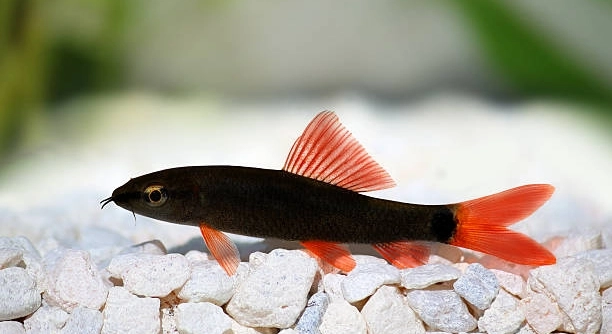
Rainbow Sharks are popular aquarium fish known for their vibrant colors and active nature. Sometimes, these fish stop eating, which can be worrying for their owners. Understanding what causes this behavior is important for their care.
When a Rainbow Shark refuses food, the cause is often related to water quality, stress, illness, or diet issues. Proper tank conditions and observation are critical to identify and address the problem effectively.
Knowing how to respond quickly can improve your Rainbow Shark’s health and keep your aquarium balanced and lively.
Check Water Quality
Maintaining clean water is essential for your Rainbow Shark’s health. Poor water conditions often cause stress, making fish lose their appetite. Test the tank regularly for ammonia, nitrite, nitrate, and pH levels. Ammonia and nitrite should always be zero, while nitrate should stay low. Temperature is another important factor; Rainbow Sharks prefer water between 74 and 80°F (23-27°C). Frequent water changes and proper filtration help keep the tank environment stable. Sometimes, leftover food or waste can build up and lower water quality, so cleaning the tank regularly is important. If water conditions are poor, your fish might hide and stop eating until the water improves. Observing water quality can prevent many health problems for your Rainbow Shark.
Poor water quality stresses fish and affects their appetite significantly.
Regular monitoring and maintenance of water parameters will keep your Rainbow Shark healthy and eating well.
Observe for Signs of Illness
Loss of appetite can be a sign that your Rainbow Shark is sick. Common illnesses include infections, parasites, or injuries that affect their ability to eat. Look closely for changes in behavior or appearance, such as lethargy, clamped fins, spots, or unusual swimming patterns. Some diseases require prompt treatment with medications or changes in tank conditions. If you suspect illness, isolate the fish to avoid spreading disease to other tank mates. Sometimes, a weakened immune system from poor diet or stress can cause illness, so improving these conditions is also helpful. Consulting a vet or experienced aquarium specialist can guide you through diagnosis and treatment options. Catching problems early increases the chances of a full recovery and getting your Rainbow Shark to eat again.
Adjust the Diet
Rainbow Sharks need a varied diet to stay healthy. Feeding only one type of food can cause them to lose interest.
Including high-quality pellets, flakes, and occasional live or frozen foods like bloodworms or brine shrimp keeps their diet balanced. Vegetables like zucchini or spinach can be offered to supplement nutrition. Avoid overfeeding, which can lead to poor water quality and health problems. Feeding small amounts two to three times daily encourages regular eating habits. If your Rainbow Shark stops eating, try changing the type or presentation of food. Sometimes they prefer sinking pellets over flakes or vice versa. Observing what your fish prefers helps improve its appetite and overall health.
If your Rainbow Shark refuses food, switching up the diet can help stimulate its interest and restore eating habits. A balanced mix of proteins and vegetables meets their nutritional needs and supports growth and color.
Reduce Stress in the Tank
Stress is a major factor that can stop your Rainbow Shark from eating. Common sources include overcrowding, aggressive tank mates, and sudden changes in water conditions.
Providing plenty of hiding spots and maintaining a peaceful environment can reduce stress. Avoid sudden loud noises or frequent tapping on the glass, as these can frighten your fish. Keeping a stable water temperature and consistent lighting schedule also helps minimize stress. If you notice bullying or aggression from other fish, consider rearranging the tank layout or separating the aggressive fish. Stress weakens the immune system and affects appetite, so creating a calm habitat is essential for recovery. A relaxed Rainbow Shark will feel safer and more likely to eat normally.
Check Tank Size and Space
Rainbow Sharks need enough space to swim and explore. A crowded tank can cause stress and reduce their appetite.
Ensure your tank is at least 30 gallons for one Rainbow Shark. Overcrowding leads to poor water quality and aggressive behavior, both of which affect eating.
Monitor Tank Mates
Some fish species can be aggressive or outcompete your Rainbow Shark for food. Choosing peaceful tank mates helps maintain a calm environment.
Aggressive fish can stress your Rainbow Shark, causing it to hide and refuse food. Ensure all tank mates are compatible and provide enough space and hiding places.
Maintain Proper Lighting
Consistent lighting mimics natural day and night cycles, which supports healthy fish behavior.
Too much or too little light can stress your Rainbow Shark. Use a timer to keep a regular light schedule, about 8-10 hours daily.
Be Patient
Recovery and adjustment take time. Forcing your fish to eat can cause more stress.
Allow your Rainbow Shark time to acclimate after changes. Monitor progress and provide a calm environment for the best results.
FAQ
Why is my Rainbow Shark hiding and not eating?
Hiding is often a sign of stress or illness. Poor water quality, aggressive tank mates, or sudden changes in the environment can cause your fish to hide. When stressed, Rainbow Sharks lose their appetite. Improving tank conditions and ensuring peace can help them feel safe enough to eat again.
How long can a Rainbow Shark go without eating?
Generally, Rainbow Sharks can survive for about a week without food, but this is not ideal. Prolonged fasting weakens their immune system and may cause illness. If your fish stops eating for more than two days, it’s important to check water quality and health immediately.
What foods are best for picky Rainbow Sharks?
High-quality sinking pellets are usually preferred because Rainbow Sharks feed near the bottom. Supplement their diet with live or frozen foods like bloodworms, brine shrimp, and daphnia. Vegetables like zucchini or spinach provide fiber and variety. Offering a mix of these can encourage eating.
Can temperature changes affect my Rainbow Shark’s appetite?
Yes. Rainbow Sharks prefer water between 74 and 80°F (23-27°C). Temperatures outside this range can cause stress or slow metabolism, leading to loss of appetite. Use a reliable heater and thermometer to keep the tank stable.
How can I tell if my Rainbow Shark is sick?
Look for unusual behaviors like lethargy, erratic swimming, clamped fins, or visible spots and wounds. A sick fish often refuses food. Early detection and treatment are key to recovery, so watch closely and consult an expert if needed.
Is it normal for Rainbow Sharks to stop eating during tank changes?
Yes, changes like new decorations or tankmates can stress your fish. They may hide and refuse food temporarily. Keep water conditions stable and avoid sudden changes to help your fish adjust more easily.
Should I isolate my Rainbow Shark if it stops eating?
Isolation can be helpful if illness is suspected, to prevent spreading disease and monitor feeding closely. Use a quarantine tank with similar water conditions and observe the fish’s behavior daily.
Can overfeeding cause Rainbow Sharks to stop eating?
Overfeeding often leads to poor water quality and obesity, which can reduce appetite. Feed small amounts that the fish can consume within a few minutes, once or twice a day, to maintain good health.
Does lighting affect Rainbow Shark appetite?
Yes, inconsistent or harsh lighting can stress your fish. A stable lighting schedule of 8-10 hours a day helps mimic natural conditions and encourages regular feeding behavior.
What are signs of stress in Rainbow Sharks?
Signs include hiding, rapid breathing, loss of color, erratic swimming, and refusal to eat. Stress may be caused by poor water quality, aggressive tankmates, or improper tank size. Addressing these factors reduces stress and supports appetite.
How often should I clean my tank to keep my Rainbow Shark healthy?
Perform partial water changes of 20-25% weekly. Clean the substrate and remove uneaten food regularly to prevent waste buildup. Consistent tank maintenance keeps water parameters stable and your fish healthy.
Can introducing new plants or decorations affect eating habits?
New items may cause temporary stress, leading to reduced appetite. Make changes gradually and allow the fish to adjust. Providing hiding spots helps Rainbow Sharks feel secure and encourages feeding.
Are Rainbow Sharks aggressive, and can this affect feeding?
Rainbow Sharks can be territorial, especially in small tanks. Aggression from or toward other fish may stress them and reduce appetite. Provide enough space and compatible tankmates to minimize conflicts.
How do I encourage a Rainbow Shark to start eating again?
Offer a variety of foods, keep water conditions stable, reduce stress, and maintain a proper environment. Patience and observation are key; sometimes they need time to feel comfortable and resume normal feeding.
What should I do if my Rainbow Shark refuses all food?
Check water quality first, then look for signs of illness or stress. Adjust diet and environment as needed. If no improvement occurs within a few days, seek advice from an aquarium specialist or vet to diagnose the problem.
When your Rainbow Shark stops eating, it can feel worrying, but understanding the reasons behind it helps you take the right steps. Often, the problem is related to the tank environment or stress. Keeping the water clean and stable is one of the most important things you can do. Regular testing of water quality and consistent maintenance will create a healthy space for your fish. Changes in temperature, lighting, or overcrowding can also affect your Rainbow Shark’s appetite. Paying attention to these details helps you catch issues early and prevent long-term problems.
Sometimes, illness can cause your Rainbow Shark to lose interest in food. Watching for signs like unusual behavior or physical changes is necessary. If you notice something wrong, it’s best to act quickly and, if needed, isolate the fish to stop the spread of disease. Offering a varied diet that includes pellets, live foods, and vegetables supports your fish’s health and encourages eating. Avoid overfeeding and feed smaller portions multiple times a day to keep the water cleaner and your fish happier. A calm and stress-free environment with compatible tank mates also plays a big role in maintaining good appetite.
Patience is key when dealing with a Rainbow Shark that isn’t eating. Recovery can take time, and forcing the fish to eat will only cause more stress. Observe your fish closely, keep the tank conditions stable, and try small changes like switching food types or adjusting lighting. Taking these careful steps improves the chances your Rainbow Shark will start eating again and stay healthy. Consistent care and attention create the best environment for your fish to thrive, helping you enjoy a beautiful and lively aquarium.

Hello,
If you enjoy the content that we create, please consider saying a "Thank You!" by leaving a tip.
Every little bit helps us continue crafting quality advice that supports the health, happiness, and well-being of pets around the world, for pets of all shapes, sizes, and species.
We really appreciate the kindness and support that you show us!