
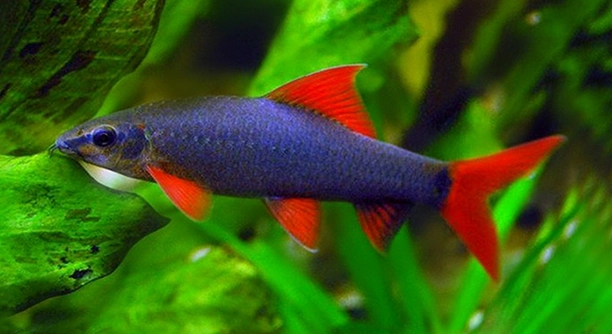
Rainbow sharks are popular freshwater fish known for their peaceful nature and vibrant colors. Sometimes, these fish may stop swimming normally, which can worry their owners. Understanding the causes and solutions is important for their well-being.
When a rainbow shark is not swimming normally, common causes include poor water quality, stress, illness, or injury. Addressing these factors promptly with proper care and environment adjustments is crucial to restoring healthy swimming behavior.
Knowing what to do in these situations helps protect your fish and keeps your aquarium balanced and healthy.
Check Water Quality First
Water quality is the most common reason rainbow sharks stop swimming normally. Poor water conditions cause stress and make fish sluggish or hide more. Regularly test the water for ammonia, nitrites, nitrates, and pH levels. Ammonia and nitrites should be at zero, while nitrates must stay below 20 ppm. The ideal pH for rainbow sharks is between 6.5 and 7.5. Temperature is also important; keep the water between 74°F and 80°F. If any of these factors are off, perform partial water changes to improve conditions quickly. Using a good filter and avoiding overfeeding helps maintain water quality in the long term.
Keeping water clean reduces stress and promotes natural swimming behavior. Unstable water parameters can cause illness or sudden behavior changes in rainbow sharks.
A clean tank means healthier fish. Proper water quality supports the immune system and encourages activity. Regular water tests and tank maintenance prevent many swimming issues, making your fish comfortable and lively. Monitoring water quality is a simple but essential step to protect your rainbow shark’s health.
Observe for Signs of Illness
Illness can cause your rainbow shark to swim abnormally or stay still. Look closely for visible signs such as torn fins, white spots, redness, or swelling. Changes in appetite or breathing are also warning signs. Sometimes infections or parasites affect fish without obvious marks at first. Infected fish may isolate themselves or stay near the surface or bottom of the tank.
If you notice illness signs, quarantine the affected fish immediately to prevent spread. Use aquarium salt or medication specifically for the identified problem. Follow instructions carefully and monitor the fish daily. Keep the tank clean and maintain good water conditions during treatment.
Treating illness early increases the chances of recovery. A prompt response helps reduce suffering and prevents the condition from worsening. Consult a vet or aquatic specialist if unsure about the diagnosis or treatment method. Knowing how to identify and respond to illness is key to restoring your rainbow shark’s normal behavior.
Check for Tank Mates Stress
Aggressive or overly active tank mates can stress your rainbow shark, causing it to swim oddly or hide. Keep an eye on how other fish behave around your shark and watch for chasing or nipping. Removing or separating aggressive fish can help restore calm.
Stress from tank mates affects fish health and behavior. Rainbow sharks prefer peaceful community tanks and plenty of hiding spaces. Overcrowding makes stress worse. Provide decorations like plants, caves, or rocks to offer shelter. Stress weakens the immune system, leading to illness or poor swimming. Adjusting tank mates or rearranging the tank can reduce stress and improve your shark’s comfort.
Creating a peaceful environment is key. Avoid mixing with large, aggressive fish or fast swimmers that compete for food. Introduce compatible species like tetras or gouramis. A calm tank helps rainbow sharks regain their natural swimming patterns and stay healthy.
Ensure Proper Diet and Feeding
Feeding issues can affect your rainbow shark’s energy and swimming habits. A poor diet leads to lethargy and irregular movement. Provide a balanced diet of sinking pellets, live or frozen foods like bloodworms, and vegetables. Avoid overfeeding to prevent water quality problems.
Regular feeding schedules keep your fish healthy and active. Monitor eating behavior and adjust portions accordingly. Sometimes, appetite changes indicate health issues or stress. Feeding a variety of foods ensures good nutrition and stimulates natural foraging behavior.
Supplementing their diet with occasional treats encourages activity and reduces boredom. Healthy nutrition supports muscle strength and overall vitality, which reflect in normal swimming. Keeping your rainbow shark well-fed with proper food is an easy way to maintain good behavior.
Monitor Tank Temperature
Sudden changes in tank temperature can stress your rainbow shark and affect its swimming. Keep the temperature stable within the ideal range of 74°F to 80°F.
Use a reliable heater and thermometer to maintain consistent warmth. Avoid placing the tank near windows or vents that cause fluctuations.
Clean the Tank Regularly
Regular tank cleaning helps keep water safe and fish healthy. Remove uneaten food, debris, and waste during water changes.
A clean environment reduces toxins and prevents disease. Aim for weekly partial water changes of 20-30% and clean the substrate gently to avoid disturbing beneficial bacteria.
Provide Enough Space
Crowded tanks limit your rainbow shark’s movement and cause stress. Ensure the tank is at least 30 gallons for one shark.
A larger tank allows natural swimming behavior and reduces territorial aggression, helping your fish feel comfortable and active.
Watch for Physical Injuries
Injuries can cause abnormal swimming or hiding. Look for cuts, bruises, or damaged fins.
If injuries are present, isolate the fish and treat the wounds to prevent infection.
FAQ
Why is my rainbow shark swimming sideways or upside down?
Swimming sideways or upside down often signals a swim bladder problem or poor water quality. The swim bladder helps control buoyancy, and if it’s affected by infection, injury, or water conditions, your fish will have trouble swimming normally. Check water parameters immediately and observe for other illness signs. A clean tank and proper diet can help prevent this issue.
How long does it take for a rainbow shark to recover from stress?
Recovery time varies, but usually, it takes several days to a week for a stressed rainbow shark to return to normal behavior once conditions improve. Reducing stressors like poor water quality, aggressive tank mates, or sudden temperature changes helps speed recovery.
Can overcrowding cause my rainbow shark to stop swimming properly?
Yes, overcrowding leads to stress, limited space, and competition for food, all affecting swimming. A tank of at least 30 gallons per rainbow shark is recommended. If overcrowded, fish may become sluggish or hide more often.
Is it normal for rainbow sharks to hide a lot?
Rainbow sharks are territorial but usually active during the day. Excessive hiding can indicate stress, illness, or poor tank conditions. Providing hiding spots is important, but if your fish hides more than usual, check water quality and tank mates.
What foods help improve my rainbow shark’s swimming activity?
A balanced diet with sinking pellets, live or frozen bloodworms, brine shrimp, and vegetables supports good health and energy. Avoid overfeeding and remove leftover food to keep water clean. Variety in diet encourages natural foraging and activity.
How often should I clean the tank to keep my rainbow shark healthy?
Partial water changes of 20-30% once a week help maintain water quality. Clean the substrate and remove waste regularly without disturbing beneficial bacteria. Keeping the tank clean prevents illness and swimming problems.
Can diseases cause swimming problems in rainbow sharks?
Yes, diseases like ich, fin rot, and swim bladder infections affect swimming. Watch for spots, fin damage, or abnormal breathing. Early treatment with proper medication and quarantine increases chances of recovery.
Is it okay to keep rainbow sharks with other fish?
Rainbow sharks can live with peaceful tank mates but avoid aggressive or fast fish that may stress them. Provide enough space and hiding places to reduce territorial disputes and help all fish swim comfortably.
What temperature is best for rainbow sharks?
Maintain the water temperature between 74°F and 80°F. Sudden changes or temperatures outside this range cause stress and abnormal swimming behavior.
How do I know if my rainbow shark is sick or just stressed?
Sick fish often show physical signs like spots, torn fins, or swelling, along with changes in appetite and breathing. Stressed fish may hide or swim oddly but lack visible symptoms. Testing water quality and observing behavior helps determine the cause.
When your rainbow shark is not swimming normally, it is important to act quickly and carefully. Many issues, such as water quality, stress, illness, or diet, can cause changes in swimming behavior. By checking the water conditions regularly and keeping the tank clean, you can prevent most problems before they start. Maintaining a stable environment with proper temperature and clean water helps your fish feel safe and healthy. Small steps like these make a big difference in the well-being of your rainbow shark.
Stress is another major factor that can affect your fish’s swimming. This can come from aggressive tank mates, overcrowding, or sudden changes in the tank setup. Providing enough space and hiding spots helps your rainbow shark feel secure and less threatened. It is important to watch how your fish interacts with others and adjust the tank if needed. When stress is reduced, your fish is more likely to swim naturally and stay active. Making the tank a peaceful place benefits all your aquatic pets.
Lastly, nutrition and health play a key role in your rainbow shark’s behavior. Feeding a balanced diet with the right types of food gives your fish the energy it needs to swim well. Keep an eye out for signs of illness or injury and take action quickly if you notice anything unusual. Quarantining sick fish and treating them properly can prevent serious problems. Caring for your rainbow shark in these ways helps keep it happy and swimming normally for a long time. Consistent attention and care are the best tools to support your fish’s health.

Hello,
If you enjoy the content that we create, please consider saying a "Thank You!" by leaving a tip.
Every little bit helps us continue crafting quality advice that supports the health, happiness, and well-being of pets around the world, for pets of all shapes, sizes, and species.
We really appreciate the kindness and support that you show us!