
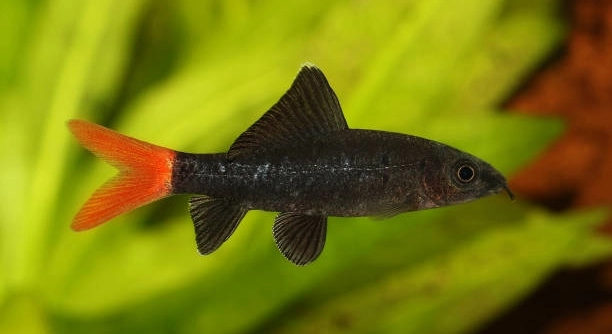
Rainbow sharks are popular aquarium fish known for their striking colors and active behavior. However, they can become easily stressed in captivity due to various environmental factors. Managing their stress is essential for their health and well-being.
Preventing stress in rainbow sharks involves maintaining proper tank conditions, including adequate space, water quality, hiding spots, and compatible tank mates. Consistent feeding schedules and minimizing sudden changes also play key roles in reducing stress levels.
These simple steps can improve your rainbow shark’s quality of life and help avoid common health problems linked to stress. The following tips will guide you through effective stress prevention methods.
Provide Adequate Space for Swimming
Rainbow sharks are active swimmers that need plenty of room to move around. Keeping them in a small tank can cause stress, leading to aggressive behavior and health issues. Ideally, your tank should be at least 30 gallons for one rainbow shark. Larger tanks are better if you want to keep multiple fish. Open swimming areas help the fish exercise and stay healthy. Without enough space, they can become territorial and stressed, which often shows through color fading or hiding. Make sure to arrange the tank with some open areas while also including hiding spots where the fish can retreat if needed.
Providing enough swimming space helps your rainbow shark feel secure and comfortable in its environment. A roomy tank mimics their natural habitat and reduces conflicts with other fish.
Proper tank size is the foundation of stress prevention for rainbow sharks. It supports their natural behavior and allows them to thrive in captivity, ensuring their long-term health.
Maintain Excellent Water Quality
Water quality directly impacts the health of rainbow sharks. Poor water conditions can cause stress and disease. Regular testing is essential to keep ammonia, nitrite, and nitrate levels low. These toxins build up quickly in an aquarium and affect fish breathing and immune systems. Changing 20-30% of the water weekly helps keep it clean and safe. Using a good filtration system supports removing waste and toxins. Stable temperature and pH levels also prevent stress. Rainbow sharks prefer water temperatures between 72 and 79°F and a neutral pH around 6.5 to 7.5. Keeping these parameters steady makes the environment predictable and calming for your fish.
Consistent water maintenance is key to preventing health issues. Unstable or dirty water can quickly lead to stress and illness, affecting behavior and appearance.
Stress from poor water quality weakens a rainbow shark’s defenses, making it vulnerable to infections. Staying on top of water care is one of the most effective ways to keep your fish healthy and happy. Monitoring water chemistry and performing regular water changes create a balanced environment. The filter should run continuously and be cleaned as needed to maintain efficiency. By controlling water parameters, you create stable conditions that support your rainbow shark’s immune system and reduce stress. This allows them to display their natural colors and behavior without disruptions from an unhealthy environment.
Provide Hiding Spots
Rainbow sharks need places to hide to feel safe and reduce stress. Rocks, caves, and plants create shelter and break the line of sight between fish. Hiding spots help them escape aggressive tank mates and calm down.
Including enough hiding spots mimics their natural environment. These areas allow the fish to rest and feel secure during stressful moments. A well-decorated tank with varied hiding places reduces territorial behavior and prevents constant chasing. Use smooth rocks and avoid sharp objects to protect their delicate fins. Artificial or live plants work well as cover. Position hiding spots in different tank areas to give the fish options. Changing the layout occasionally can also reduce boredom and stress.
Hiding places improve your rainbow shark’s confidence and reduce aggression in the tank. When the fish have a retreat, they are less likely to become defensive and display stress signs such as color dulling or rapid breathing.
Choose Compatible Tank Mates
Rainbow sharks can be territorial, so picking the right tank mates is important to avoid stress. Avoid aggressive or very small fish that might become targets. Peaceful fish of similar size work best.
Choosing compatible fish minimizes fights and competition for space. Tank mates should not be too slow or too aggressive. Species like barbs, danios, and larger tetras usually get along well with rainbow sharks. Avoid keeping multiple rainbow sharks in a small tank to reduce territorial disputes. Monitor fish behavior after introducing new tank mates and remove any that cause stress or bullying. Proper compatibility leads to a more peaceful environment, benefiting all fish in the aquarium.
Keep a Consistent Feeding Schedule
Rainbow sharks thrive on routine, so feeding them at the same times each day helps reduce stress. Overfeeding or irregular meals can cause health problems and discomfort.
A steady schedule supports good digestion and maintains water quality by preventing leftover food buildup.
Use a Balanced Diet
Rainbow sharks need a varied diet that includes high-quality pellets, live or frozen foods, and occasional vegetables. Proper nutrition keeps them healthy and less prone to stress-related illnesses.
Feeding a balanced diet strengthens their immune system and enhances their vibrant colors.
Minimize Sudden Changes
Sudden changes in environment or routine can stress rainbow sharks. Avoid abrupt moves, quick temperature shifts, or sudden tank rearrangements to keep them calm.
Gradual adjustments give your fish time to adapt and maintain their well-being.
FAQ
How can I tell if my rainbow shark is stressed?
Signs of stress in rainbow sharks include hiding more than usual, loss of color brightness, erratic swimming, and refusal to eat. They may also show rapid gill movement or rubbing against tank objects. Watching for these behaviors helps catch problems early before health issues develop.
What tank size is best to reduce stress?
A minimum of 30 gallons is recommended for one rainbow shark. Larger tanks provide more swimming space and reduce territorial disputes if you keep more fish. Providing ample room allows natural behavior and lowers stress levels.
How often should I test the water?
Testing water weekly for ammonia, nitrites, nitrates, pH, and temperature is ideal. Regular checks ensure water conditions remain stable and safe, preventing stress caused by toxic buildup or sudden changes.
What foods are best for rainbow sharks?
High-quality sinking pellets designed for bottom feeders form the diet’s base. Supplement with frozen or live foods like bloodworms, brine shrimp, and daphnia. Occasionally, feed blanched vegetables such as zucchini or spinach to add variety and nutrients.
Can rainbow sharks live with other fish?
Yes, but compatibility is important. Peaceful, medium-sized fish that won’t compete aggressively for space work best. Avoid slow-moving or very small fish that may become targets. Proper selection reduces stress and aggression.
How do I create hiding spots?
Use smooth rocks, caves, and dense plants to create shelters. Position hiding spots in different tank areas to give fish choices for retreat. Avoid sharp or rough decorations that could injure fins.
How often should I change the water?
Change 20-30% of the water weekly to maintain cleanliness and remove toxins. Frequent water changes keep the environment stable and reduce stress.
What temperature is ideal for rainbow sharks?
Maintain water temperature between 72°F and 79°F. Sudden temperature swings can cause stress and illness, so use a reliable heater and thermometer to keep conditions steady.
Why is my rainbow shark chasing other fish?
Chasing often happens when they feel cramped or territorial. Providing more space and hiding places reduces this behavior. Ensuring compatible tank mates also helps minimize aggression.
Can stress affect my rainbow shark’s color?
Yes, stress often causes color fading or dullness. A healthy, stress-free environment supports their bright, vibrant colors and overall vitality.
What should I do if my rainbow shark appears sick?
Isolate the fish in a quarantine tank to prevent spreading disease. Check water quality and adjust diet. Consult a veterinarian or aquarium specialist if symptoms persist.
Is it okay to keep more than one rainbow shark?
It’s possible in large tanks with plenty of space and hiding spots. However, they are territorial, so monitor closely for aggression and be ready to separate if needed. Too many in a small tank causes stress and fights.
How do I reduce stress during tank cleaning?
Clean slowly and gently without disturbing the fish too much. Avoid changing all the water at once. Keep water temperature and chemistry consistent to prevent shock.
Can loud noises affect rainbow sharks?
Yes, loud vibrations or sudden noises can stress fish. Place the tank in a quiet area away from heavy foot traffic or loud appliances.
How long do rainbow sharks usually live?
With proper care, they can live 5 to 8 years or longer. Stress reduction and good water quality extend their lifespan and improve quality of life.
Taking care of rainbow sharks means paying close attention to their environment and daily needs. These fish are active and colorful but can become easily stressed if conditions are not right. Providing enough space, clean water, proper food, and places to hide are some of the most important steps to help keep them calm and healthy. A well-maintained tank with steady conditions reduces the chances of stress, which can lead to illness or poor behavior. Understanding what makes rainbow sharks comfortable can make a big difference in their well-being.
Stress can show in many ways, such as changes in color, behavior, or appetite. Noticing these signs early allows you to make adjustments to their care before problems worsen. Consistency is key when it comes to feeding, water quality, and tank maintenance. Sudden changes or overcrowding often cause stress, so keeping a predictable routine helps the fish feel secure. In addition, selecting peaceful tank mates and adding hiding spots can reduce conflicts and give the fish a safe place to retreat. These small details add up to a healthier and happier fish.
Ultimately, caring for rainbow sharks is about creating a stable, safe environment that meets their natural needs. It is important to keep learning and observing how your fish respond to their surroundings. With proper care, rainbow sharks can thrive and display their bright colors beautifully. Reducing stress is not only good for their health but also makes your aquarium more enjoyable to watch. Following these basic steps will help ensure your rainbow sharks live a longer, stress-free life.

Hello,
If you enjoy the content that we create, please consider saying a "Thank You!" by leaving a tip.
Every little bit helps us continue crafting quality advice that supports the health, happiness, and well-being of pets around the world, for pets of all shapes, sizes, and species.
We really appreciate the kindness and support that you show us!