
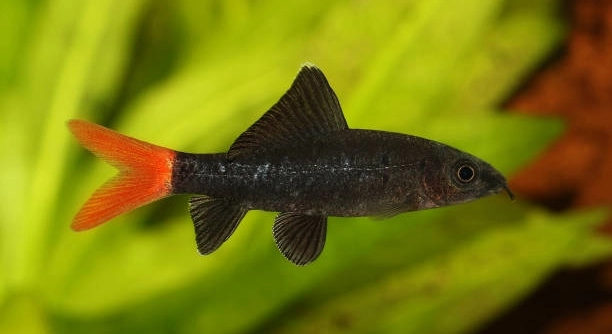
Is your rainbow shark losing its vibrant colors despite your efforts? Many aquarium enthusiasts face this issue and seek reliable solutions. Maintaining the brightness of this popular freshwater fish can sometimes be challenging but is essential for its health.
The fading colors in rainbow sharks usually result from stress, poor water quality, inadequate diet, or illness. Addressing these factors promptly by improving tank conditions, feeding nutritious food, and monitoring for disease can help restore your fish’s natural coloration.
Understanding the causes and remedies will help you support your rainbow shark’s well-being and keep its colors bright for a long time. This guide will walk you through practical steps to improve your fish’s condition.
Check Water Quality and Parameters
Poor water quality is one of the main reasons a rainbow shark may lose its colors. High levels of ammonia, nitrites, or nitrates can cause stress and weaken the fish’s immune system. Regularly testing the water is essential to ensure these parameters stay within safe limits. The ideal temperature for a rainbow shark is between 75°F and 79°F, with a pH of 6.5 to 7.5. Consistent water changes, at least 20% weekly, help maintain cleanliness and reduce toxins. Overcrowding the tank or adding incompatible fish can also disturb water balance and stress your rainbow shark. Keeping the tank clean and stable will help your fish regain its vibrant colors and improve overall health.
Keeping water clean and stable is key to supporting your rainbow shark’s coloration and well-being.
Maintaining proper filtration and avoiding sudden changes in water conditions are crucial. Using a reliable water test kit helps you monitor ammonia, nitrite, and nitrate levels. If these levels are high, perform partial water changes more frequently. Ensure the tank is large enough for your rainbow shark, as cramped conditions increase stress and reduce color vibrancy. Avoid overfeeding, as leftover food decomposes and affects water quality. By keeping a steady and clean environment, you allow your rainbow shark to recover its bright, attractive colors.
Provide a Balanced Diet
A poor diet lacking essential nutrients often leads to dull and faded colors in rainbow sharks. These fish thrive on a mix of high-quality flakes, pellets, and occasional live or frozen foods such as bloodworms or brine shrimp. Including vegetable matter like blanched spinach or zucchini adds fiber and important vitamins. Feeding small amounts two to three times daily prevents overeating and water pollution. Protein-rich food supports muscle growth and color intensity. Vitamin supplements can also help improve skin health and pigmentation. Consistency in diet is important; sudden changes may stress the fish and worsen color loss. A well-rounded diet ensures your rainbow shark receives all the nutrients needed for its natural bright appearance.
Feeding the right food regularly helps restore and maintain your rainbow shark’s vibrant colors and health.
Focus on variety and quality to keep your rainbow shark healthy. Avoid cheap or low-nutrient food, which can cause fading. Live foods add stimulation and encourage natural feeding behaviors. Vegetable matter improves digestion and overall vitality. Pay attention to your fish’s appetite and adjust feeding accordingly. Supplementing with color-enhancing pellets can brighten hues but should not replace a balanced diet. Proper feeding promotes better immune response and stronger coloration over time. Regular observation will help identify dietary needs early and prevent further color loss.
Reduce Stress in the Tank
Stress is a common cause of color fading in rainbow sharks. Changes in environment, aggressive tank mates, or poor water conditions can increase stress levels. Minimizing sudden changes and providing hiding spots helps your fish feel secure and reduces stress.
Aggressive or overly active fish in the same tank can intimidate your rainbow shark. Avoid overcrowding and incompatible species that may cause bullying or chasing. Providing plants, caves, or decorations offers shelter and comfort, allowing the fish to escape when needed. Keeping a stable environment with minimal disturbances, such as loud noises or vibrations, also helps. Monitoring behavior and making adjustments ensures your rainbow shark remains calm, which supports color retention.
A calm, well-structured tank environment promotes healthier, brighter rainbow sharks. Consistent routines and gentle handling during maintenance reduce stress. Avoid rapid changes in water temperature or chemistry, as these shocks can harm your fish. Maintaining a peaceful atmosphere improves your rainbow shark’s immune system and coloration.
Treat Possible Illnesses Early
Illness can cause your rainbow shark’s colors to fade quickly. Common diseases include bacterial infections, parasites, and fungal growth, all of which affect skin health. Early detection and treatment are important to prevent worsening.
Watch for signs like clamped fins, lethargy, loss of appetite, or visible spots on the body. Quarantining sick fish helps prevent disease spread. Using appropriate medication according to the diagnosis and dosage instructions improves recovery chances. Maintaining water quality and nutrition supports healing. Consult a veterinarian or fish specialist for severe cases.
Regular observation and quick response to health issues protect your rainbow shark’s vibrant colors. Treating diseases early avoids long-term damage. Follow treatment plans carefully and monitor recovery. Healthy fish show better color and behavior.
Maintain Proper Lighting
Proper lighting helps maintain your rainbow shark’s colors by supporting natural behavior and pigment development. Avoid overly bright or dim lights, as both can cause stress or fading. Use a timer to keep a consistent day-night cycle.
Too much direct light may bleach colors, while too little light can dull them. Aim for moderate, balanced lighting that mimics natural conditions.
Keep the Tank Clean
A clean tank reduces harmful bacteria and waste buildup that can affect your fish’s health and color. Regular maintenance, including gravel vacuuming and filter cleaning, is necessary to keep water safe and clear.
Monitor Tank Size
Rainbow sharks need enough space to swim and establish territory. A small tank leads to stress and color loss. A minimum of 30 gallons is recommended for one rainbow shark to thrive and display vibrant colors.
Avoid Overcrowding
Too many fish in one tank increase competition and stress. Overcrowding can cause color fading and health issues. Keep stocking levels moderate for a balanced environment.
Why is my rainbow shark losing its color suddenly?
Sudden color loss in a rainbow shark usually indicates stress or poor water conditions. Changes in temperature, water quality, or tank environment can shock the fish. Illness and diet issues can also cause rapid fading. Checking water parameters and observing your fish’s behavior can help identify the cause quickly.
How often should I test the water in my rainbow shark’s tank?
Water testing should be done weekly to monitor ammonia, nitrite, nitrate levels, pH, and temperature. More frequent testing may be needed if problems arise or after water changes. Keeping consistent water quality prevents stress and color loss in your fish.
Can poor diet really affect the color of my rainbow shark?
Yes, diet greatly influences the vibrancy of your rainbow shark’s colors. Lack of proper nutrients, especially proteins, vitamins, and carotenoids, dulls coloration. Feeding a varied diet with quality flakes, pellets, and occasional live foods supports brighter and healthier fish.
What are the signs that my rainbow shark is stressed?
Signs of stress include hiding more than usual, rapid breathing, loss of appetite, clamped fins, and pale coloration. Aggressive behavior from tank mates or poor water conditions often cause these symptoms. Reducing stress factors improves your fish’s health and color.
How can I reduce stress in my rainbow shark’s tank?
Avoid overcrowding and aggressive fish species. Provide plenty of hiding spots using plants or decorations. Keep water parameters stable and maintain a consistent feeding schedule. Minimize loud noises and sudden movements near the tank.
Is lighting important for maintaining my fish’s colors?
Yes, appropriate lighting helps maintain natural pigment development. Too much light can bleach colors, while too little makes them dull. A balanced light cycle with moderate intensity and a timer simulating natural day and night improves color retention.
Can illnesses cause color loss in rainbow sharks?
Yes, bacterial infections, parasites, and fungal diseases affect skin health and coloration. Early detection is vital. Watch for lethargy, spots, frayed fins, or loss of appetite. Treating illness promptly restores color and prevents further damage.
How much space does a rainbow shark need to stay healthy?
A minimum of 30 gallons per fish is recommended to provide enough swimming room and reduce territorial stress. Small tanks limit movement, increase aggression, and cause color fading. Larger tanks support better health and vibrant colors.
Should I quarantine new fish before adding them to the tank?
Quarantining new fish for two to four weeks helps prevent disease introduction. It protects your rainbow shark and other tank mates from parasites and infections that cause color loss. Monitor new fish closely during quarantine for any signs of illness.
What types of food help enhance my rainbow shark’s colors?
High-quality pellets and flakes designed for tropical fish are good staples. Supplementing with live or frozen foods like bloodworms, brine shrimp, and daphnia adds protein and natural pigments. Including vegetable matter such as blanched spinach supports overall health and color.
How often should I feed my rainbow shark?
Feeding two to three small meals daily is ideal. Overfeeding leads to waste buildup and poor water quality, stressing your fish. Providing the right amount of nutritious food supports vibrant coloration and prevents health problems.
Can water temperature affect my rainbow shark’s color?
Yes, temperatures outside the range of 75°F to 79°F cause stress and color loss. Sudden fluctuations are especially harmful. Using a heater and thermometer to maintain stable temperature helps keep your rainbow shark bright and healthy.
Is it normal for rainbow sharks to lose color when they are young?
Juvenile rainbow sharks often have less intense colors that develop as they mature. However, significant fading or dullness in young fish usually indicates stress, poor diet, or water issues and should be addressed promptly.
What role does tank cleaning play in color maintenance?
Regular tank cleaning removes waste and harmful substances that degrade water quality and stress fish. Cleaning gravel, filters, and surfaces keeps the environment safe, promoting healthy skin and vibrant colors.
How do I know if my rainbow shark’s color loss is permanent?
Permanent color loss is rare but can happen due to severe illness, genetics, or long-term poor conditions. Most fading caused by stress or environment is reversible with proper care. Consistent monitoring and treatment increase the chances of recovery.
Can stress from other fish cause my rainbow shark’s colors to fade?
Yes, aggressive or territorial tank mates cause constant stress, which dulls colors. Ensuring compatible species and enough space prevents bullying. A peaceful tank environment supports healthier, more colorful fish.
Are supplements necessary to improve my rainbow shark’s color?
Supplements like vitamins and carotenoids can help improve pigmentation, especially if the diet lacks variety. However, they should complement a balanced diet, not replace it. Consult a specialist before adding supplements to avoid overdosing.
How long does it take for colors to return after fixing the problem?
Color restoration varies but usually takes a few weeks after improving conditions or treatment. Patience is important, as rapid changes can cause more stress. Consistency in care ensures the best results for color recovery.
Can poor filtration impact my rainbow shark’s coloration?
Yes, inadequate filtration leads to toxin buildup and poor water quality, stressing the fish and fading its colors. Using an efficient filter and regular maintenance keeps water clean and safe.
Is it safe to mix rainbow sharks with other fish?
Rainbow sharks can be territorial, especially in small tanks. Mixing with peaceful, similarly sized fish reduces conflict. Avoid aggressive or fin-nipping species that increase stress and color loss. Proper tank size and hiding spots help maintain harmony.
What should I do if color loss continues despite my efforts?
If color loss persists, review water parameters, diet, and tank mates again. Consider consulting a professional for disease diagnosis. Sometimes underlying issues are not obvious but require expert advice to resolve effectively.
Taking care of a rainbow shark that is losing its colors requires patience and attention. The loss of vibrant color is often a sign that something in the fish’s environment or health needs improvement. It is important to regularly check water quality, maintain a balanced diet, and reduce stress in the tank. Consistency in these areas will help your rainbow shark regain and keep its natural, bright colors. Remember, changes will not happen overnight, but steady care makes a difference over time.
When addressing color loss, avoid rushing through treatments or making sudden changes. Rapid shifts in water temperature, lighting, or tank setup can increase stress and make the problem worse. Instead, make gradual improvements and monitor how your fish responds. Proper feeding, regular water testing, and keeping the tank clean are all key steps to a healthy fish. Providing hiding places and peaceful tank mates also creates a better environment for your rainbow shark to thrive.
It is important to pay attention to your rainbow shark’s behavior and appearance daily. Early signs of illness or stress are easier to manage when noticed quickly. If problems continue despite your efforts, consulting a fish health expert or veterinarian may be necessary. With good care and attention, most rainbow sharks will recover their bright colors and live healthy, active lives. Taking time to understand their needs is the best way to support these beautiful fish in your home aquarium.

Hello,
If you enjoy the content that we create, please consider saying a "Thank You!" by leaving a tip.
Every little bit helps us continue crafting quality advice that supports the health, happiness, and well-being of pets around the world, for pets of all shapes, sizes, and species.
We really appreciate the kindness and support that you show us!