
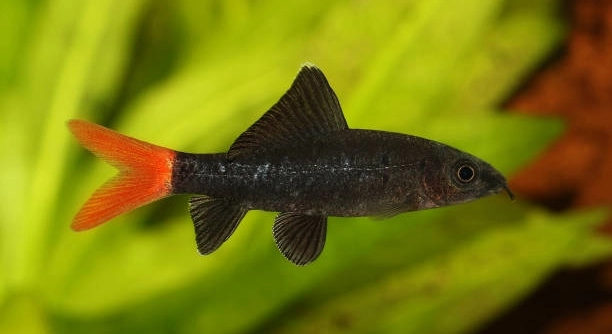
Many aquarium owners enjoy keeping rainbow sharks for their vibrant colors and active nature. These fish are usually hardy but can sometimes show unusual behavior that may concern their caretakers. Observing and understanding these changes early helps maintain a healthy tank environment.
If your rainbow shark is acting strange, it is important to check water quality, diet, tank mates, and stress levels. Changes in behavior often indicate environmental or health issues that need prompt attention to prevent further complications.
Knowing what signs to look for and how to respond can make a big difference in your fish’s well-being. This article will guide you through key steps to help your rainbow shark feel comfortable again.
Check the Water Quality
Water quality plays a major role in your rainbow shark’s behavior. Poor water conditions can stress the fish and cause strange movements or hiding. Test the water regularly for ammonia, nitrite, nitrate, and pH levels. These chemicals need to stay within safe limits to keep your fish healthy. If the levels are off, do a partial water change to improve the conditions. Keep the tank clean by removing uneaten food and waste. Also, make sure the water temperature stays consistent, as sudden changes can upset your fish. Proper filtration is essential to maintain clean water. If your filtration system is not working well, your rainbow shark may act differently because of the buildup of harmful substances. By keeping water quality high, you can prevent many common problems and help your fish stay active and calm.
A clean and stable environment supports your rainbow shark’s health and behavior.
Knowing how to maintain water quality will keep your tank balanced and your fish comfortable.
Observe Tank Mates
Aggression or stress from other fish can make your rainbow shark behave oddly. Some tank mates may chase or bully it, especially if the tank is crowded or the space is limited. Rainbow sharks are territorial, so they need enough room to claim their area. If your fish is hiding or showing signs of stress, it could be due to conflicts with others. Avoid keeping too many similar species or aggressive fish in the same tank. Introduce new fish slowly and watch for any signs of fighting or stress. If problems continue, you might need to separate your rainbow shark or rearrange the tank decorations to give it more hiding spots. Providing a calm and peaceful environment helps reduce stress and improve your fish’s behavior.
Monitor Feeding Habits
Changes in eating patterns can signal that your rainbow shark is unwell. A sudden loss of appetite or overeating may indicate stress or illness. Keep an eye on how much your fish eats during feeding times. Avoid overfeeding, which can pollute the tank and harm your fish’s health.
If your rainbow shark refuses food, check water quality and tank conditions first. Illness or parasites might also cause a lack of appetite. Sometimes stress from aggressive tank mates can reduce feeding. Try offering a variety of foods like sinking pellets, vegetables, or live foods to encourage eating. Feeding smaller portions more frequently may help your fish adjust and regain appetite. If poor feeding continues, consider consulting a vet or experienced aquarist for advice.
A healthy diet is key to your fish’s energy and overall well-being. Consistent feeding habits help detect issues early.
Look for Physical Signs
Physical changes often accompany strange behavior in rainbow sharks. Look closely for signs such as faded colors, torn fins, white spots, or unusual lumps. These can indicate infections, parasites, or injuries. Early detection helps you treat problems before they worsen.
Maintaining good water quality and proper nutrition can prevent many health issues. If you notice any physical changes, isolate the fish to avoid spreading diseases. Use appropriate treatments based on symptoms, such as antifungal or antiparasitic medication. Regular observation and care make it easier to keep your rainbow shark healthy and active.
Provide Hiding Spots
Rainbow sharks need places to hide and feel safe in their tank. Adding caves, plants, or decorations gives them shelter and reduces stress. Without enough hiding spots, they may become restless or aggressive.
Hiding places also help them rest and recover when feeling unwell. A well-decorated tank supports their natural behavior and keeps them calm.
Maintain Proper Tank Size
A tank that is too small can cause stress and erratic behavior in rainbow sharks. They require at least 30 gallons to swim freely and establish territory. Overcrowding increases aggression and weakens their immune system.
Providing enough space helps your fish stay healthy and display normal behavior.
Avoid Sudden Changes
Rainbow sharks are sensitive to sudden changes in their environment. Abrupt shifts in temperature, lighting, or water conditions can make them act strangely. Gradual adjustments help them adapt without stress.
Keeping a stable tank routine supports their well-being and prevents behavioral problems.
FAQ
Why is my rainbow shark hiding all the time?
Rainbow sharks often hide when they feel stressed or threatened. This can happen if the tank is too small, water quality is poor, or tank mates are aggressive. Providing plenty of hiding spots and ensuring a peaceful environment helps them feel secure and less likely to hide constantly.
Can a rainbow shark stop eating because of illness?
Yes, illness is a common reason for loss of appetite. Parasites, bacterial infections, or poor water conditions can make your fish stop eating. Monitoring water quality and looking for physical signs of sickness are important. If the problem persists, treatment or veterinary advice may be necessary.
How often should I test my aquarium water?
Testing water at least once a week is recommended, especially for ammonia, nitrite, nitrate, and pH levels. Regular checks help catch problems early before they affect your fish. Keep records to notice trends and maintain a stable environment.
What are common signs of disease in rainbow sharks?
Look for faded colors, torn or clamped fins, white spots, redness, or unusual lumps. Changes in swimming patterns and loss of appetite are also signs. Early detection helps prevent spread and improves chances of successful treatment.
Is it okay to keep rainbow sharks with other fish?
Rainbow sharks can be territorial and may show aggression toward other fish, especially similar species. Avoid overcrowding and choose peaceful, fast-swimming tank mates. Providing enough space and hiding places reduces conflicts.
How much should I feed my rainbow shark?
Feed small amounts once or twice daily, only what they can eat in a few minutes. Overfeeding pollutes the water and can cause health issues. Offering a varied diet of pellets, vegetables, and occasional live food keeps them healthy.
Why does my rainbow shark chase other fish?
Chasing is often territorial behavior, especially in confined spaces. Rainbow sharks establish dominance in the tank, which can lead to stress for other fish. Increasing tank size and adding decorations to break sight lines can help reduce chasing.
Can water temperature changes affect my rainbow shark’s behavior?
Yes, sudden or extreme changes in water temperature can stress your fish. Rainbow sharks prefer stable temperatures around 74-80°F (23-27°C). Use a reliable heater and thermometer to maintain consistent warmth.
How long do rainbow sharks usually live?
With proper care, rainbow sharks can live 5 to 8 years in captivity. Good water quality, proper diet, and a stress-free environment contribute to their lifespan.
What should I do if my rainbow shark has fin rot?
Fin rot is caused by bacterial infection, often from poor water conditions. Improve water quality with regular changes, and consider using antibacterial treatments. Isolate the fish if needed to prevent spreading. Keep the tank clean to avoid recurrence.
Taking care of a rainbow shark means paying close attention to its behavior and environment. When your fish acts strangely, it is often a sign that something in the tank needs to be fixed or improved. Maintaining good water quality, providing enough space, and making sure your fish feels safe with hiding spots are basic but important steps. These help reduce stress and keep your rainbow shark healthy. Small changes can make a big difference in how your fish acts and thrives.
Feeding habits and interactions with other fish also affect your rainbow shark’s behavior. Overfeeding or poor diet can lead to health problems, while aggressive tank mates can cause stress. It is important to watch how your fish eats and swims with others. Adjusting the tank setup or feeding routine can help balance the tank environment. Regular monitoring and care can prevent many common issues before they become serious. Keeping things stable and clean supports your fish’s well-being.
Overall, understanding the needs of your rainbow shark is key to avoiding strange behavior. Regular testing of water, observing physical signs, and providing a proper habitat are part of good fish care. When problems arise, acting quickly can prevent long-term damage. Patience and attention to detail will help you create a healthy home for your rainbow shark. Taking these steps makes your fish happier and your aquarium a more enjoyable place.

Hello,
If you enjoy the content that we create, please consider saying a "Thank You!" by leaving a tip.
Every little bit helps us continue crafting quality advice that supports the health, happiness, and well-being of pets around the world, for pets of all shapes, sizes, and species.
We really appreciate the kindness and support that you show us!