
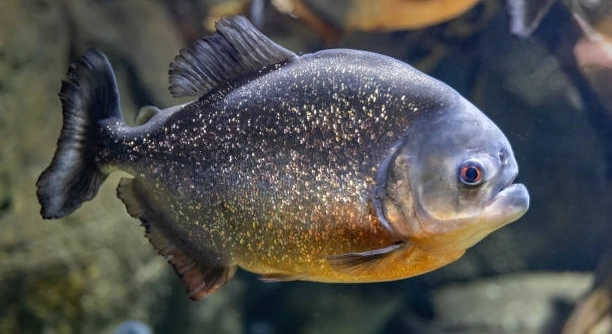
Having a piranha jump out of its tank can be surprising and stressful for any owner. It is important to act calmly and quickly to ensure both your safety and the well-being of the fish. Knowing what to do in such a situation helps prevent harm.
If your piranha jumps out, the first step is to safely and gently return it to the water. Avoid sudden movements to reduce stress on the fish, and check for any injuries or damage to its skin. Clean the area if needed.
Taking the right steps immediately can protect your piranha and keep your home safe. The following tips will guide you through handling this unexpected event with care and confidence.
Stay Calm and Assess the Situation
When your piranha jumps out, the most important thing is to stay calm. Panicking can lead to hurried actions that might harm you or the fish. Quickly but carefully pick up the piranha and place it back in the tank. Check if it has any visible injuries, such as torn fins or scratches. If the fish looks damaged, consider isolating it in a quarantine tank to monitor its condition. Also, make sure the area where it landed is clean and safe to avoid any contamination or hazards. After returning the fish, check your tank’s water quality to ensure it hasn’t been affected by the incident.
Staying calm helps you handle the situation without making things worse. Your careful assessment will improve the piranha’s chance of a quick recovery.
Handling a jumping piranha requires steady hands and attention. Observe the fish closely over the next few hours to catch any signs of stress or injury. A healthy environment and gentle care can help your piranha feel safe again.
Prevent Future Jumps
Piranhas may jump because of stress, water quality, or sudden noises. Reducing these triggers can help prevent future jumps.
Maintaining a stable and comfortable tank environment is essential. Check the water temperature, pH levels, and cleanliness regularly. Keep the tank covered with a secure lid to stop the fish from jumping out. Avoid sudden loud noises or quick movements around the tank, which may startle your piranha. Providing enough hiding places inside the tank, like plants or decorations, helps the fish feel secure. Also, avoid overcrowding the tank, as this can increase stress and cause unusual behavior like jumping. Monitoring your piranha’s health and behavior daily can alert you to problems before they lead to jumps. By addressing these factors, you create a safer and calmer space for your fish to thrive.
Handle Injuries Carefully
If your piranha has injuries from the jump, act quickly but gently. Avoid touching open wounds with your hands, as this may cause infection.
Minor injuries like small cuts or torn fins can often heal on their own if the tank water is clean. Adding aquarium salt may help reduce infection risk and support healing. If injuries look severe or the fish is acting lethargic, consult a vet or aquatic specialist. Keeping the water clean and stable is critical to prevent further stress and complications. Monitor the fish closely for signs of infection like redness or swelling, and separate it if needed to avoid spreading disease.
Patience and careful observation during recovery improve the piranha’s chances of returning to full health. Avoid sudden tank changes or stress during this time to support healing.
Check Water Quality Immediately
Poor water quality is a common cause of jumping behavior in piranhas. Test the water for ammonia, nitrites, nitrates, pH, and temperature as soon as possible.
Maintaining optimal water conditions keeps your piranha comfortable and less likely to jump again. High ammonia or nitrite levels are toxic and can irritate the fish’s skin and gills, prompting escape attempts. Stable pH and temperature within the species’ preferred range reduce stress and promote healthy behavior. Regular partial water changes and proper filtration help maintain these conditions. If water quality is poor, act immediately to correct it by adjusting filtration, changing water, or adding conditioners. Consistent monitoring prevents future problems and creates a safer environment for your piranha.
Secure the Tank Lid
A tight-fitting lid is essential to keep your piranha safely inside the tank. Make sure the cover fits well and has no gaps where the fish can slip through.
Check the lid regularly for damage or warping. Using a glass or acrylic cover with clips can improve security and prevent jumps.
Reduce Stress in the Environment
Stress is a major factor in why piranhas jump out. Minimize sudden changes around the tank like loud noises, bright lights, or too much activity. Keep a calm, stable environment to help your fish feel secure.
Provide plenty of hiding spots and plants inside the tank. These create a safe space where your piranha can retreat if it feels threatened. Avoid overcrowding the tank with too many fish or decorations, as this can increase stress. Feeding a balanced diet and keeping a consistent routine will also help your fish stay relaxed and less likely to jump.
Monitor Behavior Closely
Watch your piranha daily for unusual actions. Early signs of stress or illness can help prevent future jumps.
Why do piranhas jump out of the tank?
Piranhas may jump because they feel stressed or uncomfortable in their environment. Poor water quality, sudden noises, bright lights, or overcrowding can trigger this behavior. Sometimes, they jump to escape aggressive tank mates or because the water temperature or pH is not ideal. Providing a secure, calm space helps reduce these jumps.
How can I safely return my piranha to the tank?
Use wet hands or a soft, damp cloth to gently pick up the fish, avoiding any rough handling. Quickly place the piranha back in the water to minimize stress and prevent damage. Avoid squeezing or applying pressure, as this can injure the fish. Wash your hands afterward to prevent any contamination.
What should I do if my piranha is injured after jumping?
First, isolate the injured fish in a clean quarantine tank if possible. Use aquarium salt to help prevent infections and keep the water clean. Monitor the injury closely. If you notice worsening symptoms like redness, swelling, or unusual behavior, seek advice from an aquatic veterinarian.
Can water quality affect piranha jumping?
Yes, poor water quality is a common cause. High ammonia, nitrites, or nitrate levels irritate the fish’s skin and gills, causing discomfort. This can lead to attempts to escape the tank. Regular water testing and maintenance are essential to keep water safe and comfortable.
How often should I check my tank’s water quality?
Testing water at least once a week is recommended. Frequent checks help catch issues early before they stress your piranha. Key parameters to monitor include ammonia, nitrites, nitrates, pH, and temperature. Keeping these stable reduces stress and jumping incidents.
Is a tank lid necessary for piranhas?
Yes, a secure tank lid is very important. Piranhas are strong jumpers, and a tight-fitting cover prevents escape and injury. Glass or acrylic lids with clips are best. Make sure the lid has no gaps and is checked regularly for damage.
What tank size is best to reduce jumping?
Larger tanks give piranhas more room to swim and reduce stress. A minimum of 20 gallons per fish is often suggested. More space and hiding spots make the fish feel safer, lowering the chances of jumping.
Can tank mates cause my piranha to jump?
Aggressive or overly active tank mates can stress your piranha, causing it to jump. Piranhas do best with compatible species or alone. Watch for bullying or fighting and remove any aggressive fish to maintain peace.
What can I do to reduce stress for my piranha?
Keep a stable environment with consistent lighting, temperature, and water quality. Provide hiding places like plants and decorations. Avoid loud noises or sudden movements near the tank. Feeding on a regular schedule also helps keep your fish calm.
How long does it take for a piranha to recover after jumping?
Recovery time varies by the injury and stress level. Minor injuries may heal in a few days if the tank is clean. More serious wounds could take weeks and may require treatment. Watch your fish closely and keep its environment stable to support healing.
Should I use medication after my piranha jumps?
Medication is not always necessary. Only use treatments if you see signs of infection or illness. Consult a vet or aquatic expert before giving any medicine. Overuse of chemicals can harm your fish and tank balance.
What signs show my piranha is stressed?
Signs include jumping, hiding excessively, loss of appetite, rapid breathing, or clamped fins. These behaviors indicate discomfort. Identifying stress early helps prevent jumping and keeps your fish healthy.
How can I prevent future jumping incidents?
Maintain good water quality, use a secure lid, reduce stress, and provide a proper tank setup. Regular monitoring and care help keep your piranha comfortable and less likely to jump. Consistency is key to prevention.
When a piranha jumps out of its tank, it can be a worrying experience. Handling the situation calmly and carefully is the best approach. Returning the fish to the water quickly and gently helps reduce stress and injury. Checking the fish for any signs of harm is important to make sure it can recover well. Injuries might not always be visible at first, so watching the fish closely in the hours and days after the jump is necessary. A clean and safe environment supports healing and helps the piranha feel secure again.
Preventing future jumps is just as important as handling the immediate situation. Many factors can cause a piranha to jump, including stress, poor water quality, or an unsafe tank setup. Making sure the tank has a secure lid is one of the simplest ways to keep your fish inside. Regular testing and maintaining good water conditions help keep the fish healthy and calm. Creating a peaceful environment with proper hiding places and avoiding sudden loud noises can reduce stress and prevent jumping behavior. It is also important to keep an eye on your piranha’s behavior for signs of discomfort or illness.
Taking care of a piranha requires attention to both its physical and environmental needs. A happy and healthy fish is less likely to try escaping its tank. If your piranha does jump, acting quickly and thoughtfully can prevent serious problems. Monitoring water quality, tank safety, and your fish’s health will create the best living conditions possible. These simple steps will help ensure your piranha stays safe and comfortable, and you can enjoy watching it thrive in its home.

Hello,
If you enjoy the content that we create, please consider saying a "Thank You!" by leaving a tip.
Every little bit helps us continue crafting quality advice that supports the health, happiness, and well-being of pets around the world, for pets of all shapes, sizes, and species.
We really appreciate the kindness and support that you show us!