
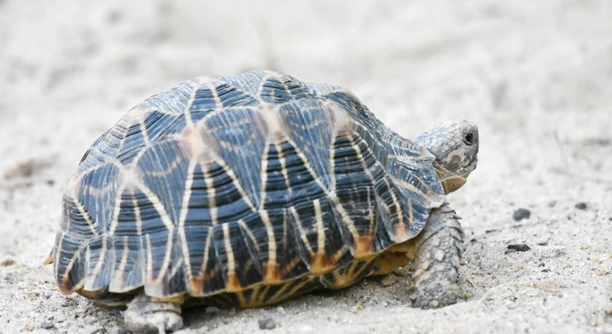
Is your Indian star tortoise losing weight, leaving you concerned about its health and well-being? Keeping a close eye on changes in weight is crucial, as it can signal underlying health issues that need immediate attention.
The most common reasons for weight loss in Indian star tortoises include inadequate diet, dehydration, stress, illness, or improper environmental conditions. Identifying the cause early and making the necessary adjustments can help restore your tortoise’s health and prevent further complications.
Understanding the possible reasons behind the weight loss and knowing the right steps to take will ensure your tortoise stays healthy and active.
Check for Dehydration
Dehydration can lead to weight loss in Indian star tortoises. If your tortoise is not drinking enough water or living in a dry environment, it may lose weight quickly. Signs of dehydration include sunken eyes, dry skin, and reduced activity levels. A lack of proper humidity can also contribute to the problem. Ensure your tortoise has constant access to clean water and a shallow dish for soaking. Mist the enclosure regularly to maintain adequate humidity levels. Providing fresh, hydrating foods such as cucumbers and leafy greens can also help prevent dehydration.
A simple way to check for dehydration is by gently pinching the skin on your tortoise’s leg. If it takes longer than usual to return to its normal position, your tortoise may be dehydrated.
Increasing water intake and adjusting humidity levels can help your tortoise regain hydration. Making these changes can prevent further weight loss and improve overall health.
Adjust the Diet
A poor diet can cause a tortoise to lose weight. If your tortoise is not getting the right balance of nutrients, it may become weak and unhealthy.
Indian star tortoises need a high-fiber diet consisting mainly of leafy greens, grasses, and vegetables. Avoid feeding too many fruits, as they can cause digestive issues. Providing calcium-rich foods such as dandelion greens and cactus pads helps support strong bones and overall health. Adding a calcium supplement with vitamin D3 ensures proper absorption. If your tortoise is refusing food, try offering a variety of greens to see which ones it prefers. Chop food into smaller pieces to make it easier to eat. Keeping a feeding schedule helps maintain consistency and encourages regular eating habits.
Monitoring food intake and making dietary adjustments can help your tortoise regain weight. A healthy diet plays a vital role in keeping your tortoise strong and active.
Ensure Proper Heating and Lighting
Indian star tortoises need the right temperature and lighting to stay healthy. If the enclosure is too cold or lacks UVB lighting, digestion and metabolism slow down, leading to weight loss. Keeping the habitat warm and well-lit helps maintain normal body functions.
The basking area should be between 90-95°F, while the cooler side should stay around 75-85°F. A UVB light is necessary for proper calcium absorption and overall health. Without it, your tortoise may develop metabolic bone disease, affecting its ability to eat and move. Ensure the light is replaced every six months for consistent UVB exposure. Keeping a temperature gradient within the enclosure allows your tortoise to regulate its body temperature naturally.
Check temperatures regularly with a thermometer and adjust heating as needed. If your tortoise is sluggish or losing appetite, inadequate warmth or lighting could be the cause. Providing a stable environment prevents stress and supports weight gain.
Monitor for Parasites
Parasites can cause weight loss by interfering with digestion. If your tortoise is eating normally but still losing weight, an internal parasite infection may be the reason. Other symptoms include diarrhea, lethargy, and a bloated appearance. A stool sample test can confirm the presence of parasites.
Veterinarians can prescribe medications to remove parasites safely. Regular check-ups help detect infections before they become serious. Cleaning the enclosure frequently reduces the risk of parasite infestations. Avoid feeding your tortoise wild plants, as they may contain harmful organisms. Keeping food and water dishes clean also prevents contamination. If your tortoise shares space with others, quarantine new arrivals before introducing them to the enclosure.
Treating parasites early helps restore normal digestion and weight. Once the infection clears, your tortoise should start gaining weight again. Maintaining a clean environment and scheduling regular vet visits can prevent future issues.
Reduce Stress Levels
A stressful environment can lead to weight loss. Loud noises, frequent handling, or changes in the habitat can cause anxiety. Ensure the enclosure is in a quiet area with minimal disturbances. Providing hiding spots helps your tortoise feel secure and reduces stress.
Other tortoises may cause stress if they compete for food or space. If bullying occurs, separate them into different enclosures. Keeping a consistent routine with feeding and lighting schedules helps create a stable environment. A relaxed tortoise is more likely to eat well and maintain a healthy weight.
Treat Underlying Illness
Respiratory infections, organ issues, and other illnesses can cause weight loss. Symptoms like wheezing, runny nose, or lack of movement may indicate sickness. A vet can diagnose the problem and recommend the right treatment. Catching health issues early increases the chances of recovery and helps prevent further weight loss.
Encourage Regular Eating
Offering food at the same time every day helps build a routine. If your tortoise refuses to eat, try different leafy greens or mix in favorites. Slightly warming food or moistening it can make it more appealing. A steady feeding schedule encourages better eating habits and promotes weight gain.
FAQ
Why is my Indian star tortoise losing weight despite eating?
If your tortoise is eating but still losing weight, there could be several reasons. Parasites are a common issue, and they can interfere with digestion. Stress, inadequate heating or lighting, or poor diet could also be factors. It’s important to observe any other symptoms, such as lethargy or changes in behavior, which can point to underlying problems like illness or improper care. A visit to the vet for a health check-up can help determine the cause.
How can I tell if my Indian star tortoise is dehydrated?
Dehydration is a major concern for tortoises, especially if they aren’t drinking enough water or living in a dry environment. Check for signs such as sunken eyes, dry skin, and reduced activity. You can also gently pinch the skin; if it doesn’t return to its normal position right away, your tortoise may be dehydrated. Offering water and hydrating foods like cucumber, along with adjusting humidity levels, can help prevent dehydration.
How often should I feed my Indian star tortoise?
A healthy adult Indian star tortoise should be fed every other day, while younger tortoises may require daily feeding. Offer a variety of leafy greens, vegetables, and grasses. Avoid overfeeding fruits, as they can cause digestive issues. A consistent feeding schedule helps your tortoise maintain a healthy weight and digestion. Keep food fresh and clean, and ensure they have access to clean water at all times.
What temperature should I keep my tortoise’s enclosure?
The enclosure should have a temperature gradient. The basking area should range from 90-95°F, while the cooler side should be around 75-85°F. It’s essential for digestion, metabolism, and overall health. Using a thermometer will help you monitor the temperature correctly. If your tortoise is losing weight, inadequate heating could be one of the causes, as it can affect appetite and energy levels.
Can stress cause weight loss in my tortoise?
Yes, stress can cause weight loss in tortoises. Changes in their environment, loud noises, handling too often, or aggression from other tortoises can increase stress levels. To reduce stress, provide a quiet, stable environment with enough space and hiding spots. Avoid handling your tortoise unless necessary, and ensure they are not overcrowded. A less stressed tortoise will be more likely to eat and gain weight.
What kind of diet is best for my Indian star tortoise?
A healthy diet for your Indian star tortoise should be high in fiber, including leafy greens like dandelion greens, collard greens, and mustard greens. Grasses and flowers are also good options. Avoid feeding high-calcium vegetables and fruits too often, as they may upset the balance in the tortoise’s digestive system. A variety of foods ensures they get the nutrients they need to stay healthy. Supplementing their diet with a calcium and vitamin D3 powder can help avoid bone problems.
How can I tell if my tortoise is sick?
Signs of illness in Indian star tortoises include lethargy, reduced appetite, difficulty breathing, runny nose, or abnormal shell appearance. If your tortoise is losing weight without a clear cause, it’s important to look for other symptoms. An examination by a vet is necessary to diagnose and treat the problem. Prompt attention to health issues can prevent further weight loss and long-term damage.
Can I give my tortoise fruits?
Fruits can be offered to your tortoise occasionally, but they should not make up the bulk of their diet. Too much fruit can cause digestive problems or diarrhea. Stick to low-sugar fruits like berries or apples, and only give them in small amounts. Make sure to always balance their diet with leafy greens and grasses for optimal health.
How do I know if my tortoise is getting enough calcium?
Calcium is essential for the growth and strength of your tortoise’s shell and bones. Signs of calcium deficiency include soft or deformed shells, weakness, and lethargy. To ensure they are getting enough calcium, feed calcium-rich foods like dandelion greens and supplement with a calcium powder that includes vitamin D3, which helps with absorption. Regular exposure to UVB light also aids in calcium metabolism.
What should I do if my tortoise refuses to eat?
If your tortoise is refusing to eat, first check if the enclosure conditions are appropriate. Make sure the temperature, humidity, and lighting are correct. Offer a variety of fresh foods and try slightly warming the food to make it more appealing. If the refusal to eat continues for more than a few days, consult a vet to rule out illness or other underlying issues.
Final Thoughts
It’s important to stay observant when your Indian star tortoise starts losing weight. A decrease in weight can be a sign of underlying health issues, and catching these problems early can help prevent serious complications. Dehydration, poor diet, stress, and inadequate environmental conditions are some of the most common causes of weight loss. By addressing these issues, you can help your tortoise regain its health and maintain a balanced weight. The key is to monitor your tortoise regularly, making sure its environment, food, and care routines are in line with what is best for its species.
Proper hydration, diet, and living conditions are the foundation of a healthy tortoise. Always ensure your tortoise has access to clean water and hydrating food like cucumbers and leafy greens. Regularly check the temperature and lighting in the enclosure to make sure they match the ideal conditions. If your tortoise’s diet isn’t varied enough or is missing essential nutrients, such as calcium, adjust it accordingly. It’s also crucial to reduce stress levels by providing a quiet and stable environment. Frequent handling or any change in the habitat can cause unnecessary stress, which may affect your tortoise’s appetite and overall well-being.
If your tortoise continues to lose weight despite your efforts, seeking professional help is the next step. A visit to the vet will help rule out parasites, illness, or other medical conditions that may be causing the weight loss. With proper care, a healthy diet, and the right environmental conditions, your tortoise can live a long, happy life. By paying attention to the signs and taking action early, you’re helping your Indian star tortoise stay healthy and thrive.

Hello,
If you enjoy the content that we create, please consider saying a "Thank You!" by leaving a tip.
Every little bit helps us continue crafting quality advice that supports the health, happiness, and well-being of pets around the world, for pets of all shapes, sizes, and species.
We really appreciate the kindness and support that you show us!