
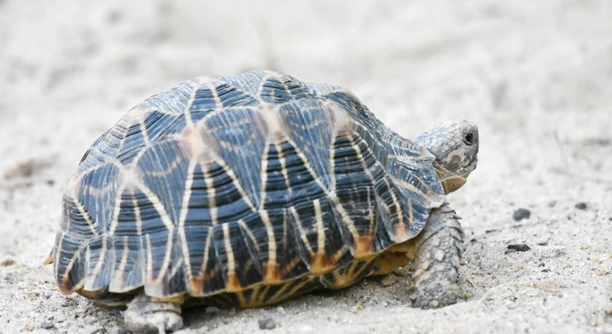
If your Indian star tortoise starts hiding too much, it might be a sign that something’s off. Tortoises naturally spend a lot of time in their hiding spots, but excessive hiding can indicate stress or health issues.
Indian star tortoises often hide for various reasons such as stress, illness, or inadequate living conditions. Addressing these issues requires ensuring their habitat is suitable, their diet is balanced, and they are not exposed to any unnecessary stressors.
By understanding the reasons behind your tortoise’s hiding behavior, you can take the necessary steps to improve its environment and overall well-being. Keep reading to find out how to help your tortoise feel safe and happy again.
1. Check the Temperature and Humidity
One of the first things to check when your Indian star tortoise starts hiding too much is the temperature and humidity levels in their habitat. These creatures thrive in specific conditions. If the temperature is too low or too high, your tortoise may retreat to a hiding spot to avoid discomfort. Similarly, improper humidity can lead to dehydration, making them feel vulnerable and stressed. Ensure the basking spot is around 90°F (32°C) and the cooler end of the tank stays between 75°F (24°C) and 80°F (27°C). Humidity should be around 50-60%. Use a thermometer and hygrometer to keep track of these levels.
Proper temperature and humidity play a critical role in a tortoise’s overall health. Make sure to adjust the conditions promptly, as it can reduce hiding behaviors.
If the environment is ideal but your tortoise continues to hide, it may be a sign that something else is going on. Stress factors, like loud noises or a change in surroundings, can have a similar effect. Ensure the area around your tortoise’s tank is quiet and undisturbed. Try to minimize any drastic changes in their living space. Avoid introducing new pets or objects too quickly, as sudden alterations can increase anxiety. If you’ve recently moved your tortoise to a new home, give them time to settle into their surroundings. It can take a few weeks for them to feel comfortable and secure again.
2. Assess Diet and Nutrition
A poor diet can make your tortoise feel unwell, leading to more hiding behavior. If your tortoise isn’t getting the right food or the proper nutrients, it may seek refuge to avoid further discomfort. Make sure you are feeding them a variety of leafy greens, vegetables, and occasional fruits. A calcium supplement is essential for strong bones. Avoid offering foods that are high in phosphorus, as they can upset their calcium-to-phosphorus ratio. A balanced diet is crucial for your tortoise’s health and can help keep them active.
If you notice that your tortoise isn’t eating or seems lethargic, it could point to a dietary deficiency. Pay attention to their eating habits and offer fresh food regularly.
Make sure your tortoise’s diet is varied and nutritious. The right food ensures they have the energy they need to stay active and healthy. It also prevents health problems that could lead to hiding.
3. Inspect for Illness or Injury
Your tortoise may be hiding because it’s not feeling well. Look for signs of injury, swelling, or abnormal behavior. Any limping, discolored skin, or difficulty eating might suggest an underlying issue. Tortoises are good at hiding pain, so subtle changes should not be overlooked.
If you suspect illness, schedule a visit to a reptile vet as soon as possible. They can check for respiratory infections, parasites, or other health concerns that could cause your tortoise to retreat. Early diagnosis is key to preventing further issues.
Even if you can’t immediately identify a problem, it’s best to act fast. Delaying treatment might lead to more serious health problems that are harder to address later. Regular vet checkups are important to catch any potential issues early and keep your tortoise healthy. If you notice a sudden change in behavior, don’t wait to take action.
4. Examine the Habitat for Stress Factors
Stress can be a big factor in your tortoise’s hiding behavior. Make sure their enclosure is free of stress-inducing elements, such as noisy environments or other aggressive pets. Overcrowding can also cause anxiety, so give your tortoise enough space to move around.
Creating a calm and quiet environment can help your tortoise feel secure. A well-decorated, spacious habitat with hiding places, basking areas, and gentle lighting can help reduce stress. Avoid keeping them in high-traffic areas of your home where they can be disturbed.
Sometimes, it’s also about your tortoise’s need for privacy. If your tortoise feels constantly observed, it may retreat more often. Give your tortoise a safe space where it can relax and feel unthreatened. Reducing daily disturbances is essential for their well-being.
5. Consider the Lighting Setup
Improper lighting can lead to stress and excessive hiding in your tortoise. Make sure there is a proper UVB light source to mimic sunlight. This helps them absorb calcium and promotes overall health. Lack of UVB lighting can cause metabolic bone disease.
Adjust your lighting setup if necessary. UVB lights should be kept on for around 10-12 hours a day, providing adequate light for your tortoise’s natural cycle. Ensure the light is positioned to cover their basking area, creating a warm spot where your tortoise can absorb the benefits.
Make sure the lighting isn’t too harsh or too dim. Tortoises need to have a clear day-night cycle, and erratic lighting can lead to confusion, making them hide more often. Regularly check the bulbs to ensure they are providing the correct wavelength and intensity.
6. Evaluate Overcrowding or Tank Mates
Overcrowding in your tortoise’s enclosure can increase stress and encourage hiding. Ensure there’s enough space for your tortoise to move around freely. Having too many animals in one enclosure can create competition for food and space, causing discomfort.
If your tortoise shares its space with other animals, ensure they are compatible. Stress from aggression or territorial behavior can make your tortoise seek hiding spots to avoid conflict. If possible, separate any aggressive tank mates and give your tortoise a quieter environment to thrive in.
7. Keep an Eye on Seasonal Changes
Seasonal changes can impact your tortoise’s behavior. During cooler months, tortoises naturally slow down and may spend more time hiding. This is normal, but it’s important to monitor the temperature and humidity levels during these times to ensure your tortoise is comfortable.
If the colder weather affects their activity, provide extra warmth in their enclosure and continue to offer food. Keep track of their eating habits and behavior changes. While seasonal slowing is common, it should not result in continuous hiding or loss of appetite. Make sure they still receive adequate care and attention.
FAQ
Why is my Indian star tortoise hiding so much?
Excessive hiding can be a sign that something isn’t right. It could be due to stress, improper habitat conditions, illness, or even diet. Tortoises are naturally shy, but they also hide when they are feeling unwell, stressed, or uncomfortable. You should check the temperature, humidity, and lighting of their environment first, as these factors are crucial to their health. If these are fine, consider checking for any signs of injury or illness. Stress can also be caused by changes in their surroundings, overcrowding, or loud noises.
How can I tell if my tortoise is stressed?
Stress in a tortoise can show up in several ways. A stressed tortoise may hide more than usual, become less active, or stop eating. It could also show signs like biting or excessive pacing around its enclosure. In extreme cases, you may notice abnormal breathing, droopy eyes, or skin changes. Any of these symptoms should be addressed as soon as possible to avoid serious health issues. Reducing noise, providing a secure environment, and offering adequate space can help alleviate stress.
What should the ideal temperature be for my Indian star tortoise?
Your tortoise’s habitat should have a temperature range of 75°F to 85°F (24°C to 29°C) during the daytime, with a basking area of 90°F (32°C). This allows your tortoise to regulate its body temperature by moving between the warm and cooler parts of its enclosure. The nighttime temperature can drop to around 70°F (21°C). Use a reliable thermometer to ensure the environment is consistent and healthy. If the temperature is too cold or too hot, your tortoise will hide to avoid discomfort.
What type of light does my tortoise need?
UVB lighting is essential for an Indian star tortoise to absorb calcium and maintain healthy bones. Without adequate UVB light, they can develop metabolic bone disease. The UVB bulb should be on for about 10 to 12 hours a day to mimic natural sunlight. Ensure the light is placed over the basking spot so that your tortoise can absorb the UVB rays directly. The light should be replaced every 6 to 12 months, as it loses its effectiveness over time, even if it still seems to be working.
Is it normal for my tortoise to stop eating for a while?
Tortoises can go through phases where they eat less or stop eating altogether. This can happen due to environmental changes, stress, or during colder months when they naturally slow down. However, if your tortoise refuses food for an extended period or shows signs of weight loss or lethargy, it could be a sign of illness or poor habitat conditions. Make sure they are offered fresh, suitable food and their habitat conditions are optimal. If the problem persists, a visit to the vet might be necessary.
How can I keep my tortoise’s habitat clean?
Maintaining a clean habitat is vital to your tortoise’s health. Regularly clean the tank, remove uneaten food, and replace bedding when necessary. The substrate should be kept dry and free of waste. Spot clean daily by removing feces, and do a deep clean once a week, washing everything in the enclosure with reptile-safe cleaners. Always check for any signs of mold, pests, or foul odors, which can indicate that the habitat is too damp or dirty. A clean environment reduces the risk of infections and parasites.
Can I keep more than one tortoise in the same enclosure?
It is possible to keep more than one tortoise in the same space, but it requires careful consideration. Indian star tortoises are generally solitary creatures and can become stressed or territorial when housed together. Overcrowding can lead to competition for food and space, causing anxiety and hiding behavior. If you do decide to house multiple tortoises together, make sure the enclosure is large enough to allow them to have their own space. Watch for any signs of aggression or stress and separate them if necessary.
What kind of food should I give my tortoise?
An Indian star tortoise’s diet should consist mainly of leafy greens like kale, dandelion greens, and collard greens. Occasionally, you can offer a variety of vegetables like squash, carrots, and bell peppers. You can also provide a small amount of fruits, such as strawberries or melons, but these should be given in moderation. Always avoid feeding them high-phosphorus or processed foods. Calcium is essential, so consider supplementing their diet with a calcium powder once or twice a week. Fresh water should always be available.
How often should I take my tortoise outside?
Taking your tortoise outside can provide them with natural sunlight, which is essential for their health. If possible, let them explore a safe, enclosed outdoor area for short periods, especially on sunny days. This gives them an opportunity to bask and get natural UVB light, which is important for calcium absorption. However, be mindful of the temperature, as your tortoise can get too hot or too cold outside. Never leave them unsupervised, as they could wander off or get injured. Aim for a few short outdoor sessions each week, depending on weather conditions.
When should I see a vet for my tortoise?
If your tortoise is hiding excessively, has stopped eating, is losing weight, or shows any signs of injury or illness (such as swelling, abnormal eyes, or difficulty moving), it’s time to see a vet. A reptile vet can diagnose any underlying issues, including infections or metabolic diseases. Regular checkups are also a good idea to ensure your tortoise remains healthy, even if there are no obvious signs of illness.
Final Thoughts
If your Indian star tortoise is hiding too much, it’s important to take a careful look at its environment and health. While hiding can sometimes be normal, especially during cooler months or after a change in their surroundings, it can also be a sign that something is wrong. Whether it’s stress, a health issue, or improper habitat conditions, understanding the root cause is essential to helping your tortoise feel comfortable and safe again. Make sure to regularly check their habitat, ensuring that temperature, humidity, and lighting are appropriate. A well-maintained environment is key to their overall well-being.
You should also consider their diet, as nutrition plays a major role in their health. An unbalanced diet can lead to weakness or illness, which could cause them to retreat to hiding. Offering fresh, varied foods that meet their nutritional needs is a simple but effective way to support your tortoise’s health. Don’t forget about the importance of calcium, as a deficiency in this vital nutrient can cause severe health problems. If your tortoise is not eating, or seems unusually lethargic, it may be time to re-evaluate their diet or consult a vet.
Lastly, while it’s essential to check for illnesses or injuries, don’t overlook the impact of stress. Overcrowding, loud environments, or incompatible tank mates can all contribute to your tortoise’s hiding behavior. Creating a calm, quiet space for them to live in is crucial for their emotional and physical health. If you notice any signs of illness or if changes in behavior persist despite adjusting their environment, seeking professional help from a reptile vet is always a wise choice. With the right care and attention, your tortoise can thrive and remain a happy, healthy companion.

Hello,
If you enjoy the content that we create, please consider saying a "Thank You!" by leaving a tip.
Every little bit helps us continue crafting quality advice that supports the health, happiness, and well-being of pets around the world, for pets of all shapes, sizes, and species.
We really appreciate the kindness and support that you show us!